Nootropics Header

Nootropics: The Ultimate List of Top 50 Smart Drugs

Manzoor Khan - Professional Pharmacist

Written By Manzoor Khan

Professional Pharmacist (Pharm-D)
A decade of experience in medical & supplement writing
Expert-Reviewed Content
Facts Checked By
Sajid Ali
Pharm-D, MPhil and PhD in Pharmacognosy

Published: September 2021 I Last Updated: December 2025

✓ Pharmacist-Reviewed Content | A Decade Of Experience

In my 9+ years as a practicing pharmacist, I’ve witnessed the remarkable evolution of cognitive enhancement from experimental compounds to scientifically-backed supplements that millions trust daily. Nootropics—often called “smart drugs” or cognitive enhancers—represent one of the most exciting frontiers in brain optimization, offering evidence-based solutions for enhanced memory, laser-sharp focus, and peak mental performance.

What sets nootropics apart: Unlike traditional stimulants that provide temporary energy spikes, quality nootropics work synergistically with your brain’s natural chemistry to enhance cognitive function while supporting long-term neurological health—a distinction that’s crucial for sustainable mental performance.
$35.03B
Expected Global Market Value by 2030
14.6%
Compound Annual Growth Rate (CAGR)
1970s
First Coined by Dr. Corneliu Giurgea

The term “nootropic” was coined by Romanian chemist Dr. Corneliu Giurgea in 1972, who established five fundamental criteria that distinguish true nootropics from mere stimulants: they must enhance learning and memory, improve cognitive function under stress, protect neurons from damage, facilitate information transfer between brain hemispheres, and exhibit minimal side effects with low toxicity as documented in peer-reviewed research.

From my professional perspective, today’s nootropic landscape encompasses a sophisticated spectrum of compounds—from time-tested natural extracts like Bacopa Monnieri and Lion’s Mane mushroom to cutting-edge synthetic compounds such as racetams and modafinil analogs. Each category operates through distinct mechanisms: some enhance neurotransmitter production, others improve blood flow to the brain, while certain compounds directly support neuroplasticity and cellular repair processes [Clinical Evidence Review].

What makes this field particularly compelling is the convergence of ancient wisdom and modern science. Traditional cognitive enhancers used for centuries in Ayurvedic and Traditional Chinese Medicine are now being validated through rigorous clinical trials, while pharmaceutical researchers continue developing novel compounds with unprecedented precision in targeting specific cognitive functions.

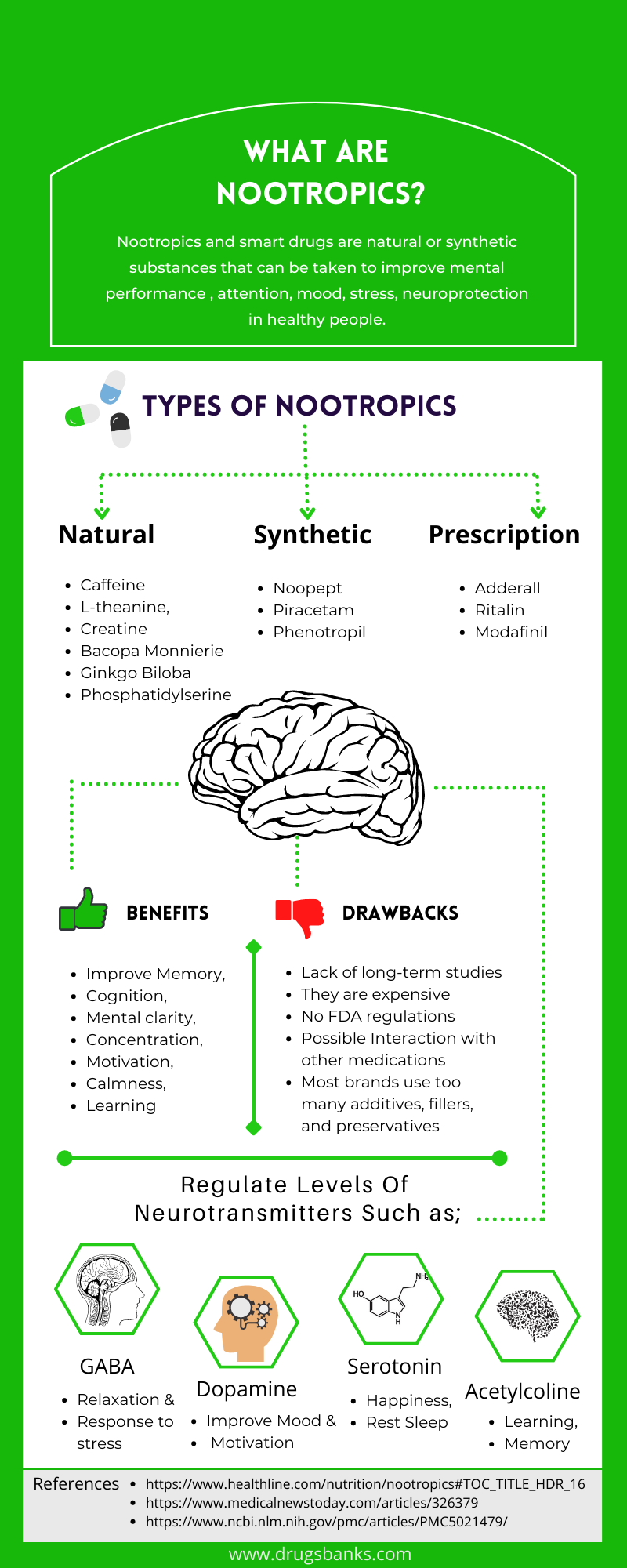
Nootropics Infographics

How Do Nootropics Work?

The fascinating world of nootropics operates through multiple pathways in our brain, creating a symphony of cognitive enhancement. While scientists are still unraveling their complete mechanisms, research has revealed several key ways these remarkable compounds boost brain performance.

At their core, nootropics enhance brain function by optimizing cerebral blood flow, delivering vital oxygen and nutrients to power your cognitive processes. This improved circulation creates an environment where your brain can perform at its peak potential.

Take caffeine, for instance – a familiar nootropic that works by activating noradrenaline neurons and influencing dopamine release [2]. This precise mechanism explains why we feel alert without jitters. Other nootropics take different approaches, enhancing memory and learning through multiple pathways, including acetylcholine regulation, calcium channel modulation, and antioxidant enhancement [3].

Many nootropics work by fine-tuning your brain’s neurotransmitter systems. They can either boost the release of crucial neurotransmitters like dopamine and norepinephrine or prevent their reuptake, maintaining optimal levels in nerve terminals. Dopamine, often called the “feel-good” neurotransmitter, plays a vital role in mood, motivation, and cognitive function.

Understanding that your brain consumes about 20% of your body’s energy, certain nootropics specifically target cellular energy production. They enhance mitochondrial function, optimize fatty acid transport, and improve oxygen utilization, ensuring your brain has the fuel it needs for peak performance.

Perhaps most remarkably, some nootropics support neuroregeneration by stimulating the production of nerve growth factor (NGF), providing essential building blocks like choline, and maintaining neural plasticity. They also promote healthy cerebral circulation through nitric oxide activation and blood vessel relaxation, while protecting against oxidative stress and harmful homocysteine buildup. For a deeper dive into these mechanisms, explore our detailed guide on the top 5 ways nootropics enhance cognition.

Let’s explore some of the common brain-boosting ingredients found in leading nootropic brands…

Non-Prescription Natural Nootropics Supplements

Natural nootropics, also known as nonprescription nootropics, can improve your cognitive function and brain performance while maintaining a favorable safety profile. Here’s a comprehensive list of commonly used nootropics categorized by type.

Natural Herbal Nootropics

Bacopa Monnieri
Ginkgo Biloba
Panax Ginseng
Rhodiola Rosea
Lion’s Mane Mushrooms
Maritime Bark Extract
Ashwagandha
Artichoke Extract
Gotu Kola
Guarana
Kanna
Kratom
Lemon Balm
Magnolia
Passionflower
Oatstraw
Rosemary
California Poppy
Cat’s Claw
Clitoria ternatea

Compounds and Nutrients

Caffeine
Omega 3 Fatty Acid
Nicotine
Citicoline
Phosphatidylserine
Apoaequorin
Cera Q
DMAE
Huperzine A
Inositol
Vitamin E
Alpha GPC
Theobromine
Forkolin
MCT oil
Vitamin B6
Resveratrol
CBD (Cannabidiol)

Amino Acids

L-Theanine
Creatine
L-tyrosine
5HTP
Acetyl-L-carnitine

Synthetic Nootropics

Racetam
Noopept
Vinpocetine
Prescription Nootropics: The following require a doctor’s prescription and should only be used under medical supervision:
Methylphenidate (Ritalin)
Adderall (dextroamphetamine)
Modafinil (Provigil)
Memantine (Axura)

Detailed Guide to Natural Nootropics

1. Bacopa monnieri

Bacopa monnieri is a herb used in Ayurvedic medicine to enhance brain function with the help of active compounds called bacosides. It can speed up information processing in your brain, reduce reaction times, improve memory functions, and relieve anxiety with its calming effects.

Research Findings:

  • Many recent studies have shown to improve cognitive function, reduce reaction time, and increase memory retention.
  • Other animal studies suggest that taking this ingredient can help improve conceptual learning and the ability to retain information. Read study
  • According to another human study, supplementing 300mg of bacopa for three months can significantly improve visual information processing, learning rate, and memory. Read study

Recommended Dosage:

The recommended dietary intake is 300 mg 3 times daily or 600mg 2 times throughout your daily routine. Read study

Please remember it can take up to 6 months for users’ brains to adapt fully, so don’t expect immediate results from taking bacopa at low doses.

2. Caffeine

Caffeine is a naturally occurring and one of the most widely consumed psychoactive stimulants humans have consumed for centuries. It provides a healthy dose of alertness and attention, improving focus and decreasing reaction time.

Research Findings:

  • Caffeine suppresses adenosine receptors in your brain, which causes you to feel less tired, increases your alertness and attention span, and helps release dopamine. Read study
  • It supports task performance, improves reaction time, and delays cognitive decline in healthy individuals. Read study
  • At low doses, caffeine can reduce anxiety, while at high doses, it can induce anxiety and cause nervousness. Read study

Recommended Dosage:

The usual recommended intake of caffeine is 40–300 mg for alertness, improving focus, and decreasing reaction time. Read study

Caffeine is an organic chemical compound with a wide variety of uses. It can make you more alert and improve your attention, making it useful for people who want to stay awake or feel more focused on the task at hand.

3. Ginkgo biloba

Ginkgo biloba is an ancient Asian tree used as a natural remedy for improving brain function. It is one of the most commonly studied herbs, with potential benefits for memory and mental processing.

Research Findings:

  • Taking 200mg of Ginkgo daily for five months may improve the symptoms of dementia. Read study
  • Other studies suggest that this herbal extract can improve memory and mental processing in healthy older adults. Read study

Recommended Dosage:

The usual recommended intake of Ginkgo for cognitive enhancement is 120-240mg daily at least 1-4 hours before performance. Read study

Popular Brands:

4. Panax Ginseng

Ginseng is a plant used for many years to strengthen the immune system and help fight off stress. Panax ginseng, in particular, has been shown to improve brain function, reduce fatigue, and enhance mental performance.

Research Findings:

  • A study of 52 healthy individuals revealed that taking 1 gram of Panax ginseng daily for eight weeks remarkably increased the volume of a brain region crucial to memory and improved scores on executive function and attention-related tasks. Read study
  • Other studies suggest that taking 200-400mg of this herbal extract can help reduce brain fatigue and improve performance on complex tasks like mental math problems. Read study

Recommended Dosage:

The usual recommended intake of Panax ginseng for cognitive enhancement is 200-400mg daily. For reducing brain fatigue, 40-120mg 3 times a day is sufficient.

While Panax ginseng shows promise in improving brain function, more research is needed to fully understand its mechanisms and long-term effects.

5. Omega-3 Fatty Acids

Omega-3 fatty acids are essential for brain health, as they help build membranes around neurons to protect them from damage. They are also known to improve mood, memory, and overall cognitive function.

Research Findings:

  • Omega-3s, particularly EPA, appear to be effective against depression and anxiety. Read study
  • Studies suggest that Omega-3 fatty acids can protect against brain aging and are vital for brain and nervous system function. Read study
  • Omega-3 supplements may help prevent and treat depression, with EPA being more effective than DHA. Read study

Recommended Dosage:

The recommended daily intake of Omega-3 fatty acids varies, but a common dosage is 1,000-2,000mg of combined EPA and DHA.

Popular Brands:

6. Rhodiola Rosea

Rhodiola Rosea is a natural adaptogen that helps reduce stress and improve mental performance. It is rich in active ingredients like rosavin and salidroside, which contribute to its cognitive benefits.

Research Findings:

  • Rhodiola supplements improve mood and reduce feelings of burnout in anxious individuals. Read study
  • Studies suggest that Rhodiola can decrease mental fatigue and improve concentration during stressful periods. Read study

Recommended Dosage:

The usual recommended dosage of Rhodiola Rosea is 200-400mg daily, standardized to contain 3% rosavin and 1% salidroside.

While Rhodiola Rosea is generally safe, some users may experience side effects like dizziness, dry mouth, or sleep problems.

7. Nicotine

Despite its negative reputation, nicotine is a powerful nootropic that can improve attention, memory, and cognitive performance. However, it comes with the risk of addiction and side effects at high doses.

Research Findings:

  • Nicotine improves attention span, motor functions, and mental performance, especially in individuals with poor focus. Read study
  • Chewing nicotine gum has been shown to improve handwriting skills and cognitive performance. Read study

Recommended Dosage:

Nicotine should be used cautiously, with low doses (1-2mg) recommended for cognitive benefits. However, due to its addictive nature, it is not recommended for long-term use.

While nicotine has cognitive benefits, its addictive potential and side effects make it a controversial nootropic.

8. Citicoline

Citicoline is a natural brain supplement that supports cognitive function by increasing phosphatidylcholine synthesis and promoting neurotransmitter release. It is effective in treating stroke, traumatic brain injury, and cognitive decline.

Research Findings:

  • Citicoline helps improve mental alertness and cognitive function by increasing the production of key amino acids. Read study
  • It has been shown to improve memory and cognitive performance in individuals with depressive disorders. Read study

Recommended Dosage:

The usual recommended dose of Citicoline is 500-2000mg per day or 7-28mg/kg body weight.

Popular Brands:

9. Phosphatidylserine

Phosphatidylserine (PS) is a fatty substance found in brain cells that supports cognitive function, memory, and neuroplasticity. It is particularly effective in improving focus and reducing mental stress.

Research Findings:

  • PS supplementation has been shown to improve memory and cognitive function in older adults with mild cognitive impairment. Read study
  • It reduces cortisol levels, which can help alleviate brain fog, anxiety, and mood swings. Read study

Recommended Dosage:

The recommended daily intake of Phosphatidylserine is 100-300mg.

10. Apoaequorin

Apoaequorin is a calcium-binding protein derived from jellyfish that is promoted as a natural brain booster. While it is marketed for improving memory and cognitive function, research on its efficacy is limited.

Research Findings:

  • Some studies suggest that Apoaequorin may help maintain healthy calcium levels in brain cells, but its effectiveness as a brain booster is not well-supported by scientific evidence. Read study

Recommended Dosage:

The recommended dosage of Apoaequorin varies by product, but typical doses range from 10-40mg daily.

Popular Brands:

11. Lion’s Mane Mushroom

Lion’s Mane Mushroom is an ancient Chinese medicinal food known for boosting cognitive function and enhancing mental clarity. It contains compounds that stimulate the growth of brain cells, making it one of the most potent fungi for brain health.

Research Findings:

  • Lion’s Mane Mushroom may protect against cancer, diabetes, hypertension, fatty liver disease, and aging. Read study
  • It has been shown to improve memory functions and reduce anxiety and depression by decreasing inflammation. Read study
  • Animal studies suggest it can reduce anxiety and depression by promoting brain cell growth. Read study

While Lion’s Mane Mushroom shows promise, more human research is needed to confirm its benefits for cognitive health.

12. Maritime Pine Bark Extract

Maritime Pine Bark Extract, also known as Pycnogenol®, is a powerful antioxidant that supports heart health and combats free radicals. It is also beneficial for improving brain function and reducing symptoms of cognitive impairment.

Research Findings:

  • Pycnogenol® regulates oxidative stress levels and may improve brain function in individuals with cognitive impairment. Read study
  • It has been shown to reduce symptoms like confusion and memory loss. Read study

Recommended Dosage:

The usual recommended intake is 45-360mg daily for improving circulation and cognitive performance.

Maritime Pine Bark Extract is a natural remedy that can help boost brainpower and protect against neurodegenerative diseases like Alzheimer’s.

13. CERA-Q

CERA-Q is a novel ingredient derived from silk peptides that may help improve cognitive function by disrupting the formation of beta-amyloid plaques in the brain.

Research Findings:

  • CERA-Q has been shown to improve brain performance and verbal and visual memory. Read study
  • Additional research is needed to confirm its mechanisms and long-term benefits. Read study

Recommended Dosage:

The typical dosage is 400-600mg daily for cognitive enhancement.

While CERA-Q shows potential, more clinical trials are needed to validate its effectiveness.

14. Dimethylethanolamine Bitartrate (DMAE)

DMAE is a naturally occurring compound that may enhance memory, improve brain function, and support mood. It works by increasing acetylcholine production, which is essential for brain and muscle function.

Research Findings:

  • Animal studies suggest DMAE can improve memory and cognitive function. Read study
  • It may help with conditions like Alzheimer’s, depression, and ADHD, but research is limited.

DMAE is generally safe but may cause side effects like insomnia, muscle twitching, or skin irritation. Use with caution and consult a healthcare provider.

15. Huperzine A

Huperzine A is a natural compound derived from Chinese club moss. It is known for its potential to improve memory and cognitive function, particularly in individuals with Alzheimer’s disease.

Research Findings:

  • Huperzine A inhibits acetylcholine breakdown, which may improve memory and learning. Read study
  • It is being studied as a potential treatment for Alzheimer’s and other forms of dementia.

Recommended Dosage:

The typical dosage is 100-500mcg daily, depending on the condition being treated.

Huperzine A may cause side effects like nausea, dizziness, or insomnia. Consult a healthcare provider before use.

16. Inositol (Vitamin B8)

Inositol, also known as Vitamin B8, is a nutrient that supports brain health and may help reduce symptoms of anxiety, depression, and OCD.

Research Findings:

  • Inositol has been shown to reduce symptoms of depression and anxiety. Read study
  • It may also help with obsessive-compulsive disorder (OCD). Read study

Popular Brands:

17. Vitamin E

Vitamin E is a powerful antioxidant that protects brain cells from damage caused by free radicals. It may help improve memory and cognitive function, especially in older adults.

Research Findings:

  • Vitamin E may slow cognitive decline in aging populations. Read study
  • It is also being studied for its potential benefits in Alzheimer’s disease. Read study

Recommended Dosage:

The recommended daily intake is 1000mg for adults, but consult a healthcare provider before use.

18. Ashwagandha

Ashwagandha is a powerful adaptogen that helps reduce stress, improve sleep quality, and support brain health. It has been used in Ayurvedic medicine for centuries.

Research Findings:

  • Ashwagandha reduces stress and anxiety by regulating chemical signaling in the brain. Read study
  • It may also improve sleep quality and cognitive function. Read study

Popular Brands:

19. Alpha GPC

Alpha GPC is a natural choline compound that supports brain health by increasing acetylcholine levels. It is being studied for its potential to treat Alzheimer’s and other cognitive disorders.

Research Findings:

  • Alpha GPC may improve memory and cognitive function. Read study
  • It is commonly used in doses of 300-1200mg daily for cognitive enhancement.

Popular Brands:

20. Theobromine

Theobromine is a natural compound found in cocoa and chocolate. It acts as a mild stimulant and may improve focus, memory, and concentration.

Research Findings:

  • Theobromine may enhance mental performance and reduce oxidative stress. Read study
  • Combining Theobromine with other flavanols can further enhance cognitive benefits. Read study

Theobromine is a safe and natural way to boost brain function, but moderation is key due to its stimulant effects.

21. Artichoke Extract

Artichoke extract, derived from the leaves of the artichoke plant (Cynara scolymus), is gaining attention for its potential cognitive benefits. Research suggests it may enhance memory, protect against oxidative stress, and support overall brain health.

Research Findings:

  • Artichoke extract boosts cholinergic activity, potentially improving memory and learning. Read study
  • It exhibits antioxidant properties, protecting the brain from oxidative stress. Read study
  • It may inhibit acetylcholinesterase, increasing acetylcholine levels for better cognitive function. Read study
  • Anti-inflammatory effects may reduce neuroinflammation, supporting brain health. Read study

Artichoke extract offers a multifaceted approach to cognitive enhancement, with research supporting its benefits for memory, antioxidant defense, and neuroprotection.

22. Clitoria Ternatea

Clitoria ternatea, also known as Butterfly Pea, is a flowering plant with potential cognitive benefits. Research highlights its ability to enhance memory, reduce anxiety, and protect the brain from oxidative stress.

Research Findings:

  • It may improve memory by modulating acetylcholine activity. Read study
  • Antioxidant properties protect against oxidative stress and support neuroprotection. Read study
  • Anxiolytic effects promote a calm and focused mental state. Read study
  • Anti-inflammatory properties may mitigate neuroinflammation. Read study

Clitoria ternatea offers a natural way to enhance memory, reduce anxiety, and protect the brain from oxidative damage.

23. Forskolin

Forskolin, derived from the Indian Coleus plant, is known for its ability to increase cAMP levels in the brain, potentially enhancing memory, learning, and overall cognitive function.

Research Findings:

  • Increases cAMP levels, improving communication between neurons. Read study
  • Modulates neurotransmitters like acetylcholine for cognitive enhancement. Read study
  • Anti-inflammatory effects may reduce neuroinflammation. Read study
  • Promotes vasodilation, improving blood flow to the brain. Read study

Forskolin’s ability to boost cAMP levels and improve blood flow makes it a promising nootropic for cognitive enhancement.

24. Gotu Kola

Gotu Kola is an adaptogenic herb known for its ability to promote neurogenesis, reduce stress, and protect the brain from oxidative damage. It has been used in traditional medicine for centuries.

Research Findings:

  • Promotes neurogenesis, supporting learning and memory. Read study
  • Acts as an adaptogen, helping the body cope with stress. Read study
  • Exhibits antioxidant activity, protecting the brain from oxidative stress. Read study
  • Reduces anxiety, promoting a calm mental state. Read study

Gotu Kola offers a holistic approach to cognitive enhancement, with benefits for memory, stress reduction, and neuroprotection.

25. Guarana

Guarana, a natural stimulant derived from the Amazonian plant Paullinia cupana, is rich in caffeine and antioxidants. It enhances alertness, focus, and memory while protecting the brain from oxidative stress.

Research Findings:

  • High caffeine content boosts alertness and concentration. Read study
  • Antioxidant properties protect the brain from oxidative damage. Read study
  • May enhance memory and cognitive flexibility. Read study
  • Neuroprotective effects may safeguard against age-related cognitive decline. Read study

Guarana’s combination of caffeine and antioxidants makes it a powerful nootropic for enhancing focus and protecting brain health.

26. Kanna (Sceletium tortuosum)

Kanna is a South African herb known for its mood-enhancing and stress-reducing properties. It may improve cognitive flexibility and promote a calm mental state.

Research Findings:

  • Acts as a serotonin reuptake inhibitor, elevating mood. Read study
  • Reduces stress and anxiety, promoting mental clarity. Read study
  • May enhance cognitive flexibility and problem-solving. Read study
  • Anxiolytic effects support a relaxed mental state. Read study

Kanna’s ability to modulate serotonin and reduce stress makes it a unique nootropic for cognitive and emotional well-being.

27. Kratom

Kratom, derived from the Mitragyna speciosa tree, is known for its stimulating and mood-enhancing effects. It may improve focus and cognitive resilience, but caution is advised due to potential side effects.

Research Findings:

  • Mitragynine alkaloid may modulate neurotransmitters, enhancing mood and focus. Read study
  • Stimulating effects may improve alertness and concentration. Read study
  • Adaptogenic properties may help manage stress. Read study

While Kratom shows potential for cognitive enhancement, its use should be approached with caution due to possible side effects and addiction risks.

28. Lemon Balm

Lemon Balm is an aromatic herb known for its calming and memory-enhancing properties. It may reduce stress, improve focus, and support overall cognitive health.

Research Findings:

  • Promotes mental calmness by interacting with GABA receptors. Read study
  • May enhance memory by modulating acetylcholine levels. Read study
  • Antioxidant properties protect brain cells from oxidative stress. Read study
  • Mood-elevating effects support a positive mental state. Read study

Lemon Balm offers a refreshing and natural way to enhance cognitive function, reduce stress, and improve mood.

29. Magnolia

Magnolia bark contains compounds like honokiol and magnolol, which have neuroprotective, anti-inflammatory, and anxiolytic properties. It may support brain health and reduce anxiety.

Research Findings:

  • Honokiol and magnolol provide neuroprotective effects. Read study
  • Anxiolytic properties reduce stress and promote mental clarity. Read study
  • Anti-inflammatory effects may protect against cognitive decline. Read study
  • Modulates GABA receptors, promoting relaxation. Read study

Magnolia’s neuroprotective and anxiolytic properties make it a valuable addition to nootropic regimens.

30. MCT Oil

MCT oil is a fast-acting energy source for the brain, promoting ketone production and enhancing focus, memory, and cognitive performance. It also offers neuroprotective benefits.

Research Findings:

  • Converts into ketones, providing an efficient brain fuel. Read study
  • Enhances focus, alertness, and memory. Read study
  • Neuroprotective effects may safeguard against cognitive decline. Read study

MCT oil’s ability to boost ketone production makes it a powerful nootropic for enhancing cognitive performance and brain health.

31. Oatstraw

Oatstraw, derived from the green, unripe stems of the oat plant (Avena sativa), is a traditional herbal remedy known for its rich nutrient profile and adaptogenic properties. It may support cognitive resilience and overall brain health.

Research Findings:

  • Rich in vitamins, minerals, and antioxidants, supporting overall health and cognitive well-being. Read study
  • Acts as an adaptogen, helping the body adapt to stress and promoting mental clarity. Read study
  • Exhibits anti-inflammatory properties, potentially protecting the brain from cognitive decline. Read study

Oatstraw’s nutrient-rich and adaptogenic properties make it a natural choice for supporting cognitive vitality and stress resilience.

32. Passionflower

Passionflower (Passiflora incarnata) is a soothing herb known for its calming effects and potential cognitive benefits. It may reduce anxiety, improve sleep quality, and support overall brain health.

Research Findings:

  • Modulates the GABAergic system, promoting relaxation and reducing stress. Read study
  • Exhibits anxiolytic effects, alleviating anxiety and promoting mental clarity. Read study
  • Improves sleep quality, which is essential for cognitive function. Read study
  • Contains antioxidants that protect the brain from oxidative stress. Read study

Passionflower’s calming and antioxidant properties make it a natural choice for reducing stress and supporting cognitive health.

33. Resveratrol

Resveratrol, found in red grapes and certain plants, is a powerful antioxidant with potential cognitive benefits. It may protect the brain from oxidative stress, reduce inflammation, and enhance memory.

Research Findings:

  • Exhibits potent antioxidant properties, protecting the brain from oxidative damage. Read study
  • Reduces inflammation, which is linked to cognitive decline. Read study
  • Modulates neurotransmitters like dopamine and serotonin, supporting mood and memory. Read study
  • Improves blood flow to the brain, enhancing cognitive performance. Read study

Resveratrol’s antioxidant and anti-inflammatory properties make it a promising nootropic for brain health and cognitive enhancement.

34. Rosemary

Rosemary (Rosmarinus officinalis) is a fragrant herb known for its cognitive benefits. It may enhance memory, reduce inflammation, and protect the brain from oxidative stress.

Research Findings:

  • Inhalation of rosemary aroma may improve alertness and cognitive performance. Read study
  • Contains carnosic acid, which has neuroprotective properties. Read study
  • Inhibits acetylcholinesterase, increasing acetylcholine levels for better memory. Read study
  • Exhibits anti-inflammatory effects, supporting brain health. Read study

Rosemary’s neuroprotective and memory-enhancing properties make it a valuable addition to cognitive enhancement regimens.

35. Vitamin B6

Vitamin B6, or pyridoxine, is essential for neurotransmitter synthesis, oxygen transport, and overall brain health. It supports cognitive function by regulating mood and reducing homocysteine levels.

Research Findings:

  • Supports the synthesis of serotonin, dopamine, and GABA, crucial for mood and cognition. Read study
  • Helps produce hemoglobin, ensuring efficient oxygen supply to the brain. Read study
  • Regulates homocysteine levels, reducing the risk of cognitive decline. Read study
  • Supports the production of myelin sheaths, ensuring efficient nerve signaling. Read study

Vitamin B6 is vital for maintaining neurotransmitter balance, oxygen transport, and overall cognitive health.

36. California Poppy

California Poppy (Eschscholzia californica) is a calming herb known for its sedative and mood-enhancing properties. It may reduce stress, promote relaxation, and support cognitive clarity.

Research Findings:

  • Exhibits sedative properties, promoting relaxation and reducing stress. Read study
  • May enhance mood by interacting with neurotransmitter systems. Read study
  • Contains alkaloids like californidine, contributing to its relaxing effects. Read study

California Poppy’s calming and mood-enhancing properties make it a natural choice for stress reduction and mental clarity.

37. Cat’s Claw

Cat’s Claw (Uncaria tomentosa) is an Amazonian vine known for its immunomodulatory, anti-inflammatory, and antioxidant properties. It may support cognitive health by reducing inflammation and oxidative stress.

Research Findings:

  • Supports the immune system, promoting overall health. Read study
  • Exhibits anti-inflammatory effects, potentially benefiting cognitive function. Read study
  • Contains antioxidants that protect the brain from oxidative damage. Read study
  • Acts as an adaptogen, helping the body cope with stress. Read study

Cat’s Claw’s anti-inflammatory and antioxidant properties make it a valuable nootropic for brain health and stress resilience.

38. CBD (Cannabidiol)

CBD, or cannabidiol, is a non-psychoactive compound derived from the cannabis plant. It may reduce anxiety, improve sleep, and protect the brain from oxidative stress and inflammation.

Research Findings:

  • Interacts with the endocannabinoid system, regulating mood and sleep. Read study
  • Exhibits anxiolytic effects, reducing anxiety and promoting relaxation. Read study
  • Has anti-inflammatory and analgesic properties, supporting brain health. Read study
  • Offers neuroprotective effects, shielding the brain from oxidative stress. Read study

CBD’s calming, anti-inflammatory, and neuroprotective properties make it a versatile nootropic for cognitive and emotional well-being.

Amino Acids Nootropics

39. L-theanine

L-theanine is a naturally occurring amino acid found in green and black tea and some mushrooms. It is known for its ability to improve focus, sleep quality, and creativity without causing drowsiness.

Research Findings:

  • Improves alertness, attention, focus, and creativity. Read study
  • Increases alpha waves, linked to mental alertness and relaxation. Read study
  • Recommended intake: 100-400mg daily for improved sleep and relaxation.

L-theanine also influences serotonin and dopamine levels, supporting mood and emotional well-being.

40. Creatine

Creatine is an amino acid naturally found in muscle cells and the brain. It is known for enhancing exercise performance and cognitive abilities, particularly short-term memory and reasoning.

Research Findings:

  • Improves short-term memory and reasoning. Read study
  • Increases muscle mass, strength, and exercise performance. Read study
  • Safe dosage: 5 grams daily for long-term use.

Creatine is widely used for both cognitive and physical performance enhancement.

41. L-tyrosine

L-tyrosine is an amino acid that helps reduce stress and prevent stress-induced memory and attention deficits. It increases levels of noradrenaline and dopamine, supporting alertness and focus.

Research Findings:

  • Recommended dose: 500-2000mg, 30-60 minutes before acute stress. Read study
  • Improves mental performance, alertness, and memory.
  • May not be effective for depression compared to prescription medications.

L-tyrosine is a natural way to enhance focus and reduce stress-induced cognitive decline.

42. 5-HTP

5-HTP is an amino acid that plays a pivotal role in regulating serotonin levels. It supports mood regulation, stress management, and healthy sleep patterns.

Research Findings:

  • Promotes relaxation, enhances sleep quality, and improves well-being. Read study
  • Effective for depression, anxiety, and insomnia. Read study

5-HTP is a natural alternative for mood enhancement, stress reduction, and improved sleep quality.

43. Acetyl L-Carnitine (ALC)

Acetyl L-Carnitine is a potent antioxidant and neuroprotective agent. It supports brain health, memory enhancement, and cognitive function, particularly in age-related cognitive decline.

Research Findings:

  • Benefits age-related cognitive decline and Alzheimer’s disease. Read study
  • Improves memory and cognitive function. Read study
  • Alleviates symptoms of depression and nerve pain in diabetes. Read study

Acetyl L-Carnitine is a versatile nootropic for brain health, memory enhancement, and mood support.

Synthetic Nootropics

44. Racetams

Racetams are a class of synthetic nootropics that include Piracetam, Pramiracetam, Phenylpiracetam, and Aniracetam. They are known for enhancing memory, cognitive function, and mental alertness.

Research Findings:

  • Piracetam improves memory in individuals with age-related cognitive decline. Read study
  • Phenylpiracetam enhances memory and brain recovery in rats with strokes. Read study
  • Pramiracetam is used for long-term memory formation and cognitive enhancement. Read study
  • Aniracetam improves memory and brain performance in healthy adults.

Racetams are widely used for cognitive enhancement, but more research is needed to confirm their efficacy in healthy individuals.

45. Noopept

Noopept is a potent synthetic nootropic with quick action and long-lasting effects. It is known for enhancing memory, focus, and overall cognitive performance.

Research Findings:

  • Effective for treating brain injuries and enhancing cognitive function. Read study
  • Standard daily dose: 10-30mg, significantly lower than Piracetam.

Noopept is a popular choice for its rapid effects and low dosage requirements.

46. Vinpocetine

Vinpocetine is a synthetic nootropic derived from Voacanga Africana seeds or Vinca minor leaves. It is known for enhancing blood flow to the brain and supporting cognitive function.

Research Findings:

  • Improves memory and cognitive function, particularly in age-related decline. Read study
  • Effective for conditions like cardiac disease, inflammation, and atherosclerosis. Read study
  • Recommended dose: 5mg three times daily. Read study

Vinpocetine is a versatile nootropic with benefits for both brain health and overall well-being.

Prescription Nootropics

Prescription nootropics are powerful medications used to treat conditions like ADHD, narcolepsy, and dementia. These drugs can only be used under a doctor’s supervision due to their potential side effects and risks. Below is a list of widely used prescription nootropics:

47. Adderall

Adderall is a combination of amphetamine and dextroamphetamine, commonly prescribed for ADHD and narcolepsy. It works by increasing dopamine and norepinephrine levels in the brain, improving focus, attention, and short-term memory.

Research Findings:

  • Improves working memory, attention, and behavior control. Read study
  • Enhances short-term memory and cognitive performance. Read study

Side Effects: Dry mouth, insomnia, headache, stomach upset, dizziness, weight loss, and constipation. Severe side effects may include heart attack, stroke, and depression.

Important: Adderall should only be used under a doctor’s supervision to avoid adverse outcomes.

48. Modafinil (Provigil)

Modafinil is a stimulant used to treat narcolepsy, shift work disorder, and obstructive sleep apnea. It helps people stay awake and alert by increasing dopamine levels in the brain.

Research Findings:

  • Blocks dopamine reuptake, increasing extracellular dopamine levels. Read study
  • Effective for improving wakefulness in individuals with sleep disorders.

Important: Modafinil does not cure sleep disorders but helps manage symptoms of excessive drowsiness. It should only be used under medical supervision.

49. Ritalin (Methylphenidate)

Ritalin, containing methylphenidate, is a central nervous system stimulant used to treat ADHD. It increases dopamine and norepinephrine levels, improving focus, attention, and short-term memory.

Research Findings:

  • Improves short-term memory and cognitive performance in healthy individuals. Read study
  • Effective for managing ADHD symptoms, including hyperactivity and impulsivity.

Side Effects: Insomnia, appetite loss, increased heart rate, and anxiety. Misuse can lead to addiction and severe health complications.

Important: Ritalin should only be used as prescribed by a healthcare professional.

50. Memantine (Axura)

Memantine, sold under the brand name Axura, is used to treat moderate-to-severe dementia associated with Alzheimer’s disease. It slows the progression of cognitive decline by regulating glutamate activity in the brain.

Research Findings:

  • Effective in slowing cognitive decline in Alzheimer’s patients. Read study
  • Helps manage symptoms of dementia, improving quality of life.

Side Effects: Headaches, constipation, dizziness, and sleepiness. Severe side effects may include blood clots, psychosis, or heart failure.

Important: Memantine should only be used under medical supervision to avoid misuse and adverse effects.

Important Disclaimer: Prescription nootropics are powerful medications that should only be used under the guidance of a healthcare professional. Misuse or abuse can lead to severe side effects and health risks. Always consult a doctor before starting or stopping any prescription medication.

Nootropics Guide – Expert Insights
Nootropics supplements and cognitive enhancers

Understanding Side Effects From Prescription Nootropics

Important Safety Information: Prescription nootropics are powerful cognitive enhancers that require medical supervision. While they can significantly improve focus and mental performance, they come with a range of potential side effects that every user should understand before beginning treatment.

As a pharmacist with nearly a decade of experience in cognitive enhancement research, I’ve counseled countless patients on the proper use of prescription nootropics. Understanding the side effect profile of these medications is crucial for safe and effective use.

Adderall (Amphetamine/Dextroamphetamine)

This combination stimulant carries significant risks including potential for abuse and dependency. Common side effects include reduced libido, excessive sweating, dry mouth, appetite suppression, and insomnia. More serious concerns include cardiovascular complications—particularly when combined with alcohol, which can increase the risk of heart attack, dangerous blood pressure elevation, and cardiac arrhythmias. Long-term use may also lead to tolerance, requiring higher doses for the same effect.

Ritalin (Methylphenidate)

While effective for ADHD and narcolepsy, Ritalin presents serious risks at higher doses or with misuse. Documented adverse effects include psychiatric symptoms such as psychosis and hallucinations, neurological complications including seizures, cardiovascular issues like arrhythmias and hypertension, and gastrointestinal disturbances. Individuals with pre-existing heart conditions or mental health disorders face elevated risks and require careful monitoring.

Modafinil (Provigil)

Generally considered better tolerated than traditional stimulants, modafinil still presents notable side effects. The most frequently reported include headaches (often dose-dependent), nausea and gastrointestinal upset, paradoxical drowsiness in some users, constipation and bloating, and sleep disturbances when taken too late in the day. Rare but serious reactions include severe skin reactions (Stevens-Johnson syndrome) and psychiatric symptoms in predisposed individuals.

⚠️ Common Side Effects & Risks of Nootropics (Natural & Synthetic)

🌿 Natural / Supplement-based Nootropics

Even though “natural” nootropics are often perceived as safer, they are not risk-free. Some possible side-effects or downsides:

Digestive issues : nausea, stomach cramps, diarrhea, or general gastrointestinal upset — especially common when starting herbs or taking on an empty stomach.

Headaches or mild migraines — due to changes in brain chemistry, neurotransmitter balance, or blood-flow effects.

Sleep disturbances / insomnia — some “natural” nootropics or stimulatory herbal extracts (or improper timing) may disrupt sleep.

Mood or nervous-system changes: jitteriness, mild anxiety or irritability, restlessness.

Dizziness, light-headedness — especially in some individuals who react to vasodilation (blood-flow or circulation effects) or blood-pressure changes.

Variation in effectiveness and inconsistent results — because herbal extracts vary in potency, preparation, and individual response; what works for one person may have no noticeable effect in another. Also important to note: for many natural nootropics, long-term safety data is limited or lacking. What appears safe for a short trial may carry unknown risks if used chronically.

Synthetic or stronger nootropic compounds — including prescription stimulants or lab-developed “smart drugs” — tend to carry higher risks and more pronounced side-effects, especially if misused, over-dosed, or used without medical supervision. Some common side effects associated with these nootropics are headache, mood problems, sleep issues, dependency in case of prescription nootropics, unknow side effects and may also interact with other medications.

How to Select the Best Nootropic Brand: A Pharmacist’s Professional Guide

The nootropics market has exploded with hundreds of products claiming to boost cognitive performance. However, not all supplements are created equal, and individual responses vary based on factors like metabolism, existing health conditions, and medication interactions. Drawing from my pharmaceutical expertise, I’ve developed a comprehensive framework to help you identify high-quality, effective cognitive enhancers.

1. Scrutinize the Ingredients List and Dosing

The ingredient profile is your primary indicator of product quality and efficacy. Look beyond marketing claims and examine the actual compounds included. Research each ingredient’s mechanism of action, clinical evidence supporting its use, and optimal dosing ranges. Be wary of proprietary blends that hide individual ingredient amounts—transparency is essential for assessing effectiveness and safety.

Pay attention to dosing accuracy. Effective nootropic ingredients typically require specific concentration ranges. For example, Bacopa monnieri should contain at least 300-450mg of standardized extract (50% bacosides), while Lion’s Mane mushroom needs 500-1000mg of fruiting body extract for cognitive benefits. Underdosed ingredients won’t deliver results, regardless of quality.

2. Assess Bioavailability and Absorption Enhancement

Even the most promising nootropic compounds are ineffective if your body can’t absorb them properly. This is particularly relevant for ingredients like curcumin (from turmeric) and certain amino acids.

Curcumin, despite its neuroprotective properties, has notoriously poor bioavailability—your body naturally absorbs less than 1% of standard curcumin. Quality formulations address this by including piperine (black pepper extract), which can increase curcumin absorption by up to 2000%. Similarly, L-tyrosine benefits from chelation or specialized delivery systems to enhance uptake.

Look for formulations that include absorption enhancers or use advanced delivery technologies like liposomal encapsulation, phospholipid complexes, or nanoparticle formulations.

3. Verify Safety Profile and Third-Party Testing

Safety should never be compromised for efficacy. Examine the safety profile of each ingredient, considering potential allergens, interaction risks, and contraindications. Check if the product undergoes rigorous third-party testing by independent laboratories (such as USP, NSF International, or ConsumerLab).

Third-party certification verifies that the product contains what it claims, is free from contaminants (heavy metals, pesticides, microbial contamination), meets potency standards, and is manufactured according to cGMP (current Good Manufacturing Practice) standards. Reputable brands openly display their certificates of analysis and batch testing results.

4. Evaluate the Money-Back Guarantee

Legitimate companies that stand behind their products offer substantial money-back guarantees—typically 60-90 days. This demonstrates confidence in their formulation and acknowledges that individual responses to nootropics vary. A generous return policy allows you to assess effectiveness without financial risk.

Be cautious of brands without any guarantee or those with complicated return procedures. Quality manufacturers understand that cognitive enhancement is subjective and individual, making fair trial periods essential.

5. Consider Cost-Effectiveness, Not Just Price

While price matters, focus on cost-per-serving and ingredient quality rather than absolute price. A cheaper product with inferior ingredients or insufficient dosing provides poor value, even at a low price point. Conversely, premium pricing doesn’t automatically guarantee superior quality.

Calculate the daily cost and compare it against the product’s ingredient profile, dosing, and clinical evidence. Sometimes paying more for a well-formulated product with therapeutic doses delivers better results and value than purchasing multiple underdosed budget options.

6. Research Verified Customer Feedback Across Multiple Platforms

Authentic customer reviews provide invaluable insights into real-world effectiveness and tolerability. However, approach reviews critically—look for verified purchases and detailed accounts rather than brief, generic praise.

Check multiple sources including Amazon verified reviews, Trustpilot ratings, Better Business Bureau complaints, independent supplement review sites, and Reddit discussions. Pay attention to patterns in feedback—consistent reports of specific benefits or side effects across multiple reviewers carry more weight than isolated testimonials.

Also investigate any legal issues, FDA warning letters, or regulatory actions against the manufacturer. These red flags can reveal quality control problems or deceptive marketing practices.

7. Confirm Comprehensive Third-Party Testing

This criterion deserves special emphasis as it provides objective validation of product quality. Third-party testing by accredited laboratories offers crucial assurance regarding purity, potency, authenticity, and absence of contaminants.

Look for brands that voluntarily submit their products to independent testing and publicly share results. This transparency demonstrates commitment to quality and accountability. Testing should verify ingredient identity and concentration, screen for heavy metals (lead, mercury, arsenic, cadmium), detect microbial contamination, and confirm absence of undeclared ingredients or adulterants.

Brands that invest in third-party testing typically maintain higher manufacturing standards overall, making it a reliable indicator of product integrity.

Bottom Line: Selecting an optimal nootropic supplement requires systematic evaluation of multiple factors. Prioritize products with transparent, clinically-dosed ingredients, enhanced bioavailability formulations, comprehensive third-party testing, positive verified customer feedback, and generous guarantee policies. Don’t compromise on quality for price—your cognitive health deserves the best. Always consult with a healthcare professional or pharmacist before starting any new supplement, especially if you have existing health conditions or take medications.

Final Thoughts on Nootropics and Cognitive Enhancement

The nootropics landscape encompasses a diverse range of substances with varying potency, safety profiles, and regulatory status. Understanding these distinctions is crucial for informed decision-making.

Prescription stimulants like Adderall and Ritalin deliver the most powerful cognitive enhancement effects, particularly for attention and working memory. However, they carry significant risks including dependency, cardiovascular complications, and psychiatric side effects. These medications require medical supervision and are appropriate only for diagnosed conditions like ADHD or narcolepsy.

Synthetic nootropics such as Noopept and Piracetam occupy a middle ground—more potent than natural supplements but less regulated than prescription medications. Research on their long-term safety and effectiveness in healthy adults remains limited, and availability varies by jurisdiction. Proceed cautiously if exploring this category.

Natural cognitive enhancers like BrainPill® offer a gentler, sustainable approach to mental performance optimization. While effects may be subtler than prescription stimulants, quality natural formulations provide meaningful cognitive support without addiction risks or severe side effects. They work best as part of a comprehensive brain health strategy.

Critical Safety Reminder: Regardless of which approach interests you, consult with a healthcare provider before beginning any new nootropic regimen. This is especially important if you take medications, have existing health conditions, are pregnant or nursing, or have a history of substance abuse. A qualified professional can assess potential interactions, contraindications, and individual appropriateness.

For more information on cognitive enhancement strategies, evidence-based supplement reviews, and medication guidance, explore additional resources on Drugs Banks and my detailed nootropics brands comparison guide.

⚠️ Important Notice & Responsible-Use Guidance

  • The content on this page is intended only for general informational and educational purposes. It does not represent professional medical advice, diagnosis, or treatment recommendations.
  • If you are considering using any nootropic, supplement, prescription drug or other substance discussed here — especially if you have a medical condition, take other medications, are pregnant or nursing, or are under 18 — you should first seek guidance from a qualified healthcare professional. Individual responses to these compounds vary widely due to differences in health status, genetics, lifestyle, and other factors.
  • The information presented here is based on currently available studies and literature. It does not guarantee safety, effectiveness, or suitability for any particular individual. The authors and website disavow any liability for adverse effects, unintended interactions, or other outcomes resulting from use of the compounds listed.
  • Use of nootropics or “smart drugs” should not be considered a replacement for foundational practices that support brain health — such as sufficient sleep, balanced nutrition, regular exercise, stress management, and mental exercise. These lifestyle factors remain the most reliable and well-supported means of maintaining cognitive health.
  • If you choose to use any nootropic or supplement despite the uncertainties, proceed with caution: start with the lowest reasonable dose, monitor effects carefully, avoid combining multiple substances without professional supervision, and discontinue use if you experience negative effects.

Important Note: Remember: there are no “magic pills.” Nootropics might offer modest or uncertain benefits — but no supplement can guarantee dramatic improvements in memory, focus, or overall brain performance. Always stay critical, informed, and safe.


0 Reviews ( 0 out of 0 )

Write a Review

Leave a Comment

Your email address will not be published. Required fields are marked *