Manzoor (Pharm-D)

Facts Checked by DrugsBank Team

Drugs & Supplements that may Hurt Your kidney
Following prescriptions, Over-the-counter medications, and nutritional supplements will have serious effects on kidney function. 1.Pain Medications Like NSAIDS (Non-steroidal anti-inflammatory drugs) NSAIDS include over-the-counter painkillers like acetylsalicylic acid,ibuprofen and naproxen. NSAIDs are very effective medications for multiple medical issues. however taking NSAIDS will have an effect on the kidneys, and might cause harm, particularly if you’re also taking ACE inhibitors Or diuretics. They also include pharmaceuticals like: Naproxen Naproxen sodium Naproxen/esomeprazole Oxaprozin Celecoxib Sulindac Diclofenac Diflunisal Salsalate Indomethacin Piroxicam Etodolac Meloxicam Nabumetone Ketorolac tromethamine 2.Antidiabetic medicine, like insulin and metformin can be harmful to your kidney. 3. Antibiotics Certain antibiotics are removed from the body through the kidneys, therefore taking them will put further strain on your kidneys. Penicillin, cephalosporins and sulfonamides especially may be harmful to your kidneys. Despite this, it’s important to keep in mind that antibiotics will be safely used if needed as long because the dose is adjusted for your body’s level of kidney perform. 4.Certain Medicines will have an effect on electrolyte balance within the body like heartburn and upset-stomach medicines, like Milk of magnesia etc   5. Dietary supplements Herbal supplements, which may contain minerals like potassium that are harmful for people who have kidney disease. several herbs can interact with prescription medicines. always talk to your doctor or pharmacist before you’re taking herbal products. Certain herbs or nutritionary supplements are related to kidney injury, even among healthy individuals. With such a wide variety of supplements out there, the simplest way to understand if a supplement is safe is to ask your doctor to review all the ingredients. A recent review lists 17 dietary supplements that are related to direct kidney injury, though |in a very restricted numbers of cases. Of note, researchers found that patients typically don’t tell their doctors regarding the dietary supplements they’re taking. Doing this might place you in danger for injury and drug interactions. If you have already got diminished kidney function or are in danger for kidney disease, it’s best to not take dietary supplements or vitamin doses above the recommended Daily Allowance (RDA).

Drugs & Supplements that may Hurt Your kidney Read More »
Vitamins Health Benefits & Their Deficiencies

1. Vitamin A Helth benefits: Essential for immune system Maintenance of normal vision and night vision Necessary for growth; induces differentiation of cells Deficiencies: Causes night blindness,xerosis,Corneal Ulcer 2. Vitamin B1 (Thiamine) Health Benefits: Vital for healthy nervous system and nerve transmission. Essential in converting glucose to energy Deficiencies: Cause koraskoff syndrome,wet beri beri,wernicke encephalopathy. 3. Vitamin B2( Riboflavin) Helth Benefits: Essential for metabolizing carbohydrates, fats, and lipids and for the degradation of fatty acids and the synthesis of ATP Acts as an intermediary in the transfer of electrons in oxidation-reduction reactions Necessary for the function of vitamins B-6, folic acid, and niacin Involved in formation of red blood cells and maintenance of body tissues, particularly the skin and eyes Deficiencies: Stomatitis ,cheilosis,seborrheic dermatitis. 4. Vitamin B3 (Niacin) Health benefits: Significant decrease in heart disease. It helps lower the level of bad cholesterol. Other health benefits of vitamin B3 include a reduction in the risk of Alzheimer’s disease, cataracts, osteoarthritis, and type-1 diabetes. It is beneficial for a healthy nervous system and a well-functioning digestive system. The minimum amount of vitamin B3 required for healthy living varies with age. Deficiencies:Pellagra(Diarrhea,dermatitis,dementia) 5. Vitamin B6  Health Benefits: Necessary for immune system function, hormone modulation, gluconeogenesis Essential in making certain amino acids and turning others into hormones Involved in metabolizing polyunsaturated fats and proteins Used to build red blood cells and maintain nerve tissue Formation of niacin Deficiencies: Cheilosis,Glossitis. 6. Vitamin B12 Health Benefits: Works with folic acid to produce red blood cells Helps build and maintain protective nerve sheaths Needed for RNA and DNA synthesis Deficiencies: Megaloblastic anemia,Pernicious Anemia 7. Vitamin C  Health Benefits: Inhibits formation of carcinogenic compounds Activates liver-detoxifying systems Enhances function of key white blood cells involved in the destruction of bacteria Antioxidant to inactivate highly reactive oxygen species; protects against damage to lipids and other molecules Protects cellular functions Protects vitamin E Integral to maintenance and building of collagen, a protein that holds the body’s cells in place Vital to bones and teeth, blood vessels, healing of wounds, and iron absorption Helps metabolize several amino acids and hormones Deficiencies:Coagulopathy,poor wound healing. 8. Folate Health benefits: Great for the Heart Promotes Sperm Viability Supports Normal Fetal Development May Reduce the Risk of Stroke Provides Neurological Support Encourages Normal Cholesterol Level Helps Perinatal Mood Management Great for Colon Health Deficiency:Megaloblastic anemia. 9. Vitamin D Health Benefits: Helps to maintain constant levels of calcium in the blood Important in insulin and prolactin secretion, muscle function, immune and stress response, melanin synthesis, and cellular differentiation Vital for kidney and parathyroid gland function Necessary for healthy bones Deficiencies: Osteomalacia in adult,Rickets in children. 10. Vitamin E Health benefits: Protects vitamin A from oxidation during digestion Enhances immune response Inhibits carcinogens from reaching target sites Can stop neurological problems associated with cystic fibrosis, liver disease early in disease process Detoxifies free radicals, prevents damage to cell membranes Prevents LDL cholesterol from turning into damaging oxidized LDL, which initiates buildup of arterial plaque which can lead to heart disease . Deficiencies: Gait disturbances,Opthalmoplegia. 11. Vitamin K Health benefits: Helps blood coagulate In conjunction with vitamins A and D helps body build bone protein Given as injection to newborns to help blood clot, sometimes to women before labor or to patients before and after surgery Deficiency: Coagulopathy.  

Vitamins Health Benefits & Their Deficiencies Read More »

what is a Vitamins Health Benefits & Their Deficiencies and how do you treat it ?

Introduction A migraine is a type of a headache which usually occurs in adolescents or young adults.Headache of a migraine occur on one side of the head or in the whole head and 60-80% of a migraine headache are familial.A migraine is more common in female than in males.A migraine headache occurs in attacks and each attacks of a headache usually last from a few hours to 2 days while the frequency of attacks may vary from one or more attacks in a week to one attack in a year.A migraine is usually precipitated by emotional or physical stress apart from this migraine can also be precipitated by missed meals, sleep disturbances, menstrual periods, alcohol, foods and oral contraceptives.The severity of A headache varies in different patients it may he throbbing pain or sometimes it may be dull.migrain may also be associated with vomiting and nausea.it may be preceded or accompanied by certain neurological symptoms such as luminous visual hallucination.A migraine occurs due to the involvement of trigeminal the perivascular spaces.This perivascular edema may cause the stretching of pain receptors in the dural membrane, causing a headache of a migraine.Also, it has been found that sometimes during a migraine, the amplitude of pulsation of temporal arteries is increased.During aura, there is an abnormal release of serotonin from the platelets, but during headache of migraine serum serotonin fall below normal. There is another type of a migraine headache which is more common in males than in females which are called Cluster Headache in this type of a headache there is very severe pain around an eye with redness of the eye and watering from the nose and eye.Usually, occurs in people age 30 or more and its attack usually occurs after every 12-18 months.Attack occurs usually at night and each attack last 1-2 hours.They remain for one to three weeks during each cluster. Classification Of Migraine Drugs  There are two group of Medication /s Which are, (A) Drugs For the treatment of Acute Attack (1)5-HT1 Agonist: Zolmitriptan Sumatriptan Rizatriptan Naratriptan (2)Other Medication /s Ergotamine Paracetamol Opioids Dihydroergotamine NSAIDs (B)Prophylactic Drugs Aspirin Pizotifine Propranolol Amitryptyline Fluoxetine Flunarizine Cyproheptadine Clonidine Methylsergide Sertraline Ergotamine Ergotamine is one of the best Migraine Medication and It is an alkaloid obtained from a fungus known as cleviceps purpurea.This Fungus infest the rye and some other grains and grasses. Pharmacokinetics It is given orally,sublingually,inhalationaly,by rectal route and by intramuscular injection.When given orally it is absorb from the intestine and its absorption is variable.After metabolism the drugs is excreted in urine.Caffeine increases its absorption from the intestine. Adverse Effects: Nausea ,vomiting and diarrhea are the most common adverse effects. Large doses can cause spasm of the blood vessels of the arms and legs thatmay lead to their gangrene.Rarely gangrene of intestine can occur due to spasm of mesentric artieries. Contraindications Perilheral vascular disease such as Reynaud disease and buerger disease.in these disease arteries of the limb are narrowed . Collagen disease. Ischemic heart disease Its better to avoid in pregnant women though there is no evidence of harmful effects. Triptans These are a group of drugs that are recently being most commonly used in acute attack of migraine.Their mechanism of action appears to be similar to that of ergot alkaloids. Sumatriptan It is a 5HT1B and 5HT1D agonist and it is a great Migraine Medication which is effective in both migraine headache and cluster headache.its effectivenessin these conditions is equal to or more than that of ergot alkaloids. Pharmacokinetics When given orally only 15% of sumitriptan is absorbed into the systemic circulation.its plasma half life is two to three hours.it can be used orally,subcutaneously and as a nasal spray. Adverse effects: Sumitriptan is well tolerated .it can cause mild degree of abnormal sensation such as dizziness,muscle weakness,tingling,pain in the chest ,pain in the neck and pain at the site of injection. As it is short acting several doses of drug maybe need during a prolonged attack of migraine.However no more than two doses should be given per day. Other triptans Naratriptan It is also a 5HT1B and 5HT1D agonist. Use 2.5mg of naratriptan orally after an attack of migraine . When used orally 40-70% of drug is absorbed from the intestine into systemic circulation. If migraine recurs then 2.5mg can be used again after 4 hours of intial dose. If the patient doesn’t respond to the first dose don’t use it again for the same attack. A maximum of 5mg can be used per day. Not recommended for patient below 18 year of age. Plasma half life is about 6 hours Mechanism and adverse reactions are similar to that of sumitriptan. Rizatriptan This drug is also a 5HT1B and 5HT1D agonist and is also a best Migraine Medication . Mechanism and adverse effect are similar to that of sumatriptan. when used orally 40-70% absorbed from the small intestine into the systemic circulation. 10mg can be used orally at the onset of an attack and if the migraine recurs then a second dose can be given after 2 hours of the first dose. Keep that mind if the patient doesn’t respond to first dose then second dose is not used. Maximum daily dose is 20mg and it is not recommended for children below 18 years. Almotriptan Daily recommended Dose is 25 mg. It is used in a dose of 12.5mg orally as soon as possible after the onset of migraine attack. For recurrence of migraine a second dose should not be given before 2 hours of the first dose. If there is no response to the first dose,second dose is not given for the same attack . It is not recommended in children below 18 years. Eletriptan It is used in a dose of 40mg orally as soon as possible after the onset of attack and repeated after 2 hours if recurs. A second dose is not used if there is no response to the first dose. Contraindications of triptans Almotriptan is contraindicated in severe hypertension. All of 5HT1

what is a Vitamins Health Benefits & Their Deficiencies and how do you treat it ? Read More »

8 Mistakes That make you Look Older

We all want to look fresh and younger.If you do not like what you see in the mirror, it may be time to judge some of your daily routines. The foods you eat and even the method you sleep will add years to your face and will shorten your life. Here, specialists discuss the foremost common age-accelerating habits and ways in which to reverse the process. 1.Lack of sleep The first place within the list is taken by one of the foremost common dangerous habits of people these days – lack of sleep. The life that some individuals lead is so fast that they hardly have time to sleep throughout the week. thenthey decide that a couple of more hours of sleep at the weekend will facilitate them catch up. This, however, isn’t true. a person has to have a decent quantity of sleep daily and not once per week. The first place within the list is taken by one of the foremost common dangerous habits of people these days – lack of sleep. The life that some individuals lead is so fast that they hardly have time to sleep throughout the week. then they decide that a couple of more hours of sleep at the weekend will facilitate them catch up. This, however, isn’t true. a person has to have a decent quantity of sleep daily and not once per week. As a results of a person’s lack of sleep they will not solely begin feeling tired, however they will also have unhealthy look. Dark circles underneath the eyes are their constant companions and their skin can look tired, old and not fresh. that’s why if you wish to feel and look smart, it’s best to start out sleeping 7-8 hours a night.   2.Stress: The next factor that influences however a person appearance is usually a results of the fast life they lead. And this can be stress. people worry too much regarding some insignificant things. And it’s been proven that a person’s worst enemy is stress as a result of it will lead to huge health issues. it’s conjointly been proven that cancer and stress are connected. If you also are under a lot of stress, you may find yourself having some digestion issues and you’ll begin gaining weight. you’ll even have some issues sleeping. this can show on your skin and you’ll begin wanting tired. Your skin also will lack this nice glow fresh and healthy skin has. If you surprise how to get rid of stress, then you must better start doing a little yoga. you will also try and calm yourself down by counting to 10 and taking deep breaths as you are doing. you can also spend more time outside the massive cities and have long walks in the nature. otherwise you will consider dynamical jobs. After all, health is one of the foremost necessary things a person has and that they should really treasure it. 3.Not Drinking Enough Water: Human Body is formed from 66 water and when we lose simply a little bit of water through sweat and elimination, and that we do not fill again lost liquid, we’ll begin to notice the effects to our health quickly. Drinking Enough Water is incredibly important For Your Health. If you’re not drinking enough water you’ll look 10-20 years old from your real age. 4.Diet And Age : A study within the american Journal of Clinical Nutrition of over 4,000 women between the ages of 40 and 70 showed that routine higher takes of vitamin C-rich foods was considerably related to a decrease in the prevalence of wrinkled and dry skin due to aging. The study conjointly found that higher intakes of linoleic acid reduced the possibilities of developing not only a similar age-related dryness but conjointly thinning of the skin. whereas citrus fruits, juices and tomatoes are the leading sources of vitamin C within the american diet, green leafy vegetables, soybean oil, flaxseeds, and walnuts are ringers for linoleic acid.Its better to use fruits and vegetables in our routine life. 5.Not Taking Care Of Your Teeth : “Taking care of your teeth and gums isn’t just about preventing cavities or unhealthy breath,” the American Dental Association warns. “The mouth could be a entry into your body’s overall health.” 6.Alcohol: The next factor that takes a top place in our list is alcohol. it’s no secret that alcohol is hardly good for individuals, especially some kind of drinks. And yet, there are plenty of individuals who continue drinking daily. one of the mostdisadvantages of alcohol is that dehydrates one’s body. As a result, one’s skin gets dry and wrinkles start showing. Another factor that alcohol “destroys” is vitamin a that could be a powerful antioxidant and it’s sensible for the liver and as we all understand, alcohol isn’t good for one’s liver. 7.No sun cream: The next unhealthy habit in our list could be a very common one. Even with all the advertisements and warnings that the sun can be dangerous, there are plenty of individuals who neglect this reality and don’t apply sun cream at all. it’s important to use sun cream throughout the summer, not on condition that you’re at the beach or not. The strong sun rays don’t seem to be good for your skin and make it not only look older, but they extremely build it older. that is why you must turn your habit of forgetting to use sun cream on into a habit of applying sun cream on throughout the summer. this can be how you’ll facilitate your skin look fresh and younger for a longer period of your time. 8.You multitask: If your to-do list never seems to get any shorter, the strain from your agitated life could also be taxing your body. “People assume multitasking is good, however you do not actually get something done—you simply produce a lot of stress,” says Raymond Casciari, MD, chief medical officer of St. Joseph Hospital in Orange, Calif. several studies show that chronic stress triggers the release of free radicals, the unstable molecules that harm cells and areresponsible for aging. rather than attempting to try and do it all, Dr. Casciari suggests concentrating on one task at a time and only moving on once you finish it  

8 Mistakes That make you Look Older Read More »

Most Commonly Used Drugs And Their Mechanism Of Action

Following Are Some Of the Most Commonly Used  Drugs Classes With Mechanism of actions Beta Lactam Antibiotics: Mostl Commonly Used Drugs In This Class Are Penicillin and Cephalosporins This Is Not A Single Drug But A group Of Different Other Agents Which Includes : Penicillin G, procaine penicillin, benzathine penicillin, penicillin V and many more These Antibiotics Are Also Called “Cell Wall Synthesis Inhibitors” Mostly Used Drugs Include : 1) Penicillin, 2) Cephalosporin, Mechanism Of Penicillin: Penicillin inhibits transpeptidase and preventing the remodeling of the peptidoglycan layer. These Transpeptidase Enzyme Is Responsible For The Linking Of Sub Units Of Amino Acid Which Is Responsible For The Cell Wall Synthesis. 2) Cephalosporin drugs are divided into different generations depending upon their microbial spectrum. 1.First generation: Some Commonly Used drugs In This Class Are: Cefadroxil Cephalexin Cefalotin Cefazolin Cefradine Ceftezole 2.Second generation: Following Are The Most Commonly Used Medications In This Group; Cefaclor Cefonicid Cefprozil Cefuroxime Cefuzonam. 3.Third generation Cefixime Cefpodoxime Cefatoxime Cefdinir Cefoperazone ceftazidime 4.Fourth generation: cefepime 5.Fifth generation: Ceftaroline   Mechanism Of Action Of Cephalosporin: Cephalosporins are bactericidal and have an indistinguishable method of activity from other β-lactam anti-infection agents, (for example, penicillins), yet are less helpless to β-lactamases. Cephalosporins disturb the union of the peptidoglycan layer shaping the bacterial cell divider. The peptidoglycan layer is vital for cell divider auxiliary respectability. The last transpeptidation venture in the combination of the peptidoglycan is encouraged by penicillin-binding proteins (PBPs). PBPs tie to the D-Ala-D-Ala toward the end of muropeptides (peptidoglycan precursors ) to crosslink the peptidoglycan. Beta-lactam antibiotics mimic the D-Ala-D-Ala site, along these lines irreversibly restraining PBP cross-linking of peptidoglycan. Fluoroquinolones Antibiotics: Mechanism of Action Quinolones quickly restrain DNA union by advancing cleavage of bacterial DNA in the DNA-enzyme complexes of DNA gyrase and type IV topoisomerase, bringing about fast bacterial death.1–3 when in doubt, gram-negative bacterial action associates with hindrance of DNA gyrase, and gram-positive bacterial action compares with inhibition of DNA type IV topoisomerase 1 The Parent Compound Of This Class Of Antibiotics Is Nalidixic Acid. Important And Most Commonly Drugs In This Class Are; 1)Norfloxacin 2)Ofloxacin 3)Ciprofloxacin 4)Levofloxacin 5)Gatifloxacin 6)Moxifloxacin 7)Trovafloxacin High Blood Pressure (AntiHypertensive Drugs) Angiotensin 2 Receptors Blockers Mechanism: Angiotensin II receptor blockers (ARBs) relax your veins, which brings down your pulse and makes it simpler for your heart to pump blood. Angiotensin is a compound in your body that influences your cardiovascular framework in different ways, including narrowing your veins. This narrowing can expand your circulatory strain and compel your heart to work harder. Angiotensin II receptor blockers hinder the activity of angiotensin II, permitting veins to extend Mostly Used Drugs In This Class Includes; 1)Valsartan 2)Losartan Calcium Channel Blockers Mechanism Of Action: Inhibition of the flood of calcium through moderate directs in the vascular smooth muscles and myocardial tissue amid depolarization. This outcomes in systemic and coronary vein vasodilation, diminished myocardial contractility, and sinoatrial (SA) and atrioventricular (AV) nodal depression. Most Commonly Used 1)Amlodipine Beta blocker  Beta blockers, otherwise called beta-adrenergic blocking agents, are medications that decrease your BP. Beta blockers work by obstructing the impacts of the hormone epinephrine, also known as called adrenaline. When you take beta blockers, your heart thumps all the more gradually and with less constrain, in this way lessening circulatory strain. Beta blockers likewise veins open up to enhance blood stream. Mostly Used Drugs; 1)Carvedilol 2)Metoprolol 3)Atenolol Alpha receptor agonist 1)Clonidine Mechanism Of Clonidine It stimulates the alpha 2 receptor of the vasomotor center of the brain,leading to decrease in the activity of sympathetic nerves to the peripheral tissues.inhibitiob of the sympathetic nerves to the blood vessels will cause vasodilation.both these effects will cause fall in blood bloodpressure. Anticholesterol (Statins) Mechanism Of Action: Statins hinder an enzyme called HMG-CoA reductase, which controls cholesterol creation in the liver. The medication obstructs the dynamic site of the compound, keeping different particles from actuating it, along these lines backing off the cholesterol generation handle. Extra compounds in the liver cell sense that cholesterol generation has diminished and react by making a protein that prompts to an expansion in the creation of LDL (low-density lipoprotein, or “bad” cholesterol) receptors. These receptors migrate to the liver cell films and tie to passing LDL and VLDL (very low-density lipoprotein)). The LDL and VLDL then enter the liver and are processed. Individuals regularly start statin treatment to bring down their cholesterol level to beneath 5 millimoles per liter, or by 25-30 percent. The dose might be expanded if this objective does not come to. Treatment with statins more often than not proceeds even after the objective cholesterol level is come to proceed with the insurance against atherosclerosis. Most Commonly Used Drugs 1)Atorvastatin 2)Lovastatin 3)Simastatin Proton Pump Inhibitors Mechanism: The PPI ties irreversibly to a hydrogen/potassium ATPase catalyst (proton pump) on gastric parietal cells and obstructs the discharge of hydrogen particles, which consolidate with chloride particles in the stomach lumen to shape gastric acid. Most Commonly Used Drugs: 1) Omeprazole 2)Esomeprazole 3)Lansoprazole Antiseizure: (Anticonvulsion) Mechanism Of Action: 1)Gabapentin 2)Pregabalin Mechanism Of Gabapentin: The exact Mechanism by which gabapentin delivers its pain relieving and antiepileptic activities are obscure(Unknown). Gabapentin is basically identified with the neurotransmitter gamma-aminobutyric corrosive (GABA) however has no impact on GABA official, take-up, or debasement. In vitro thinks about have demonstrated that gabapentin ties with high-fondness to the a2d subunit of voltage-enacted calcium channels; be that as it may, the relationship of this authoritative to the helpful impacts of gabapentin is obscure or unknown. Antidiabetic drugs: 1)Metformin 2)Glyburide 3)Glibenclamide 4)Pioglitazone 5)Insulin Mechanism of Action: Sulphonylureas are settling on particular receptors and acts through the potassium channel from the pancreatic and the additional pancreatic level. At pancreatic level, increment insulin emission and at the level of pancreatic beta cells, they increase the quantity of insulin receptors. At additional pancreatic sulphonylurea drugs diminish hepatic gluconeogenesis (glucose union from non-sugar sources), expanded glycolysis and improves insulin activity in skeletal muscle and in fat tissue. Aspirin Mechanism Of Action: The pain relieving, antipyretic, and calming impacts of

Most Commonly Used Drugs And Their Mechanism Of Action Read More »

How to treat Psoriasis ?

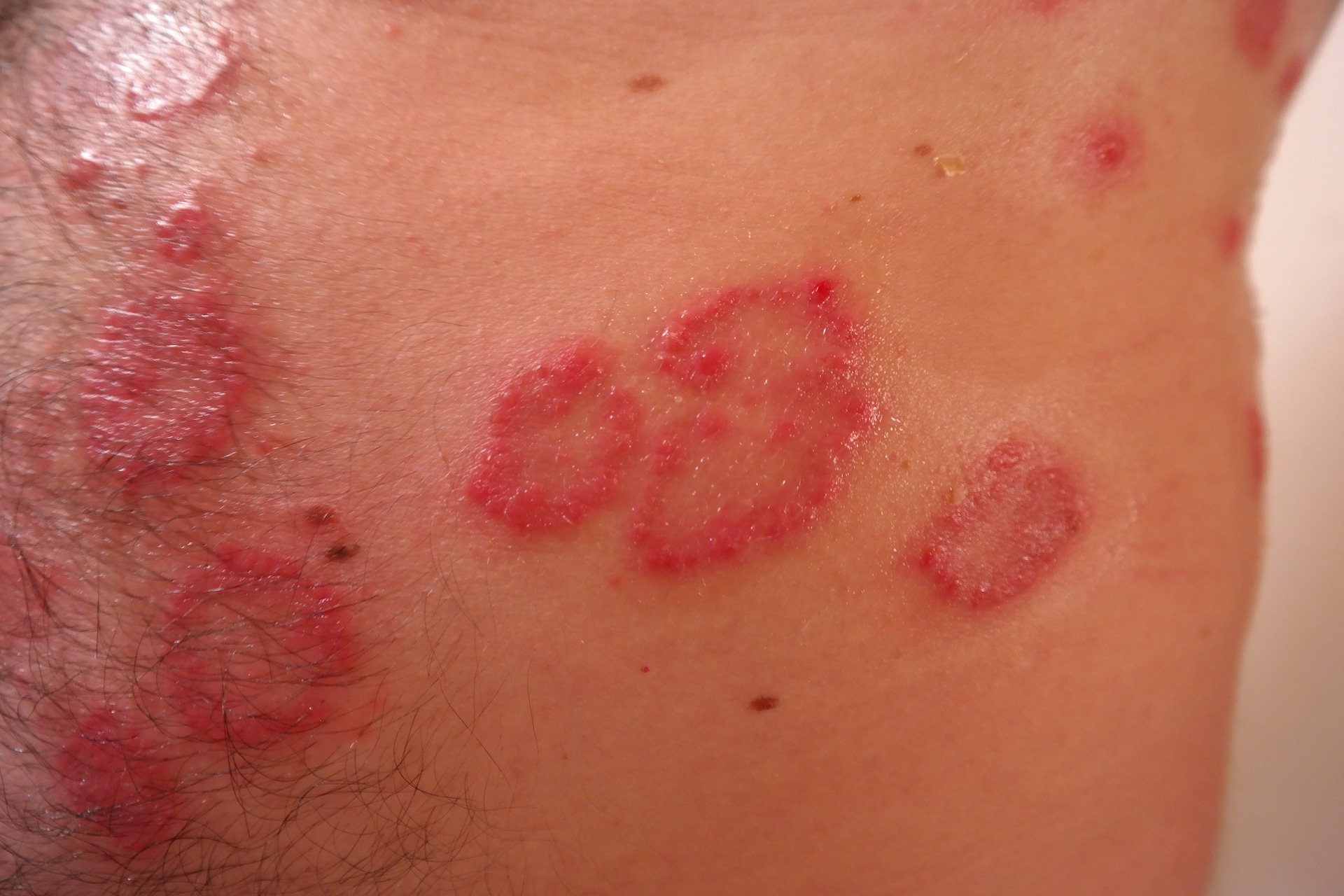
Introduction: Psoriasis Is a recurring autoimmune Skin disorder characterized by red rash with silvery, white scales And thick, patches.It Is A The most common type is called plaque psoriasis.Psoriasis Can Effect Your Whole Body, but it shows up most often on your scalp, knees, elbows, and lower back. A wide range of treatments are out there for psoriasis, however identifying that treatment is best are often difficult. discuss with your doctor if you are feeling a treatment is not working or you have uncomfortable side effects. Treatments comprise three categories: Topical – creams and ointments that are applied to your skin Photo therapy – your skin is exposed to certain types of ultraviolet Systemic – oral and injected medications that work throughout the complete body Natural Home Remedies Often, differing types of treatment are employed in combination. Your treatment for psoriasis may have to be reviewed frequently. you may need to create a care plan (an agreement between you and your health professional) as this may assist you manage your regular health. How to treat Psoriasis Topical treatments Used alone, creams and ointments that you just apply to your skin will effectively treat mild to moderate psoriasis. once the sickness is more severe, creams are likely to be combined with oral medications or light therapy. Topical psoriasis treatments include: Topical corticosteroids. These medication are the foremost frequently prescribed medications for treating mild to moderate skin condition. They cut back inflammation and relieve itching and will be used with different treatments. Mild corticosteroid ointments are typically suggested for sensitive areas, like your face or skin folds, and for treating widespread patches of broken skin. Your doctor might prescribe stronger corticosteroid ointment for smaller, less sensitive or tougher-to-treat areas. Long-term use or overuse of robust corticosteroids will cause thinning of the skin. Topical corticosteroids might stop working over time. it’s always best to use topical corticosteroids as a short treatment throughout flares. Vitamin D analogues. These artificial types of vitamin d slow skin cell growth. Calcipotriene (Dovonex) may be a prescription cream or solution containing a vitamin D analogue that treats mild to moderate skin condition along side different treatments. Calcipotriene would possibly irritate your skin. Calcitriol (Vectical) is expensive however could also be equally effective and probably less irritating than calcipotriene. Anthralin. This medication helps slow skin cell growth. Anthralin (Dritho-Scalp) may take away scales and make skin smoother. however anthralin will irritate skin, and it stains almost anything it touches. it’s always applied for a brief time and then washed off. Topical retinoids. These are vitamin A derivatives that will decrease inflammation. the foremost common side effect is skin irritation. These medications may increase sensitivity to daylight, thus while using the medication apply sun blocker before going outdoors. The risk of birth defects is much lower for topical retinoids than for oral retinoids. however tazarotene (Tazorac, Avage) is not suggested once you are pregnant or breast-feeding or if you plan to become pregnant. Calcineurin inhibitors. Calcineurin inhibitors — tacrolimus (Prograf) and pimecrolimus (Elidel) — cut back inflammation and plaque buildup. Calcineurin inhibitors are not suggested for long-run or continuous use because of a possible exaggerated risk of skin cancer and malignant neoplastic disease. they will be particularly useful in areas of thin skin, like round the eyes, wherever steroid creams or retinoids are too irritating or might cause harmful effects. Salicylic acid. on the market over-the-counter (nonprescription) and by prescription, salicylic acid promotes biological process of dead skin cells and reduces scaling. typically it’s combined with alternative medications, like topical corticosteroids or tar, to extend its effectiveness. salicylic acid is out there in medicated shampoos and scalp solutions to treat scalp skin condition. Coal tar. Derived from coal, tar reduces scaling, itchiness and inflammation. tar will irritate the skin. it is also messy, stains vesture and bedding, and incorporates a robust odor. Coal tar is available in over-the-counter shampoos, creams and oils. it is also on the market in higher concentrations by prescription. This treatment is not suggested for ladies who are pregnant or breast-feeding. Moisturizers. Moisturizing creams alone will not heal psoriasis, however they will cut back itching, scaling and dryness. Moisturizers in an ointment base are typically simpler than are lighter creams and lotions. Apply instantly when a shower or shower to lock in moisture. Phototherapy: Phototherapy uses natural and artificial light to treat skin disease. Artificial light therapy is given in hospitals and a few specialist centres, typically under the care of a dermatologist. These treatments are not the same as employing a sunbed. UVB phototherapy Ultraviolet B (UVB) phototherapy uses a wavelength of sunshine that’s invisible to human eyes. the light slows down the production of skin cells and is an efficient treatment for a few types of psoriasis that haven’t responded to topical treatments. every session only takes some minutes, however you will ought to attend hospital two or thrice every week for six to eight weeks. Psoralen plus ultraviolet A (PUVA) For this treatment, you will initial be given a pill containing compounds known as psoralens, or psoralen is also applied on to the skin. This makes your skin additional sensitive to lightweight. Your skin is then exposed to a wavelength of light known as ultraviolet A (UVA). This light penetrates your skin more deeply than ultraviolet B light. This treatment is also used if you’ve got severe psoriasis that hasn’t responded to different treatment. side effects of the treatment include nausea, headaches, burning and itching. you will need to wear special glasses for 24 hours once taking the pill to stop the development of cataracts. long-run use of this treatment is not encouraged, because it will increase your risk of developing skin cancer. Combination light therapy Combining phototherapy with different treatments typically will increase its effectiveness. Some doctors use UVB phototherapy together with tar, because the tar makes the skin additional receptive to light. Combining UVB phototherapy with dithranol cream can also be effective (this is thought as Ingram treatment). Systemic: When

How to treat Psoriasis ? Read More »

How to treat a stye Naturally & Medically ?

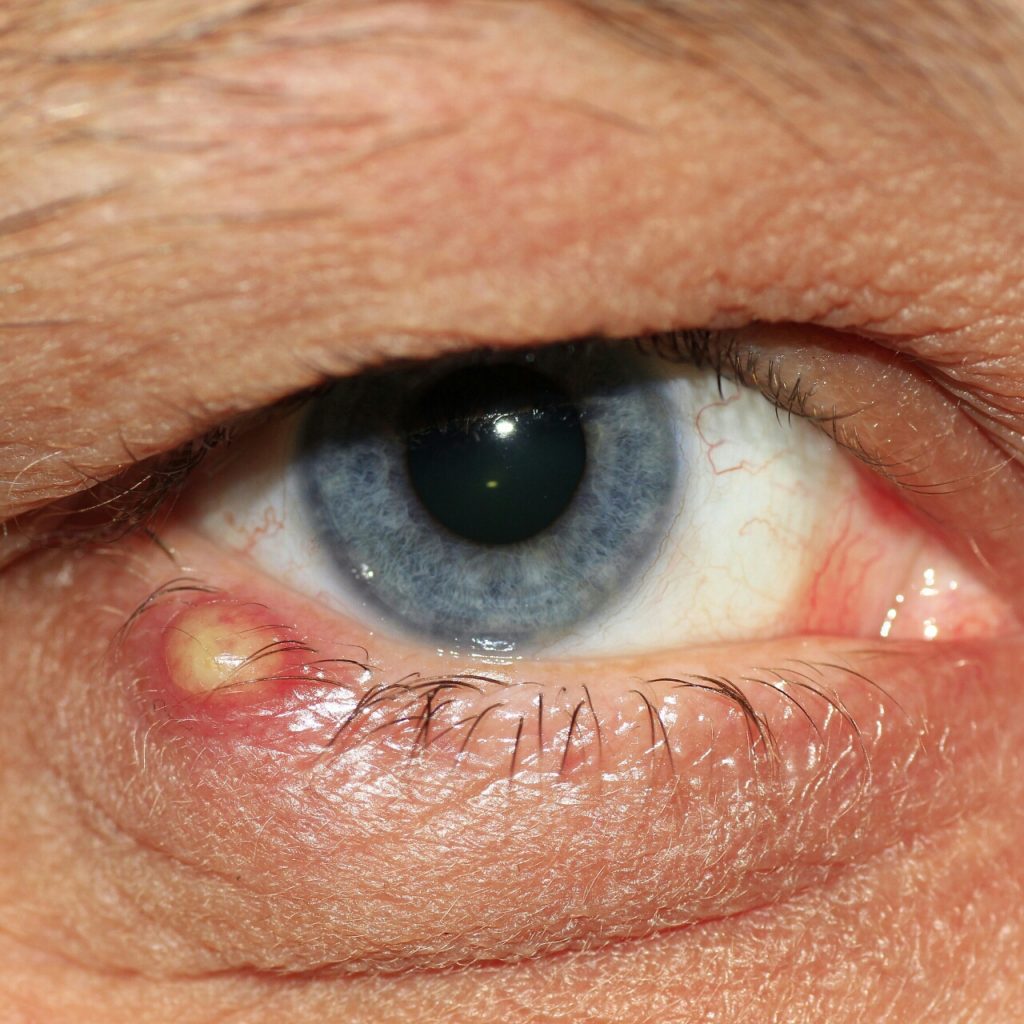
A Red pimple on eye,a stye, is a small cyst that appears on the skin eyelids and it is not only painpul but is also very irritating and make you look ugly.The most common cause behind the stye is the blocking of eyes glands due to any reason. Stye is more common in people who touch their eyelids with dirty hands and people with a history of a chalazion.But the problem is not a serious one. Symptoms Symptoms include,Red eyelid,Irritation of the eyelids,Pain,Watery eyes,and swelling of the eyelids. Causes of Stye Some of the causes are Hormonal changes,stress,use of low quality makeup,blockage of eye gland and some inflammatory diseases of the eyes like acne rosacea,blephritis etc How to treat a stye Naturally ? Most of the stye heal on their own with few days while some need home remedies to help them ease the pain and heal faster. (1)Finger Rub your finger with your palm and then Hold that warm finger on your stye.The heat helps increase blood circulation to the area and promotes drainage of the gland. Do it for atleast 5-10 times a day . (2)Use of Teabags Holding a warm teabag with your eye will help increase the flow of blood around the eye due to which your stye will disappear soon .Apart from this there are some antibacterial properties in the teabag due to which less bacteria grow in your eyes which in turn will help you heal your eyes.Do it for atleast 3-4 times a day untill your stye disappears. (3)Aloe Vera Aloe vera juice is one of the best natural remedy for healing stye.Place some aloe juice on your stye for 20 minute and then wash it with warm water and dry it with a soft cloth. (4)Massage the area Around Your Eyelids You can massage the area to promote drainage. Massage the area gently with clean hands. Once the stye drains, keep the area clean and avoid touching your eyes. Don’t do it if it hurt you. (5)Warm Compress This is one of the best natural remedy for stye .Soak a soft cloth in hot water and wring out the excess.Hold this warm, moist cloth on your closed eyelid for 5 to 10 minutes. It also helps reduce pain and swelling. Repeat 3 to 4 times a day for 2 weeks (6)Garlic Take one pod of Garlic cut it and Hold the cutted surface with your stye for 2-3 minutes.This treatment should be done atleast 6 times per day until the stye disappear.Chane The Garlic after 2 hours. How to treat a stye medically ? If your stye is very painful, otc pain killer,such as ibuprofen,or paracetamol may help ease the pain.Keep that in mind If Your Stye is painful and affect your normal life its better to consult your GP. Your doctor may give you a steroid shot to reduce swelling.Your Doctor may also prescribe an antibiotic cream for infections. You can also buy over the counter ointments for your stye at your pharmacy.Avoid using topical steroids for your stye. They may cause side effects. Make sure that any product you use is made to be used in or on the eye. Some antibiotic eye drops also work for external styes.

How to treat a stye Naturally & Medically ? Read More »

Antihistamines: List, Types, & Side Effects

What Is Histamine? Histamine is synthesized in the body from an amino acid known as histidine.It is mainly distributed in the following tissues: Basophils Mast cells Neurons of the brain Enterochromaffin like cell in the stomach. Allergy or inflammation causes the release of histamine from mast cells. There are Four Types Of Histamine Receptors In In The Body i.e H1, H2,H3,H4. H1 Receptor Are distributed in the body in the ; Smooth Muscle Brain Endothelial cells of blood vessels. H2 Receptors are distributed in; Parietal cells of stomach Mast Cells Brain Heart Muscle H3 Receptors are presynaptic and they are distributed in Brain Myenteric Plexus Of GIT Other Neurons H4 Receptors are mainly distributed on leukocytes,both in the blood and bone marrow.Stimulation of H4 Causes the chemotatic effects on the eosinphils and mast cells and these cells are attracted to the site of inflammation and allergic reations. Antihistamines Antihistamines are Important medicines often used In the treatment of allergies, such as Allergic Rhinitis(hay fever).Antihistamine are usually used topically on the skin ,in the eye and in the nose. Oral antihistamine are also very important in the prevention of urticaria,and in the treatment of pruritus ,urticarial rashes insect bites and stings. Antihitamines like cyclizine, promethazine teoclate and cinnarizine are also sometimes used to prevent motion sickness and antihistamines are also used for short-term treatment for sleeping difficulties (insomnia). Antihistamine May Be Sedating and Non-Sedating. All old antihistamines are somewhat more sedating as compare to newer agents.chlorphenamine and Cyclizine are less sedating as compare to promethazine and alimemazine. Non Sedating Antihistamine Include Cetrizine,Levocetrizine.Loratdine,Desloratidine,Fexofenadine,Acrivastine and Bilastine ,Rupatidine and Mizolasttine Cause Less Sedation. Most antihistamines can be bought from pharmacies and shops, but some are only available on prescription. Antihistamines (H1 Antagonists) They Block H1 Receptors Of Histamine. Classifications Antihistamines are broadly divided into two groups: 1st generation antihistamines And 2nd generation antihistamines First Generation Drugs Ethanolamines Carbinoxamine maleate Clemastine fumarate Dimenhydrinate Diphenhydramine HCl Ethylaminediamine Tripelennamine HCl Pyrilamine Maleate Antazoline Piperazine Derivatives Hydroxyzine HCl Cyclizine HCl Meclizine HCl Alkylamines Brompheniramine maleate Chlorpheniramine maleate Pheniramine Phenothiazine Promethazine HCl Miscellaneous Cyproheptadine Phenindamine Second Generation Drugs Fexofenadine Terfenadine Loratadine Cetirizine Astemizole Acrivastine Levocabastine Pregnancy: There is no evidence of teratogenicity Except for Hydroxyzine Where Toxicity has been reported in animal studies with high doses.But Still, Most Manufacturers advise for avoiding in pregnancy. Side Effects : Some of the main side effects of antihistamines include: • Drowsiness • Dizziness • Dry mouth • Nausea and vomiting • Trouble peeing or not being able to pee • Blurred vision • Confusion • Restlessness or moodiness (in some children). Bottom Line Antihistamines are a class of medications used to treat allergic reactions by blocking the effects of histamine, a chemical produced by the immune system in response to an allergen. They are effective in reducing symptoms such as itching, sneezing, and runny nose, but may also cause side effects such as drowsiness, dry mouth, and blurred vision. It is important to follow dosage instructions carefully and consult with a healthcare provider before taking antihistamines, especially if you have any medical conditions or are taking other medications. Read more Drugs & Medicines

Antihistamines: List, Types, & Side Effects Read More »

Penicillin: Mechanism, uses, history

Penicillins are a group of anti-bacterial agents used to treat a wide range of bacterial contaminations. They are gotten from Penicillium organisms and can be taken orally or by means of infusion. The penicillins were the principal hostile to bacterial medications utilized by specialists and they assault an extensive variety of microbes. Penicillin’s revelation and resulting produce have changed the face of Medicine. Penicillin history: The revelation of penicillin, one of the significant occasions ever. In 1871 the researcher Joseph Lister by chance saw that the form which develops on cheese and natural product can make microorganisms (germs) become weaker. He made some fruitful investigations on patients however did not, it appears to be, completely perceive the ramifications of his discoveries. In 1906 the youthful doctor Alexander Fleming turned into an exploration right hand at St Mary’s Hospital in London. Fleming went to France amid the First World War to treat injured troopers and could see with his own eyes that there was no compelling method for treating numerous diseases. Back at St Mary’s after the war, Fleming was resolved to locate a superior method for eliminating germs. In 1928 he was considering staphylococci microscopic organisms (that can, in addition to other things, contaminate wounds). By incredibly good fortunes, he saw that on a dish containing agar on which he had been developing germs, close to some shape, the germs were less basic. He developed a greater amount of the shape, naming it penicillin from its Latin name Penicillium. Fleming found the shape was compelling against microbes that brought about illnesses, for example, Bacillus anthracis, meningitis and diphtheria. He distributed his disclosures yet did not have the assets to test all the more broadly with penicillin. In 1938 Howard Florey, educator of pathology at Oxford University, began take a shot at a portion of the shape that Fleming had developed. Florey was an Australian specialist who had effectively made various imperative revelations and was additionally concentrate regular substances that could eliminate microorganisms. He had been inspired by an article that Fleming had distributed in 1929 depicting the impacts of penicillin. Not at all like Fleming, Florey had a vast research office, including Ernst Chain, a German Jew who had fled the Nazis. By 1939 Florey and Chain had started to understand the significance of penicillin and they had spared some of individuals’ lives with it starting 1942. The boundless utilization of penicillin was speeded up by the appearance of World War II. The legislatures of the US and Britain set out to deliver all the penicillin they could and by then, the fabricate of different medications had turned out to be enormous business, such a variety of significant organizations were willing to create penicillin. In 1943 Florey went to Russia to help it make penicillin and by 1944, there was sufficient penicillin for all the united troops injured in the D-Day attack of Europe. 1945 Chain, Fleming and Florey shared the Nobel Prize in Physiology or Medicine “for their disclosure of penicillin and its remedial impact in different irresistible sicknesses.” That is the place the typical story of penicillin stops. The name of Norman G. Heatley (1911-2004) is seldom specified in this unique circumstance. An Oxford University organic chemist, Dr. Heatley built up a system for disengaging penicillin amid World War II however it just yielded infinitesimal measures of the valuable substance. To make more penicillin, Dr. Heatley needed to gather a contraption from jugs, holders and doctor’s facility bedpans Against colossal chances, Dr. Heatley’s machine worked. It sufficiently isolated penicillin to test on a human, yet the constrained supply ran out before the patient could completely recuperate. In June 1941, Drs. Heatley and Florey ran with tests of their penicillin form to a Department of Agriculture research lab in Peoria, Illinois, where, working with a portion of the top scholars in the US, they get under way the exploration that prompted to expansive scale generation of penicillin. “Did Heatley make a critical commitment, as well as without him the endeavor might not have prevailing by any means,” said Sir James Gowans, a previous educator of pathology at Oxford. “He was the one that surfaced with the key stride in the disconnection of penicillin.” Dr. Heatley, nonetheless, was excluded in the Nobel Prize Physiology or Medicine for the advancement of penicillin. Nobel Prizes respect extraordinary donors however they regularly exclude incredible contributors. Following Are The Mechanism,Side Effects,Indications With Some Examples; Mechanism of Action Penicillins are β-lactam antibiotics. Bacterial cell walls are consisting of a protective amino acid chains called peptidoglycan layer.This peptidoglycan layer is made up of small amino acid N.acetyalmuramic acid and N.acetyalglutamic acid. The remodelling process involves the breaking of the β-(1,4) linked N-acetylmuramic acid and N-acetylglucosamine; as well as the breaking of the cross-linking peptide chains. This cross-linking peptide chains is what provides the protection and rigidity to the  cell wall. The breaking of this peptide cross-linking is performed by an enzyme called transpeptidase. This transpeptidase enzyme also helps in reforming the peptide bonds once the restructuring of the cell wall is done. The mechanism of penicillins is to act on this emzyme and inhibit it. By inhibiting this enzyme the penicillin prevents the reformation of the peptide bonds and thus makes the cell wall less strong. Cell walls without intact peptidoglycan cross-links are structurally weak, prone to collapse and disintegrate when the bacteria attempts to divide. Uses: Penicillins are used to treat Gram+ bacterial infections which, depending on the specific microbe involved, cause a wide range of illnesses including ear infections,urinary tract infections,respiratory tract infections, skin infections, dental infections, and gonorrhea. Side Effects: Call your doctor at once if you have any of these serious side effects: Fever, chills, body aches, flu symptoms Diarrhea that is watery or bloody Urinating less than usual or not at all Easy bruising or bleeding, unusual weakness Severe skin rash, itching, or peeling Seizure (black-out or convulsions). Agitation, confusion, unusual thoughts or behavior. Less serious penicillin V side effects

Penicillin: Mechanism, uses, history Read More »

5 strangest medical conditions

You All Have Heard Of Crazy Disease Like Ebola,And Swine Flu That Have Been Known To Spread Like Fire. But What About Those Rare ,Extreme And Strangest Medical Conditions, We Picked Top 5 Strangest Medical Conditions . (1)The Bark Skin Disease: Epidermodysplasia Verruciformis(EV) is additionally named as Lewandowsky-Lutz dysplasia and “Tree Man illness,” this can be a awfully rare hereditary genetic disease.  It causes widespread HPV (Human papillomavirus) that produces tumors and lesions, which may resemble warts, across the victim’s body. they’ll be reddish-brown in color and are most typically found on the trunk, hands, extremities (both upper and lower) and face. they have been named as “bark like” growths.  Malignant tumors (carcinomas) develop on areas of the skin that are exposed to daylight, largely when the victim is between 20 and 40 years of age. The growths are usually caused as a result of an impaired immune reaction to warts and similar growths. (2)Progeria: Progeria, additionally referred to as Hutchinson-Gilford progeria syndrome (HGPS), could be a rare genetic condition that causes a child’s body to age quick. most children with progeria don’t live past the age of thirteen. The disease affects both sexes and all races equally. It affects regarding one in every 4 million births worldwide. Approximately 350-400 people have progeria around the world. Causes: 90 % of kids with progeria have a mutation on the gene that encodes for lamin A, a protein that holds the nucleus of the cell together.This protein is additionally called progerin. (3)Haemolacria: Haemolacria refers to the presence of blood within the tears. Concentrations can be so low that it may only be detected with laboratory testing, or the affected person may additionally appear to be bleeding from the eyes because of the high blood content material. It usually appears as a symptom of ailment, although it can additionally increase spontaneously in a few cases, mainly in fertile girls. studies shows that some girls produce some blood in their tears in reference to the hormone cycle, and may be blind to it due to the fact best lines are gift. Causes: 1)Systemic Infections Associated With Bloody Tear. 2)Hemorrhagic fevers like Ebola cause Blood Vessels to burst, leading to leaks throughout the body. 3)Injuries to the eye can lead to haemolacria, as the eye or surrounding area may leak blood that mixes with the tears. 4)Tumors and other Lession inside the eye and near the tear ducts are another possible cause. 5)Researchers theorize it may be associated with extreme stress or psychological upset in these instances. (4)Hypertrichosis: This is a Rare  medical condition in which there’s excessive hair growth in areas that commonly don’t have hair. it’s generally referred to as the werewolf syndrome or Ambras syndrome.It can happen to any anyone despite age, gender, or race. Causes:Unknown (5)Hyperdontia: Hyperdontia is an oral condition characterised by having an excess range of teeth. normal|the quality} range of primary teeth is 20 and also the standard range of permanent teeth is 32. Primary teeth are the primary set of teeth that erupt in a person’s mouth, usually by the age of 36 months, and are shed by the time the person is regarding 12 years old. Permanent teeth then take the place of the primary teeth and are sometimes absolutely erupted by the time the person reaches twenty one years older. an individual who develops more than twenty primary teeth or over 32 permanent teeth has hyperdontia. the extra teeth are observed as supernumerary teeth. Cause: hereditary factors.

5 strangest medical conditions Read More »