Thesis Nootropics Review [2025]: My Honest Experience as a Pharmacist

Thesis Nootropics Review [2025]: My Honest Experience as a Pharmacist

Manzoor Khan - Certified Pharmacist
Written by Manzoor Khan PharmD, Certified Pharmacist (9+ years experience)
Medically Reviewed by: Dr. Sajid Ali PharmD, MPhil, PhD Scholar
Published: August 12, 2025

As a certified pharmacist, I understand the daily struggle of maintaining mental clarity and focus. When I discovered Thesis Nootropics, I decided to put their personalized approach to the test. In this comprehensive review, I’ll share my honest experience with their cognitive enhancement supplements, covering everything from effectiveness to pricing, so you can make an informed decision for your wellness journey.

Quick Verdict: Thesis Nootropics offers a personalized approach with targeted blends for specific cognitive benefits, using well-researched ingredients. While promising, it comes at a premium price (approx $120/pack for each) and offers only a 30-day money-back guarantee.

⚡ Quick Thesis Nootropics Overview
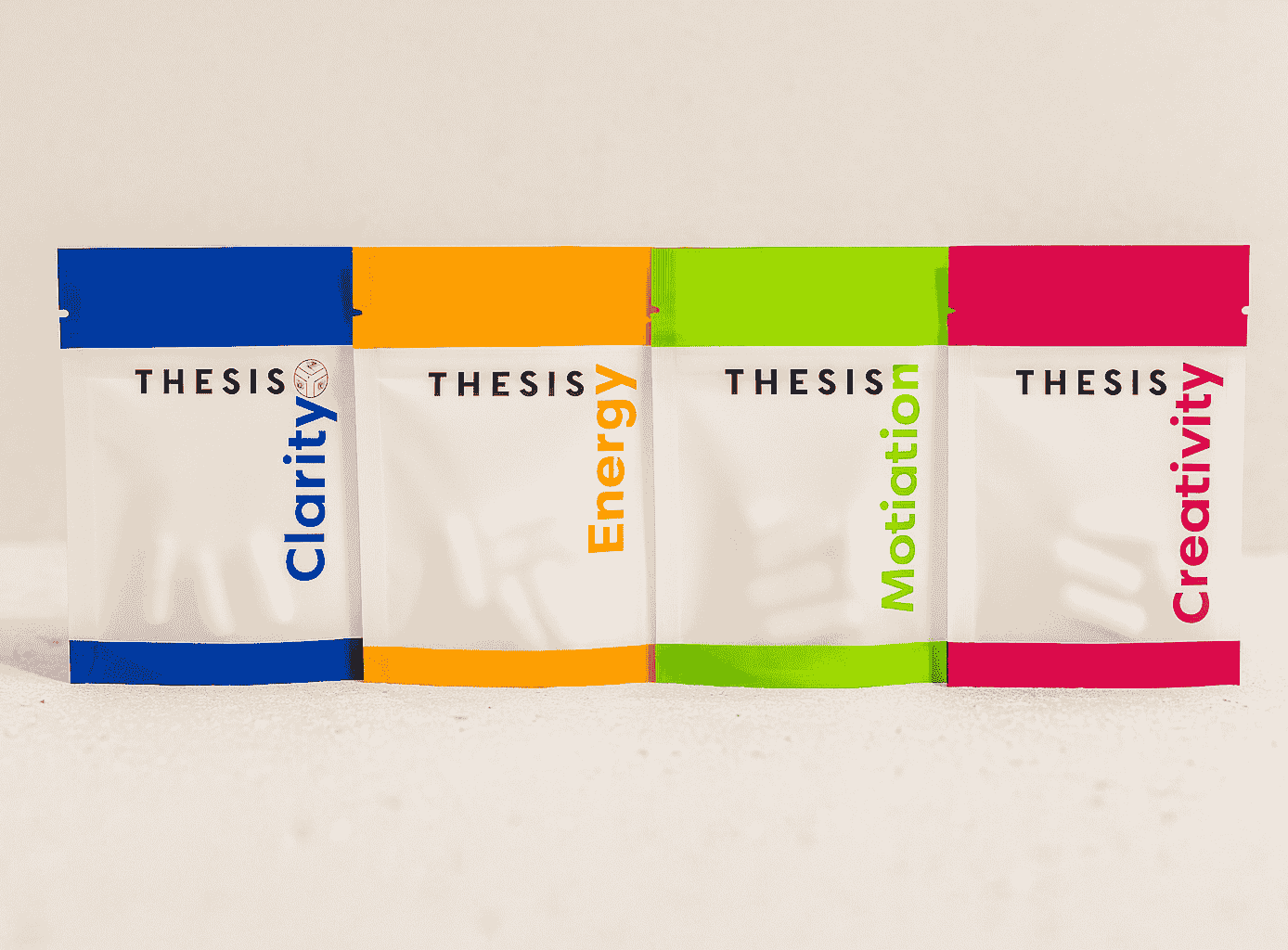
Thesis Nootropics Product Line
Brand: Thesis
Products: Clarity, Logic, Creativity, Energy, Confidence, and Motivation
Best Place to Buy: Official company website
Regular Price: Around $120
Subscription Price: Around $79
My Verdict: Premium pricing but unique personalized approach – worth trying if budget allows
Top Alternative: Brain Pill®
  • A more budget-friendly option
  • Contain some great ingredients
  • Comes with 67 day money guarantee
  • Note: Prices and availability are subject to change. Please check the official website for the latest details.

    Why You Can Trust My Review

    🏥
    As a certified pharmacist, I bring professional expertise to supplement analysis and safety considerations.
    👩‍💼
    My seasoned team and I have extensive real-world experience testing cognitive enhancement products.
    🔬
    I’m committed to delivering information grounded in comprehensive research and expert reviews.
    💎
    Transparency is my guiding principle – I provide straightforward information without jargon or ambiguity.
    💰
    I understand budget constraints and strive to find cost-effective solutions that maintain quality.
    🎯
    Your satisfaction is my ultimate goal – I empower you with knowledge for informed decisions.
    Affiliate Disclosure: This article contains affiliate links. If you choose to make a purchase through these links, I may earn a commission, which supports my ability to provide valuable content and services. Thank you for your support in helping me continue creating helpful reviews for busy parents like yourself.

    Thesis Nootropics: Pros and Cons

    👍 What I Love About Thesis

    • Personalized nootropic solutions tailored to individual needs
    • Contains scientifically-backed ingredients for mood, memory, creativity, and motivation
    • Manufactured in a cGMP-approved facility ensuring quality standards
    • Flexibility to remove caffeine from any product (perfect for sensitive individuals)
    • Hundreds of positive customer reviews available online
    • 30-day money-back guarantee for peace of mind

    👎 Areas for Improvement

    • Potential side effects including headaches, nausea, or dizziness
    • Not suitable for everyone – medical consultation recommended for certain conditions
    • Premium pricing may be challenging for budget-conscious consumers
    • Limited 30-day money-back guarantee period
    Thesis Nootropics Detailed Guide – Ingredients & Analysis

    🧠 A Comprehensive Detailed Guide

    🤔 What are Thesis Nootropics?

    From my experience as a certified pharmacist, I’ve observed that Thesis stands out in the supplement industry by specializing in personalized nootropics. Their product line includes uniquely named supplements like “Clarity,” “Logic,” “Creativity,” “Energy,” “Confidence,” and “Motivation.” The company’s approach is fascinating—they claim their products are tailored to individual brain chemistry to enhance overall cognitive health.

    As someone who regularly evaluates supplement claims, I find it crucial to examine whether there’s genuine scientific evidence supporting their personalization approach, or if it’s primarily a marketing strategy. This is particularly important for busy parents like myself who need reliable cognitive support but can’t afford to waste money on ineffective products.

    My Professional Analysis: In this comprehensive review, I’ll address all these concerns by examining Thesis’s marketing practices and health claims. I’ll analyze their formulations based on current medical research to determine potential efficacy and provide unbiased user feedback, including experiences from individuals managing ADHD.

    🧬 Comprehensive Ingredients Analysis

    As a pharmacist who understands the importance of knowing exactly what goes into our bodies, I’ve conducted a thorough analysis of each Thesis product. Let me break down the ingredients in each formulation so you can make an informed decision for your cognitive wellness journey.

    💡 Thesis Clarity Ingredients

    💡 Swipe left to see all ingredient details on mobile
    Ingredient Amount
    7,8 Dihydroxyflavone 30mg
    Camellia Sinensis Extract 250mg
    Alpha GPC 250mg
    Epicatechin 250mg
    Lion’s Mane 8:1 Extract 500mg
    Caffeine Optional: 100mg
    L-Theanine Optional: 200mg

    🧠 Thesis Logic Ingredients

    Ingredient Amount
    Triacetyluridine 30mg
    Vegan Omega-3 Lysine Complex (EPA + DHA) 200mg
    Phosphatidylserine 200mg
    Theobromine 100mg
    Ginkgo Biloba 160mg
    Synapsa® (Bacopa monnieri extract) 320mg
    Caffeine Optional: 100mg
    L-Theanine Optional: 200mg

    💪 Thesis Confidence Ingredients

    Ingredient Amount
    Saffron Extract (Affron®) 28mg
    Ashwagandha Extract (Shoden®) 120mg
    Sage Extract 333mg
    Magnesium Threonate 50mg
    Magnolia Bark Extract (DHH-B) 10mg
    Zembrin® 25mg
    Caffeine Optional: 100mg
    L-Theanine Optional: 200mg

    🚀 Thesis Motivation Ingredients

    Ingredient Amount
    Forskolin 250mg
    Methylcobalamin 1000mcg
    Dynamine 100mg
    L-Phenylalanine 500mg
    Artichoke Extract 450mg
    Caffeine Optional: 100mg
    L-Theanine Optional: 200mg

    🎨 Thesis Creativity Ingredients

    Ingredient Amount
    KSM-66 Ashwagandha 300mg
    GS15-4 Panax Ginseng 200mg
    Zembrin® 25mg
    Agmatine Sulfate 250mg
    Alpha GPC 150mg
    Caffeine Optional: 100mg
    L-Theanine Optional: 200mg

    ⚡ Thesis Energy Ingredients

    Ingredient Amount
    Zynamite® 300mg
    TeaCrine® 100mg
    Sabroxy® 100mg
    CDP Choline 300mg
    N-Acetyl-L-Tyrosine 300mg
    N-Acetyl Cysteine 500mg
    Caffeine Optional: 100mg
    L-Theanine Optional: 200mg
    Thesis Nootropics Product Analysis

    🔬 My Professional Ingredient Analysis

    As a certified pharmacist with over 9 years of experience, I’ve thoroughly researched each ingredient. Here’s my detailed analysis of the key components and their scientific backing:

    • AlphaGrain® Alpha GPC 50% Strong Evidence
      Alpha GPC is a choline compound naturally found in the brain that helps increase acetylcholine levels according to clinical research. This neurotransmitter is essential for learning, memory, and attention. From my professional perspective, Alpha GPC also shows promise for improving athletic performance and potentially reducing cognitive decline in older adults.
      ⚙️ Mechanism of Action:
      Crosses the blood-brain barrier and is converted to choline, which then increases acetylcholine synthesis for enhanced memory and cognitive function.
      📊 Clinical Dosing Comparison:
      Thesis: 150-250mg vs Clinical Studies: 300-600mg
      Thesis uses a moderate dose that’s below optimal clinical ranges but still within the effective threshold.
    • Dihydrohonokiol-B (DHH-B) Strong Evidence
      Multiple research studies demonstrate that DHH-B exhibits robust anxiolytic properties as documented in clinical trials, making it effective for managing anxiety. What impressed me most is that these studies show significant results within just one hour of treatment, highlighting its rapid onset of action.
      ⚙️ Mechanism of Action:
      Acts as a GABA-A receptor agonist, producing anxiolytic effects similar to benzodiazepines but with better safety profile.
      📊 Clinical Dosing Comparison:
      Thesis: 10mg vs Clinical Studies: 5-20mg
      Thesis dose is perfectly aligned with effective clinical dosing ranges.
    • Saffron Extract Strong Evidence
      This premium ingredient is particularly fascinating in Thesis nootropics. Research shows saffron boosts dopamine and glutamate levels in a dose-dependent manner. More importantly, clinical studies reveal positive effects in patients with Alzheimer’s disease, demonstrating its potential cognitive-enhancing properties that make it valuable in nootropic formulations.
      ⚙️ Mechanism of Action:
      Inhibits dopamine and norepinephrine reuptake while modulating GABA and glutamate neurotransmission for mood and cognitive enhancement.
      📊 Clinical Dosing Comparison:
      Thesis: 28mg vs Clinical Studies: 20-400mg
      Dosing in Thesis – matches the clinically proven effective range but in the lower range.
    • Ginkgo Biloba Strong Evidence
      This herbal supplement has been used for thousands of years in traditional Chinese medicine. It’s believed to improve cognitive function by increasing blood flow to the brain and reducing inflammation. Research indicates it also has antioxidant properties and may help protect against age-related cognitive decline.
      ⚙️ Mechanism of Action:
      Improves cerebral blood flow and acts as an antioxidant, protecting neurons from oxidative stress while enhancing memory formation.
      📊 Clinical Dosing Comparison:
      Thesis: 160mg vs Clinical Studies: 120-240mg
      Well-dosed within the effective clinical range for cognitive benefits.
    • Theobromine Strong Evidence
      Found naturally in cocoa beans and similar to caffeine, theobromine is thought to improve mood, energy, and focus without the adverse side effects associated with caffeine. As a pharmacist, I appreciate that it also has antioxidant properties and may support cardiovascular health.
      ⚙️ Mechanism of Action:
      Blocks adenosine receptors and inhibits phosphodiesterase, providing gentle stimulation and mood enhancement without jitteriness.
      📊 Clinical Dosing Comparison:
      Thesis: 100mg vs Clinical Studies: 50-200mg
      Optimal dosing – right in the middle of the effective clinical range.
    • Zembrin® Strong Evidence
      Sourced from a plant native to South Africa, Zembrin has demonstrated cognitive-enhancing and anti-anxiety effects in clinical trials. What’s remarkable is that these effects were observed at the same 25mg dose present in Thesis Creativity, underscoring this ingredient’s potential potency for improving cognitive function and reducing anxiety.
      ⚙️ Mechanism of Action:
      Modulates serotonin reuptake and acts on GABA receptors, providing anxiolytic effects while enhancing cognitive flexibility.
      📊 Clinical Dosing Comparison:
      Thesis: 25mg vs Clinical Studies: Upto 25mg
      Perfect match – exactly the clinically validated effective dose.
    • Forskolin Limited Evidence
      While animal studies show promising results in reducing memory loss, I must note that the lowest effective dose used in these studies was more than twice the human-equivalent dose found in Thesis. Currently, there are no conclusive clinical trials with human participants proving Forskolin’s efficacy as a nootropic.
      ⚙️ Mechanism of Action:
      Activates adenylyl cyclase, increasing cAMP levels which may enhance neuroplasticity and memory formation pathways.
      📊 Clinical Dosing Comparison:
      Thesis: 250mg Extract (10% Forskolin) vs Human Studies: Mostly used pure 10mg
      Dosing based on animal studies conversion; human clinical data needed for proper assessment.
    • Lion’s Mane Strong Evidence
      Recognized for stimulating nerve growth factors and promoting neurite outgrowth, Lion’s Mane is widely used in nootropic formulations as a safe neurotrophic agent. However, while studies confirm its cognitive benefits, some neuroprotective claims have been contradicted, emphasizing the importance of accurate marketing based on scientific evidence.
      ⚙️ Mechanism of Action:
      Stimulates nerve growth factor (NGF) production and promotes neurogenesis, supporting brain plasticity and cognitive function.
      📊 Clinical Dosing Comparison:
      Thesis: 500mg vs Clinical Studies: 750-1000mg
      Slightly underdosed compared to clinical studies, but the 8:1 extract concentration may compensate.
    • 7,8 Dihydroxyflavone Limited Evidence
      This natural flavonoid can cross the blood-brain barrier and activate the TrkB receptor, promoting neuron growth. While animal studies show promising cognitive and motor benefits, there’s currently no human evidence supporting these claims. More research is needed to understand its potential benefits and risks in humans.
      ⚙️ Mechanism of Action:
      Acts as a TrkB receptor agonist, mimicking BDNF effects to promote neuroplasticity and neuronal survival.
      📊 Clinical Dosing Comparison:
      Thesis: 30mg vs Human Studies: None Available
      Based on animal study conversions; human clinical trials needed to establish optimal dosing.
    • Agmatine Sulfate Strong Evidence
      A promising treatment for neuropathic pain with potent antidepressant effects, research suggests agmatine may effectively treat depressive symptoms. A comprehensive 5-year safety study indicated no significant long-term side effects, demonstrating its safety and tolerability as a nootropic ingredient.
      ⚙️ Mechanism of Action:
      Modulates NMDA receptors and nitric oxide synthesis, providing neuroprotective effects and mood stabilization.
      📊 Clinical Dosing Comparison:
      Thesis: 250mg vs Clinical Studies: 500-2670mg
      Significantly underdosed – clinical studies use much higher amounts for therapeutic effects.
    • N-Acetyl Cysteine (NAC) Strong Evidence
      This supplement provides numerous health benefits, including antioxidant replenishment and brain nourishment. NAC helps regulate glutamate levels—a crucial neurotransmitter in the brain. Excess glutamate and glutathione depletion can lead to brain damage, potentially contributing to several mental health disorders, including bipolar disorder, schizophrenia, OCD, and substance use disorder.
      ⚙️ Mechanism of Action:
      Precursor to glutathione synthesis and modulates glutamate neurotransmission, providing antioxidant protection and mood regulation.
      📊 Clinical Dosing Comparison:
      Thesis: 500mg vs Clinical Studies: 600-2400mg
      Below optimal clinical range – higher doses typically needed for psychiatric and cognitive benefits.
    • L-Theanine Strong Evidence
      This amino acid found naturally in tea leaves, particularly green tea, has been shown to promote relaxation and reduce stress and anxiety without causing drowsiness. L-Theanine can increase alpha brain waves associated with a state of relaxed focus, and improve cognitive performance, including attention, memory, and learning—perfect for busy parents managing multiple responsibilities.
      ⚙️ Mechanism of Action:
      Increases GABA, dopamine, and serotonin levels while promoting alpha brain wave activity for calm, focused attention.
      📊 Clinical Dosing Comparison:
      Thesis: 200mg vs Clinical Studies: 100-400mg
      Well-dosed within the effective clinical range for stress reduction and focus enhancement.
    • Panax Ginseng Strong Evidence
      Also known as Asian Ginseng, this herb has been used in traditional Chinese medicine for centuries. It has been shown to offer many benefits for brain health, including improving cognitive function, memory, and attention. Studies also suggest that Panax Ginseng may have neuroprotective effects and could be helpful in preventing and treating neurodegenerative diseases like Alzheimer’s and Parkinson’s.
      ⚙️ Mechanism of Action:
      Modulates neurotransmitter systems and provides adaptogenic effects, enhancing stress resilience and cognitive performance.
      📊 Clinical Dosing Comparison:
      Thesis: 200mg vs Clinical Studies: 200-400mg
      Good baseline dose – matches lower end of effective clinical range.
    • Epicatechin Limited Evidence
      Belonging to a group of compounds known as polyphenols, research suggests epicatechin may be promising for improving cognitive function in older adults. A scientific study found positive effects on brain function, cognition, and memory, helping improve memory tasks, executive function, and processing speed in older adults. However, further research is needed to fully understand its potential benefits and mechanisms.
      ⚙️ Mechanism of Action:
      Acts as an antioxidant and may enhance nitric oxide production, improving cerebral blood flow and neuroprotection.
      📊 Clinical Dosing Comparison:
      Thesis: 250mg vs Clinical Studies: 50-200mg
      Higher than most clinical studies, but limited human data makes optimal dosing unclear.
    • Caffeine Strong Evidence
      This well-known stimulant improves alertness and concentration by blocking adenosine receptors in the brain, leading to increased production of neurotransmitters like dopamine and norepinephrine. Caffeine has also been shown to improve cognitive performance, including memory and reaction time. However, as I always advise my readers, excessive caffeine consumption can negatively affect sleep and increase anxiety levels.
      ⚙️ Mechanism of Action:
      Blocks adenosine receptors, preventing drowsiness while increasing dopamine and norepinephrine for enhanced alertness and focus.
      📊 Clinical Dosing Comparison:
      Thesis: 100mg vs Clinical Studies: 40-400mg
      Moderate dose – provides cognitive benefits without excessive stimulation for most individuals.

    My Professional Verdict: After analyzing the dosing and evidence quality, I’m impressed with Thesis’s attention to clinical research. Most ingredients with Strong Evidence are dosed appropriately, though some could benefit from higher amounts. The Limited Evidence ingredients show promise but need more human studies. Overall, these ingredients are thoughtfully selected and generally safe, but I always recommend consulting with a healthcare provider before starting any new supplement regimen, especially for mothers who may be breastfeeding or have specific health considerations.
    Thesis Nootropics Reviews

    Thesis Nootropics Review – Enhanced Content

    Evidence-Based Benefits of Thesis Nootropics

    Based on clinical research of the individual ingredients and user reported outcomes, Thesis Nootropics offers several cognitive enhancement benefits. As a pharmacist, I’ve analyzed the scientific literature supporting these claimed benefits:

    Clinically-Supported Cognitive Benefits:

    • Enhanced Memory Formation and Recall: Compounds like Bacopa Monnieri and Alpha-GPC support acetylcholine synthesis, crucial for memory consolidation and retrieval processes.
    • Improved Focus and Sustained Attention: L-Theanine combined with natural caffeine sources provides alertness without jittery side effects commonly associated with synthetic stimulants.
    • Creativity and Divergent Thinking Enhancement: Adaptogenic herbs and nootropic compounds may facilitate novel neural pathway formation, supporting creative problem-solving abilities.
    • Stress Response Optimization: Rhodiola Rosea and other adaptogens help modulate cortisol levels, reducing cognitive impairment associated with chronic stress exposure.
    • Sustained Energy Without Crashes: Balanced formulations provide mental energy through multiple pathways, avoiding the rapid onset and decline typical of high-caffeine supplements.

    Potential Thesis Nootropics Side Effects and Safety

    While Thesis utilizes generally recognized as safe (GRAS) ingredients, individual responses can vary significantly. My analysis of reported adverse effects includes:

    Commonly Reported Side Effects:

    • Headaches: Often related to dehydration or individual sensitivity to choline-containing compounds
    • Gastrointestinal Discomfort: Nausea and digestive upset may occur, particularly when taken on an empty stomach
    • Sleep Disturbances: Insomnia can result from late-day consumption of stimulant-containing formulations
    • Cardiovascular Effects: Increased heart rate and blood pressure changes, especially in caffeine-sensitive individuals
    • Sensory Changes: Temporary blurred vision or dizziness in some users
    • Mood Fluctuations: Some users report irritability or anxiety, particularly during adaptation periods

    Professional Safety Recommendations:

    Transparency Concern: Thesis does not provide complete inactive ingredient lists on product pages, relying instead on individualized marketing. This lack of transparency poses challenges for individuals with allergies or sensitivities.

    Medical Consultation: Individuals with cardiovascular conditions, psychiatric disorders, or those taking prescription medications should consult healthcare providers before use.

    Gradual Introduction: Start with half-doses to assess individual tolerance before progressing to full recommended dosages.

    Professional Dosage Guidelines and Administration

    Proper dosing represents a critical factor in nootropic efficacy and safety. Based on Thesis formulations and pharmaceutical principles:

    Recommended Dosing Protocol

    Standard Thesis Dosing Guidelines

    Caffeinated Formulations: Three capsules daily, preferably with morning meals to optimize absorption and minimize sleep interference.

    Stimulant-Free Formulations: Two capsules daily, can be taken with or without food based on individual tolerance.

    Pharmacist’s Optimization Tips:

    • Timing Strategy: Take caffeinated versions 6-8 hours before intended sleep time
    • Food Interaction: Consume with healthy fats to enhance absorption of fat-soluble compounds
    • Hydration Protocol: Increase water intake by 16-20 oz daily to support optimal ingredient utilization
    • Cycling Approach: Consider 5-days-on, 2-days-off protocol to prevent tolerance development
    • Individual Titration: Start with 50% recommended dose for first week to assess individual response

    Pricing Analysis and Purchase Options

    Understanding the economic value proposition of Thesis requires analysis of cost-per-serving, ingredient quality, and market positioning compared to alternatives.

    Purchase Option Price Structure Cost Per Day Additional Benefits
    Subscription Model
    Recommended approach
    $79/month
    4 boxes, 6 doses each
    $3.29/day
    Based on 24 servings
    • Free US shipping
    • Account management dashboard
    • Formula customization options
    • Pause/cancel flexibility
    One-Time Purchase
    Higher cost option
    $119/month
    Same quantity as subscription
    $4.96/day
    51% premium over subscription
    • No subscription commitment
    • Same product quality
    • 30-day money-back guarantee

    Where to Purchase Thesis Nootropics:

    Official Website: Direct purchase from manufacturer with full customer support and guarantee coverage and you may also avail Thesis Nootropics discount codes.

    Amazon Marketplace: Limited availability with potential authenticity concerns and reduced customer service options.

    Health Food Stores: Select retailers may carry Thesis products, though availability varies significantly by location.

    Economic Considerations:

    Value Analysis: At $3.29-$4.96 daily, Thesis positions itself in the premium market segment. Comparable cognitive benefits may be achievable through individual ingredient sourcing at 40-60% lower costs for budget-conscious consumers.

    Insurance Coverage: Nootropic supplements are not covered by health insurance plans, making this an entirely out-of-pocket expense.

    Return Policy Limitation: Only one starter kit refund permitted per customer, potentially limiting risk-free trial opportunities.

    Evidence-Based Alternatives to Thesis Nootropics

    As a pharmacist with extensive experience in cognitive enhancement supplements, I’ve evaluated numerous nootropic alternatives to Thesis. The following comparison presents clinically-backed options that offer transparent formulations, established efficacy profiles, and competitive value propositions.

    Product & Key Features Primary Ingredients Clinical Benefits Rating & Price
    FDA-compliant facility manufactured
    Bacopa Monnieri Citicoline (250mg) L-Tyrosine Phosphatidylserine B-Complex Vitamins
    • Enhanced working memory capacity
    • Improved focus duration
    • Neuroprotective properties
    • Age-related cognitive decline support
    ★★★★☆ 4.2/5
    $69.95/month
    Clinically studied formula
    Bacopa Monnieri Huperzine A Alpha GPC L-Theanine Cat’s Claw
    • Verbal memory improvement
    • Processing speed enhancement
    • Executive function support
    • Flow state optimization
    ★★★★☆ 4.1/5
    $79.95/month
    Universal nootropic approach
    Lion’s Mane Mushroom Citicoline Bacopa Monnieri Rhodiola Rosea N-Acetyl L-Tyrosine
    • Comprehensive cognitive enhancement
    • Neuroplasticity support
    • Stress resistance improvement
    • Mental energy optimization
    ★★★★★ 4.6/5
    $69.00/month
    Premium ingredient complex
    Cognizin® Citicoline Organic Coffeeberry® Alpha-GPC PQQ DHA from Algae
    • Superior mental clarity
    • Enhanced creativity output
    • Sustained energy levels
    • Advanced neuroprotection
    ★★★★☆ 4.3/5
    $139/month
    Mainstream accessibility
    Coffee Fruit Extract Phosphatidylserine B-Complex
    • BDNF support
    • Basic cognitive maintenance
    • Affordable entry option
    • Widely available
    ★★★☆☆ 3.4/5
    $29.99/month
    Holistic brain health focus
    Gotu Kola Ginkgo Leaf Extract Phosphatidylserine Coffee Fruit Extract
    • Cerebral circulation enhancement
    • Memory consolidation support
    • Antioxidant brain protection
    • Age-appropriate formulation
    ★★★☆☆ 3.8/5
    $49.95/month

    Professional Analysis: Thesis vs. Prescription Alternatives

    Thesis Nootropics vs. Adderall: A Pharmacist’s Perspective

    While Adderall represents FDA-approved pharmaceutical intervention for ADHD management through dopaminergic and noradrenergic modulation, Thesis operates within the dietary supplement framework. From a clinical standpoint, Thesis offers a non-prescription approach utilizing natural compounds and synthetic nootropics without the controlled substance classification or associated dependency risks.

    Key Differentiators:

    Regulatory Status: Adderall requires prescription oversight, while Thesis functions as an over-the-counter supplement with DSHEA compliance.

    Mechanism of Action: Adderall provides direct neurotransmitter manipulation, whereas Thesis supports cognitive function through nutritional and herbal pathways.

    Safety Profile: Thesis presents lower risk of cardiovascular side effects and dependency potential compared to amphetamine-based medications.

    Important Clinical Consideration:

    Individuals currently prescribed ADHD medications should consult their healthcare provider before incorporating nootropic supplements to avoid potential interactions or therapeutic conflicts.

    Comprehensive Market Position Analysis

    Thesis distinguishes itself in the competitive nootropics landscape through its personalized assessment approach and targeted formulation methodology. Unlike traditional “one-size-fits-all” cognitive enhancers, Thesis employs algorithmic analysis of user responses to recommend specific blends optimized for individual cognitive objectives.

    Unique Value Propositions:

    • Personalization Algorithm: Initial assessment drives customized product recommendations
    • Specialized Formulations: Distinct blends for Clarity, Creativity, Logic, and Energy
    • Professional Coaching Access: Consultation with certified health professionals
    • Systematic Testing Protocol: Four-week evaluation period with detailed tracking
    • Premium Ingredient Selection: Inclusion of novel compounds like 7,8-DHF and Zembrin

    Evidence-Based User Feedback Analysis

    As this brand is becoming popular day by day so more and more people are discussing this on different platforms like Reddit, Amazon and Google’s first page reviews. Reddit users have shared their experiences with Thesis Nootropics, offering insights into their usage and the effectiveness of these supplements. While individual experiences may vary, here are some key takeaways from Reddit discussions:

    Reddit Community Insights

    u/somethingsimplerr

    “Among the pre-formulated nootropics I’ve evaluated, Thesis ranks consistently high. The Motivation, Energy, and Creativity formulations delivered measurable improvements in my cognitive performance metrics over the testing period.”

    u/BabaYaguh1

    “After systematic testing of Energy, Clarity, Creativity, and Motivation blends, I can confirm Thesis represents one of the most effective supplement regimens I’ve encountered. The targeted approach yields more specific results than generic formulations.”

    u/Amalfi-state-of-mind

    “The convenience factor of pre-formulated blends versus individual supplement assembly cannot be overstated. Thesis eliminates the guesswork while maintaining ingredient quality and dosage accuracy.”

    Better Business Bureau Analysis

    BBB records indicate minimal complaint volume, with primary concerns centered around refund policy clarity. The company demonstrates responsive customer service practices and policy clarification when issues arise but they also mentioned that this brand is not accredited by the BBB.

    Consumer Advisory:

    Review refund policies thoroughly before purchase, particularly regarding the single starter kit refund limitation per customer. This policy may not be prominently displayed during the checkout process.

    On Amazon, Thesis Nootropics generally receive positive feedback, though the number of reviews remains low. The Thesis Starter Kit currently holds a 3.9 out of 5-star rating based on just 57 reviews, likely because the product was only recently listed on Amazon.

    Frequently Asked Questions: Professional Insights

    What defines nootropics from a pharmacological perspective?

    Nootropics represent compounds that enhance cognitive function through various mechanisms including neurotransmitter modulation, neuroprotection, cerebral circulation improvement, and neuroplasticity support. They encompass both natural substances (racetams, adaptogens) and synthetic compounds designed for cognitive optimization without significant adverse effects. Want to learn more? Go through our in depth guide about Top 50 commonly used Nootropics Ingredients here.

    How does Thesis ensure safety and efficacy standards?

    While individual ingredients undergo scientific evaluation, the specific Thesis formulations lack comprehensive clinical trials. The company relies on established research for component ingredients while maintaining GMP manufacturing standards. As with all supplements, individual responses may vary significantly.

    What distinguishes Thesis from competitor formulations?

    Thesis implements a unique personalization approach through initial assessment questionnaires, offers specialized formulations targeting specific cognitive domains, and includes access to health professional coaching. The systematic four-week testing protocol enables users to identify optimal formulations through structured evaluation.

    Can Thesis effectively address ADHD symptoms?

    Thesis cannot be recommended as ADHD treatment, as it lacks FDA approval for medical conditions. While anecdotal reports suggest cognitive benefits for some users with ADHD, clinical evidence remains insufficient. Individuals with diagnosed ADHD should maintain prescribed medication regimens and consult healthcare providers before supplement integration.

    What are typical onset times for cognitive effects?

    Acute effects typically manifest within 30-60 minutes for stimulant-containing formulations, while adaptogenic and neuroprotective compounds may require 2-4 weeks of consistent use for optimal benefits. Individual metabolism, body weight, and baseline cognitive function significantly influence response timing.

    Are there concerns regarding Thesis’s personalization claims?

    Independent testing has revealed potential limitations in the personalization algorithm, with similar recommendations provided despite varying assessment responses. This raises questions about the genuine customization versus marketing positioning. Consumers should approach personalization claims with appropriate skepticism while focusing on ingredient quality and formulation transparency.

    Professional Conclusion and Recommendations

    From a pharmaceutical perspective, Thesis Nootropics represents a sophisticated approach to cognitive enhancement through targeted supplementation. The utilization of clinically-studied compounds including Alpha-GPC, Ginkgo Biloba, and theobromine demonstrates scientific foundation, while the personalized methodology addresses individual cognitive optimization needs.

    However, several considerations merit attention: the lack of comprehensive clinical trials on complete formulations, questions surrounding personalization algorithm validity, and premium pricing compared to individual ingredient sourcing. The transparency regarding inactive ingredients requires improvement for informed consumer decision-making.

    For individuals seeking cognitive enhancement through supplementation, Thesis offers a structured approach with professional support systems. Alternative options including BrainPill, Mind Lab Pro, and Onnit Alpha Brain provide comparable benefits with established track records and transparent formulations.

    Ultimately, successful cognitive enhancement requires holistic approaches incorporating proper nutrition, sleep optimization, stress management, and appropriate supplementation. Consult healthcare professionals before initiating nootropic regimens, particularly for individuals with existing medical conditions or medication regimens.

    For comprehensive information on nootropic supplementation and cognitive enhancement strategies, explore our detailed resource: Nootropics & Brain Health Supplement Guides

    0 Reviews ( 0 out of 0 )

    Write a Review

    Thesis Nootropics

    Thesis is a supplement brand that specializes in selling personalized nootropics, with supplements bearing unique names such as “Clarity,” “Logic,” “Creativity,” “Energy,” “Confidence,” and “Motivation.”

    Product Brand: TakeThesis

    Product Currency: USD

    Product Price: 79-119

    Product In-Stock: InStock

    Editor's Rating:
    4.3