
Ka’Chava Review: Is This Meal Replacement Worth Your Money?

By Manzoor Khan, Pharmacist
Nearly a Decade of Experience in Supplements & Health Writing
Medically Reviewed by: Sajid Ali, Pharm D, MPhil, PhD Scholar | View Profile
Published: November 1, 2025
Ever feel like your mornings are a race against time—skipping breakfast, grabbing whatever’s convenient, and wondering why your energy crashes by noon? You’re not alone. In our fast-paced world, finding time for nutritious meals feels impossible.
That’s where meal replacement shakes like Ka’Chava promise to step in. But here’s the real question: Can a single shake truly replace a whole meal while delivering on health benefits, or is it just another overhyped powder in a fancy bag?
As a pharmacist with nearly a decade analyzing supplements, I’ve seen countless products make bold claims. Ka’Chava has gained significant attention with its blend of 70+ superfoods, but popularity doesn’t always equal effectiveness. In this comprehensive review, I’ll break down the science, evaluate the ingredients, examine real customer experiences, and give you my honest professional verdict on whether this $4.66-per-serving shake is worth your investment.
Let’s separate marketing hype from nutritional reality.
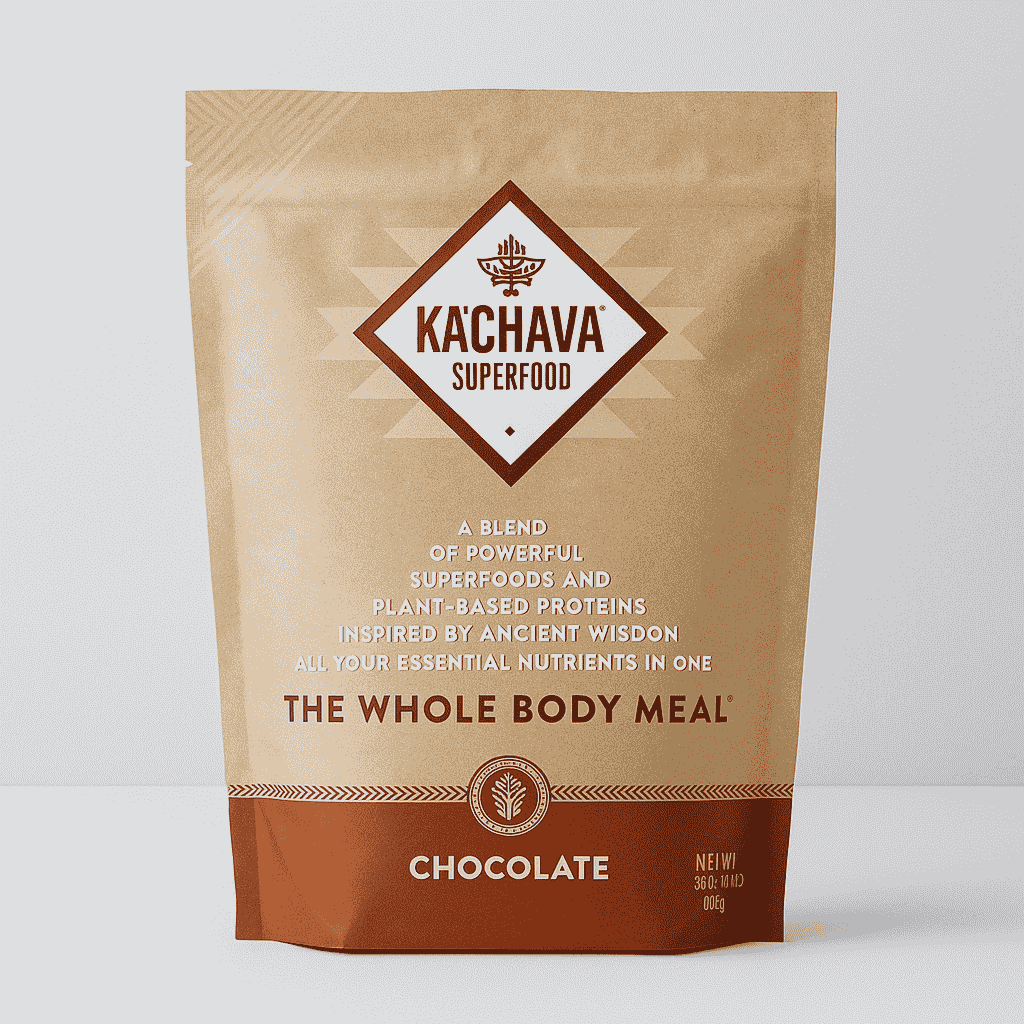
Ka’Chava Quick Overview
- Product Type: Plant-based meal replacement shake
- Manufacturer: Tribal Nutrition LLC
- Servings per Bag: 15 servings (30 scoops)
- Price: $69.95 per bag ($4.66 per serving)
- Flavors Available: Vanilla, Chocolate, Chai, Coconut Acai, Matcha
- Key Ingredients: 70+ superfoods, 25g plant protein, 9g fiber, 26 vitamins & minerals
- Calories per Serving: 240 calories
- Dietary Features: Vegan, gluten-free, dairy-free, soy-free
✓ What We Like
- Comprehensive nutrient profile with 70+ whole food ingredients
- High-quality plant-based protein blend (25g per serving)
- Contains probiotics and digestive enzymes for gut health
- Free from major allergens (gluten, dairy, soy)
- No artificial sweeteners or preservatives
- Money-back guarantee for first-time buyers
- Made in FDA-registered, cGMP-certified facility
- Positive customer reviews (4.4/5 stars from 63,000+ reviews)
✗ What Could Be Better
- Premium pricing ($4.66 per serving is higher than competitors)
- Limited third-party testing transparency on website
- Contains 6g sugar per serving (may concern diabetics)
- Only ships within the United States
- Some customers find the taste too sweet or chalky
- Requires consistent use to see significant results
- Proprietary blends limit exact ingredient amounts
How We Evaluated Ka’Chava: Our Pharmacist’s Assessment
To provide you with an accurate, unbiased review, I analyzed Ka’Chava across six critical criteria that matter most for meal replacement effectiveness and safety. Here’s our detailed evaluation based on clinical evidence, manufacturing standards, and real-world customer feedback.
Key Findings: Ka’Chava demonstrates excellent safety with natural ingredients. Most reported side effects are mild digestive adjustments (gas, bloating) during the first week. The product includes a money-back guarantee if adverse reactions occur. Individuals with specific allergies (coconut, seeds) or those on blood-thinning medications should consult healthcare providers before use.
Key Findings: Ka’Chava provides total blend weights but doesn’t disclose individual ingredient amounts within proprietary blends. Major components like protein (25g), fiber (9g), and vitamins are clearly listed. The lack of specific amounts for adaptogens and digestive enzymes makes it difficult to compare with clinical study dosages.
Key Findings: Ka’Chava is manufactured in an FDA-registered, cGMP-certified facility, meeting high-quality standards. However, the company doesn’t prominently display third-party testing certifications (NSF, USP, ConsumerLab) on their website. While they claim rigorous testing, lack of publicly available Certificates of Analysis (COA) reduces transparency compared to premium competitors.
Key Findings: Tribal Nutrition LLC (Ka’Chava’s parent company) maintains a clean regulatory record with no FDA warning letters. The brand has been featured in Forbes, Business Wire, and other reputable publications. With 63,000+ customer reviews averaging 4.4/5 stars, customer satisfaction is notably high. The company offers responsive customer service and honors their money-back guarantee policy.
Key Findings: Core ingredients like plant proteins, fiber, and vitamins have robust clinical backing. However, some superfood and adaptogen claims rely on traditional use rather than extensive human trials. The probiotic dosage (50mg) is lower than therapeutic doses used in clinical studies (typically 1-10 billion CFU). Overall, the formula is evidence-based, though some components have stronger research support than others.
Key Findings: At $4.66 per serving, Ka’Chava is positioned as a premium product—approximately 2x more expensive than quality competitors. While the ingredient diversity justifies some premium, the value proposition depends on individual priorities. Subscription saves $10 per month. No hidden fees or subscription traps. For those seeking maximum superfood variety, the price may be justified; for basic meal replacement needs, more affordable alternatives exist.
Key Findings: Taste is subjective, but majority of users appreciate Ka’Chava’s flavor profile. Vanilla and Chocolate are most popular. Some customers find it too sweet (6g sugar + monk fruit sweetener), while others appreciate the natural taste. Texture can be slightly gritty due to whole food ingredients. Blending yields better consistency than shaking. Adding ice, banana, or nut butter significantly improves taste and texture for those who find it bland.
What Is Ka’Chava? Understanding the Product
Ka’Chava positions itself as an “all-in-one plant-based superfood meal” designed to replace traditional meals while providing comprehensive nutrition. But what does this actually mean beyond the marketing language?
The Company’s Claims: According to Tribal Nutrition LLC (Ka’Chava’s manufacturer), this shake delivers complete nutrition through 70+ superfoods, supporting weight management, energy levels, immune function, digestive health, and cognitive performance—all in a convenient, drinkable format.
The Reality: Ka’Chava is a thoughtfully formulated meal replacement powder that combines plant proteins, healthy fats, fiber, vitamins, minerals, probiotics, digestive enzymes, and various superfoods. While it offers impressive nutritional density, calling it a complete “meal” requires context.
From a pharmacological perspective, Ka’Chava delivers macronutrients and micronutrients effectively, but it cannot fully replicate the complex phytochemical profile, satiety factors, and eating experience of whole foods. It’s more accurately described as a nutritionally optimized meal substitute suitable for occasional use or supplementary nutrition—not a permanent replacement for diverse, whole-food meals.
The product comes in five flavors: Vanilla, Chocolate, Chai, Coconut Acai, and Matcha. Each serving (2 scoops, 85g) provides 240 calories, making it appropriate for breakfast replacement or post-workout nutrition but potentially insufficient as a sole lunch or dinner replacement for active adults.
Who Is Ka’Chava Designed For?
- Busy professionals seeking quick, nutritious meal alternatives
- Health-conscious individuals wanting convenient superfood intake
- Plant-based eaters needing reliable protein sources
- Weight-conscious consumers requiring calorie-controlled meal options
- Athletes supplementing training nutrition (though not optimized for sports nutrition)
- Individuals with digestive sensitivities to dairy, soy, or gluten
Ka’Chava Ingredients: Deep Dive Analysis
The ingredient profile is where Ka’Chava attempts to differentiate itself from standard protein powders. Let’s examine each blend with clinical context and compare dosages to research-backed amounts.
1. Protein Blend — 25g per serving
Contains: Pea protein, brown rice protein, quinoa, amaranth, chia seeds
Clinical Analysis: This plant-based protein combination provides all essential amino acids, though in different proportions than animal proteins. Pea protein is particularly notable for its high lysine content, while rice protein complements with higher methionine levels—creating a complete amino acid profile when combined.
A 2015 study in the Journal of the International Society of Sports Nutrition found pea protein equally effective as whey protein for muscle thickness increases during resistance training. Another study published in Nutrition Journal demonstrated rice protein’s comparable effects to whey for body composition and exercise recovery.
Pharmacist’s Take: The protein blend is well-designed and adequately dosed. The combination strategy compensates for individual protein limitations, creating a nutritionally complete profile suitable for muscle maintenance and appetite control.
2. Omega EFA & Fiber Blend — 9.62g per serving
Contains: Chia seeds, flaxseeds, quinoa, oat fiber, inulin
Clinical Analysis: This blend provides both omega-3 fatty acids (particularly alpha-linolenic acid/ALA) and soluble/insoluble fiber. Chia and flax are rich in ALA, the plant-based omega-3 that converts to EPA and DHA in limited amounts (typically 5-10% conversion efficiency).
Dietary fiber offers extensive benefits: A 2019 meta-analysis in The Lancet involving 185 studies and 135 million person-years showed that higher dietary fiber intake significantly reduces incidence of coronary heart disease, stroke, type 2 diabetes, and colorectal cancer.
Research published in American Journal of Clinical Nutrition demonstrates that dietary fiber increases satiety, reduces caloric intake, and promotes healthy weight management.
Pharmacist’s Take: The fiber content is a standout feature. However, the ALA from plant sources provides limited omega-3 benefits compared to EPA/DHA from fish oil. Those seeking therapeutic omega-3 effects should consider separate supplementation.
3. Antioxidant Blend — 6.1g per serving
Contains: Acai, maqui berry, blueberry, tart cherry, strawberry, raspberry, goji berry, camu camu, and other antioxidant-rich fruits
Clinical Analysis: This blend provides various polyphenols, anthocyanins, and vitamin C. Antioxidants combat oxidative stress by neutralizing free radicals that damage cellular structures.
Research on anthocyanins from berries demonstrates cardiovascular protective effects, improved cognitive function, and anti-inflammatory benefits. A study in Nutrients showed that berry consumption improves vascular function and reduces blood pressure.
Camu camu is exceptionally high in vitamin C—one of the richest natural sources, containing 2-3% vitamin C by weight.
Pharmacist’s Take: While antioxidant-rich foods are beneficial, the proprietary blend format prevents verification of clinically effective doses for individual components. The overall blend contributes nutritional value, but don’t expect therapeutic antioxidant effects equivalent to concentrated supplements or large fruit servings.
4. Adaptogen Blend — 1,020mg per serving
Contains: Maca root, reishi mushroom, shiitake mushroom, maitake mushroom, cordyceps mushroom, lion’s mane mushroom, ginger root
Clinical Analysis: Adaptogens are substances that theoretically help the body adapt to stress and maintain homeostasis. This blend combines traditional Ayurvedic and Chinese medicine ingredients with emerging research support.
Cordyceps research suggests potential benefits for exercise performance and fatigue reduction. A systematic review of maca showed some evidence for improved sexual function and subjective wellbeing, though evidence quality is moderate.
Ginger has well-established anti-inflammatory and digestive benefits, with research supporting its use for nausea, inflammation, and metabolic health.
Pharmacist’s Take: This is where Ka’Chava’s “superfood” marketing becomes questionable. The adaptogen doses are likely sub-therapeutic—present for label appeal rather than clinical efficacy. Consider this blend as a nutritional bonus, not a therapeutic intervention.
5. Super Greens Blend — 500mg per serving
Contains: Spirulina, chlorella, kale, spinach, broccoli, and other green vegetables
Clinical Analysis: Green vegetables provide chlorophyll, various minerals, and phytonutrients. Spirulina and chlorella are algae rich in protein, B-vitamins, and unique antioxidants like phycocyanin.
Research on spirulina supplementation shows potential benefits for lipid profiles, blood pressure, and antioxidant status.
Pharmacist’s Take: This 500mg blend represents less than 0.6% of the total formula weight. It’s a token inclusion that sounds impressive in marketing but contributes minimal nutritional value. Eating one cup of fresh spinach provides far more green vegetable benefits.
6. Digestive Enzyme Blend — 50mg per serving
Contains: Amylase, protease, cellulase, lipase, lactase
Clinical Analysis: Digestive enzymes assist in breaking down macronutrients: amylase (carbohydrates), protease (proteins), lipase (fats), and cellulase (plant fibers). Lactase breaks down lactose, though this is odd inclusion in a dairy-free product (unless mixed with milk).
Research on digestive enzyme supplementation shows benefits primarily for individuals with pancreatic insufficiency or specific digestive disorders. For healthy individuals, endogenous enzyme production is typically sufficient.
Pharmacist’s Take: The enzyme content is supplemental at best. It may provide mild digestive comfort for some users but shouldn’t be relied upon for significant digestive support. Those with genuine digestive enzyme deficiencies need medical-grade supplements.
7. Probiotics & Prebiotics — 50mg per serving
Contains: Lactobacillus rhamnosus, Lactobacillus acidophilus, inulin (prebiotic)
Clinical Analysis: These probiotic strains have research supporting digestive health, immune function, and potentially weight management. Inulin serves as prebiotic fiber, feeding beneficial gut bacteria.
A meta-analysis of Lactobacillus supplementation showed modest benefits for weight management and metabolic markers. Inulin research demonstrates improved digestive regularity and enhanced mineral absorption.
Pharmacist’s Take: The probiotic content is likely insufficient for therapeutic gut health benefits. Consider it a minor bonus rather than a primary probiotic source. For targeted digestive support, separate, high-CFU probiotic supplementation is advisable.
8. Vitamins & Minerals — Comprehensive Profile
Contains: 25+ essential vitamins and minerals providing 20-100%+ Daily Value for most nutrients
Clinical Analysis: Ka’Chava functions as a multivitamin, providing vitamins A, C, D, E, K, B-complex (B1, B2, B3, B6, B12, folate, biotin, pantothenic acid), and minerals including calcium, magnesium, zinc, iron, selenium, chromium, and others.
The National Institutes of Health reviews multivitamin/mineral supplementation benefits and notes they can help fill nutritional gaps, particularly for individuals with dietary restrictions or increased nutritional needs.
Pharmacist’s Take: The micronutrient profile is the strongest aspect of Ka’Chava’s formula. It effectively serves as both meal replacement and multivitamin, eliminating need for separate supplementation for most users. The nutrient forms appear appropriate (though some use less bioavailable forms like cyanocobalamin for B12 rather than methylcobalamin).
Ka’Chava Benefits: What Can You Realistically Expect?
Let’s separate marketing claims from evidence-based expectations, drawing on clinical research and real-world customer experiences.
1. Weight Management Support
The Claim: Ka’Chava helps manage healthy weight by controlling cravings and keeping you full for hours with only 240 calories.
The Reality: As a low-calorie meal replacement with high protein (25g) and fiber (9g), Ka’Chava can support weight management when used strategically. The protein and fiber combination promotes satiety—the feeling of fullness that reduces subsequent caloric intake.
A systematic review in Nutrition Reviews found that meal replacement strategies result in greater short-term weight loss compared to conventional reduced-calorie diets. However, long-term success requires behavioral change and transition to whole-food eating patterns.
Expected Outcome: If you replace one higher-calorie meal (500-700 calories) with Ka’Chava (240 calories) daily while maintaining other healthy eating habits, you could create a 260-460 calorie daily deficit, potentially leading to 0.5-1 lb weekly weight loss. This assumes no compensatory overeating at other meals.
Limitation: At 240 calories, one serving may not provide adequate satiety for highly active individuals or those accustomed to larger meals. Some users report hunger within 2-3 hours, potentially leading to snacking that negates caloric savings.
2. Nutritional Optimization
The Claim: Get all required nutrients from 70+ superfoods in one convenient shake.
The Reality: Ka’Chava provides an impressive micronutrient profile, delivering 20-100%+ Daily Value for most essential vitamins and minerals. This makes it genuinely useful for individuals with nutrient gaps due to restrictive diets, busy lifestyles, or poor eating habits.
According to the CDC’s Second Nutrition Report, many Americans have inadequate intake of vitamins D, E, and minerals like magnesium and calcium. Ka’Chava addresses these common deficiencies effectively.
Expected Outcome: Regular use can prevent nutrient deficiencies and support overall health maintenance. Blood work improvements in B-vitamin status, vitamin D levels (if deficient), and mineral status are possible with consistent use over 2-3 months.
Limitation: “70+ superfoods” sounds impressive but is largely marketing. Many ingredients appear in minuscule amounts. The core nutritional value comes from approximately 15-20 primary ingredients—the protein sources, fiber sources, and added vitamins/minerals.
3. Digestive Health Support
The Claim: Probiotics, prebiotics, and digestive enzymes support optimal gut health and reduce bloating.
The Reality: The 9g fiber content is the primary digestive benefit. Fiber promotes regular bowel movements, feeds beneficial gut bacteria, and supports healthy gut microbiome diversity. The inulin prebiotic adds modest support.
Research published in Cell Host & Microbe demonstrates that dietary fiber is one of the most important factors influencing gut microbiome health and metabolic outcomes.
Expected Outcome: Improved digestive regularity within 1-2 weeks of consistent use. Some users report reduced bloating and better bowel movement consistency. The fiber content is clinically meaningful for digestive health.
Limitation: The probiotic and enzyme content is too low for therapeutic digestive benefits. Don’t rely on Ka’Chava as a primary probiotic supplement if you have significant gut health issues like IBS, SIBO, or dysbiosis.
4. Energy & Cognitive Support
The Claim: Sustained energy and mental clarity from B-vitamins, adaptogens, and complex nutrition.
The Reality: The B-vitamin complex (especially B12, B6, and folate) supports energy metabolism at the cellular level. Combined with adequate protein and complex carbohydrates, Ka’Chava can provide steadier energy compared to simple carbohydrate breakfasts that cause blood sugar spikes and crashes.
A study in Nutrients examining multivitamin supplementation showed improvements in subjective energy levels and reduced fatigue, particularly in individuals with borderline nutrient deficiencies.
Expected Outcome: More stable energy throughout the morning if used as breakfast replacement. Avoidance of mid-morning energy crashes common with high-sugar breakfasts. Mental clarity improvements are subjective but reported by many users.
Limitation: The adaptogen content is too low for significant stress-response modulation. Energy benefits primarily stem from avoiding poor breakfast choices rather than any unique energizing properties of the formula itself.
5. Immune Function Enhancement
The Claim: Superfoods, antioxidants, and key nutrients boost immune system function.
The Reality: Adequate micronutrient intake (particularly vitamins C, D, E, zinc, and selenium) is essential for optimal immune function. Ka’Chava provides these nutrients in appropriate amounts.
A comprehensive review in Nutrients confirms that micronutrient adequacy is crucial for immune competence, with deficiencies impairing immune responses.
Expected Outcome: Supporting baseline immune function through adequate nutrition. This doesn’t mean you won’t get sick, but proper nutrition optimizes your body’s defense mechanisms.
Limitation: Ka’Chava won’t “boost” immune function beyond normal capacity if you’re already well-nourished. The antioxidant “superfood” blends don’t provide proven immune enhancement beyond what adequate vitamin/mineral intake already offers.
Ka’Chava Side Effects & Safety Profile
Based on ingredient analysis, clinical evidence, and customer reports, here’s what you need to know about potential side effects and safety considerations.
Common Side Effects (Mild, Temporary)
- Digestive adjustment (first 3-7 days): Gas, bloating, and mild cramping as your digestive system adapts to increased fiber intake (9g per serving). This typically resolves within a week.
- Increased bowel movements: The high fiber content promotes regularity, which may be more frequent than your baseline.
- Mild nausea: Some users experience slight nausea, particularly when consuming on an empty stomach or drinking too quickly.
- Headaches: Rarely reported, possibly related to dietary changes or caffeine content in Matcha flavor.
Rare Side Effects (Less Common)
- Allergic reactions: Individuals allergic to coconut, seeds (chia, flax), or specific ingredients may experience allergic responses ranging from mild skin reactions to severe anaphylaxis.
- Diarrhea: Excessive intake or sensitivity to fiber/probiotics can cause loose stools.
- Skin reactions: Rare reports of rashes or itching, likely related to individual sensitivities.
Who Should Avoid Ka’Chava?
⚠️ Special Populations & Contraindications
Pregnant or Breastfeeding Women: While ingredients are generally recognized as safe, the adaptogen blend and high nutrient doses haven’t been specifically studied in pregnancy. Consult your obstetrician before use. Some mushroom extracts (cordyceps, reishi) lack safety data for pregnancy.
Individuals on Blood-Thinning Medications: Vitamin K content (from greens) may interfere with warfarin and similar anticoagulants. The omega-3 fatty acids also have mild blood-thinning effects. Consult your physician and maintain consistent intake if approved.
People with Kidney Disease: The high protein content (25g) and certain minerals (potassium, phosphorus) require medical supervision for those with compromised kidney function. Excess protein can strain damaged kidneys.
Diabetics: The 6g sugar per serving plus 24g carbohydrates can impact blood glucose. Monitor blood sugar carefully when incorporating Ka’Chava. The fiber content helps moderate glycemic response, but individual reactions vary.
Those with Mushroom Allergies: The adaptogen blend contains multiple mushroom varieties. Individuals with mushroom allergies should avoid this product entirely.
Children Under 18: While not inherently harmful, Ka’Chava is formulated for adult nutritional needs. Consult a pediatrician before giving to children, as nutrient requirements differ significantly by age.
Individuals with Digestive Disorders: Those with IBS, Crohn’s disease, ulcerative colitis, or other inflammatory bowel conditions should introduce gradually and monitor symptoms. The high fiber content may exacerbate certain conditions during flare-ups.
Drug Interactions
Ka’Chava may interact with certain medications:
- Antibiotics: Take Ka’Chava at least 2 hours before or after antibiotics, as minerals (calcium, magnesium, zinc) can reduce antibiotic absorption.
- Thyroid medications (Levothyroxine): Fiber and minerals interfere with thyroid medication absorption. Take thyroid medication on an empty stomach and wait 4 hours before consuming Ka’Chava.
- Blood pressure medications: The potassium content may enhance blood pressure-lowering effects. Monitor blood pressure and consult your physician.
Is There a Money-Back Guarantee?
Yes, Ka’Chava offers a satisfaction guarantee for first-time customers. You can try one bag of each flavor, and if unsatisfied, they’ll refund your purchase. This reduces risk for those concerned about tolerability or taste preferences. Contact customer service within 30 days of purchase to initiate a return.
How to Use Ka’Chava: Dosage & Best Practices
Recommended Dosage: Mix 2 scoops (85g) with 12-14 oz of cold water, milk alternative, or your preferred liquid. Blend or shake vigorously until smooth.
Optimal Usage Strategies
For Weight Loss
Replace 1-2 meals daily with Ka’Chava, typically breakfast and lunch. Consume a balanced, whole-food dinner with vegetables, lean protein, and healthy fats. This creates a caloric deficit while maintaining nutritional adequacy. Expected weight loss: 0.5-1.5 lbs per week with proper implementation.
For Weight Maintenance
Use once daily as breakfast or lunch replacement. This provides convenient nutrition while allowing flexibility for other meals. Maintains current weight while ensuring micronutrient intake.
For Nutritional Supplementation
Use as a snack or post-workout shake alongside regular meals. Adds 240 calories and comprehensive nutrition to support active lifestyles or address nutrient gaps. Not intended to replace meals in this approach.
Tips for Best Results
- Blend, don’t shake: Using a blender creates smoother consistency and better mouthfeel compared to shaker bottles.
- Add ice: Improves texture and makes the shake more enjoyable, especially in warm weather.
- Enhance with additions: Add banana, berries, nut butter, or avocado for extra nutrients, healthy fats, and improved satiety.
- Start gradually: If you’re not accustomed to high-fiber intake, begin with one scoop daily for 3-5 days before increasing to full serving.
- Stay hydrated: The high fiber content requires adequate water intake (8-10 glasses daily) for optimal digestion.
- Time it right: Best consumed as breakfast or within 30-60 minutes post-workout for optimal nutrient utilization.
Ka’Chava Pricing & Where to Buy
Understanding the true cost helps determine whether Ka’Chava fits your budget and offers acceptable value for your needs.
| Purchase Option | Price | Servings | Cost per Serving | Best For |
|---|---|---|---|---|
| Single Bag (One-time) | $69.95 | 15 | $4.66 | First-time triers |
| 2-Bag Subscription | $129.90 ($64.95/bag) | 30 | $4.33 | Regular users |
| Amazon (varies) | $69.95-$74.95 | 15 | $4.66-$5.00 | Prime members |
Best Places to Buy Ka’Chava
1. Official Website (KaChava.com): Best for subscription options, money-back guarantee, and full flavor selection. Offers customer support directly from the manufacturer.
2. Amazon: Convenient for Prime members with fast shipping. Customer reviews provide additional insights. However, prices may be slightly higher, and you may encounter third-party sellers with older inventory. View on Amazon
3. Select Retailers: Some health food stores carry Ka’Chava, though availability varies by location. Call ahead to confirm stock.
Is Ka’Chava Worth the Price?
At $4.66 per serving, Ka’Chava costs approximately 2x more than quality competitors like Orgain ($2.19) or Huel ($2.50). The premium pricing reflects:
- 70+ ingredient formula (vs. 10-20 in most competitors)
- Higher organic ingredient percentage
- Comprehensive vitamin/mineral profile
- No artificial ingredients
- Multiple functional blends (adaptogens, antioxidants, probiotics)
My Professional Opinion: If you value ingredient diversity and don’t mind paying premium prices for “superfood” inclusions, Ka’Chava offers good quality. However, if your primary goal is basic meal replacement with adequate protein, fiber, and micronutrients, less expensive alternatives provide comparable core benefits. The extra cost buys mainly ingredient variety rather than proportionally greater health outcomes.
For a detailed comparison of meal replacement options, visit our comprehensive Meal Replacement Shakes Guide.
Ka’Chava vs. Competitors: How Does It Compare?
Ka’Chava vs. Huel
Huel focuses on “nutritionally complete food” with a more minimalist approach. Both provide comprehensive nutrition, but Huel is more affordable ($2.50/serving) and offers wider product variety (powders, ready-to-drink, bars, hot meals).
Key Differences: Ka’Chava emphasizes superfoods and plant variety (70+ ingredients), while Huel prioritizes nutritional completeness with fewer ingredients. Huel contains more calories per serving (400 vs. 240), making it more suitable as complete meal replacement. Ka’Chava tastes better according to most comparative reviews.
Choose Ka’Chava if: You prefer superior taste, want maximum ingredient diversity, and don’t mind premium pricing.
Choose Huel if: You prioritize affordability, want higher calorie options, and prefer scientifically-formulated minimalism over superfood variety.
Read our detailed Ka’Chava vs. Huel comparison for comprehensive analysis.
Ka’Chava vs. Orgain
Orgain specializes in organic, clean-label nutrition with USDA Organic certification. At $2.19 per serving, it’s significantly more affordable than Ka’Chava while maintaining quality standards.
Key Differences: Orgain provides 20g protein (vs. Ka’Chava’s 25g) and less fiber (3g vs. 9g). Orgain contains more organic certification but fewer total ingredients. Ka’Chava offers more comprehensive micronutrient profile and unique superfood blends.
Choose Ka’Chava if: You want maximum fiber, complete vitamin/mineral profile, and don’t mind paying extra for superfood inclusions.
Choose Orgain if: You prioritize certified organic ingredients, want solid basic nutrition at affordable price, and prefer simple, transparent formulas.
Ka’Chava vs. 310 Shake
310 Shake targets weight loss specifically with lower calories (90-110), zero sugar, and minimal carbohydrates (4-7g).
Key Differences: 310 Shake is designed purely for weight loss with aggressive caloric restriction. Ka’Chava provides more complete nutrition (240 calories, 24g carbs, 6g sugar) suitable for meal replacement without extreme restriction. Ka’Chava offers significantly more vitamins, minerals, and functional ingredients.
Choose Ka’Chava if: You want balanced meal replacement with comprehensive nutrition, not just weight loss focus.
Choose 310 Shake if: Your primary goal is aggressive calorie restriction for rapid weight loss and you’re supplementing with whole food meals.
For more details, read our 310 Shake review.
Ka’Chava vs. Garden of Life
Garden of Life emphasizes raw, organic, whole food ingredients with third-party certifications (USDA Organic, Non-GMO Project Verified, NSF Certified Sport).
Key Differences: Garden of Life offers superior third-party certification transparency. Both provide plant-based protein and comprehensive nutrition. Garden of Life costs $2.52 per serving—almost half the price of Ka’Chava. Ka’Chava includes more functional blends (adaptogens, antioxidants).
Choose Ka’Chava if: You want maximum ingredient variety with adaptogen and superfood blends.
Choose Garden of Life if: Third-party certifications are priority, you want verified organic/non-GMO status, and prefer better value pricing.
Ka’Chava Reviews: What Customers Are Saying
With over 63,000 customer reviews across platforms, Ka’Chava has garnered substantial real-world feedback. Here’s what actual users report about their experiences.
Overall Customer Satisfaction
Average Rating: 4.4/5 stars across Google, Amazon, Trustpilot, and official website reviews.
Positive Ka’Chava Reviews – What Users Love
“After trying dozens of meal replacements, Ka’Chava is the only one I’ve stuck with for 6+ months. The chocolate flavor tastes surprisingly good—not chalky like most protein powders. I blend it with almond milk and frozen banana for breakfast, and I’m genuinely full until lunch. My energy levels are noticeably more stable throughout the morning. Yes, it’s pricey, but I’ve stopped buying separate multivitamins and protein powder, so cost balances out. My only wish is they’d add more flavor options.”
“I was skeptical about the ’70+ superfoods’ marketing, but after 3 months, I’m impressed. My digestion has improved significantly—I’m more regular and have less bloating. Blood work from my annual physical showed improvements in B-vitamin levels and vitamin D (I was borderline deficient). My doctor was pleased. The vanilla flavor is my favorite—tastes like vanilla cake batter. I use it 5 days a week for breakfast. The subscription service is reliable with no issues canceling when I went on vacation.”
“As someone with multiple food sensitivities (gluten, dairy, soy), finding convenient meal options is challenging. Ka’Chava checks all the boxes—no allergens, no digestive upset, and actually tastes good. I’ve lost 12 lbs over 3 months by replacing lunch with Ka’Chava while eating normal breakfast and dinner. The satiety is real; I don’t snack between lunch and dinner anymore. Customer service was excellent when I had a shipping question. Money-back guarantee gave me confidence to try it initially.”
Common Positive Themes From Reviews:
- Superior taste compared to other meal replacements (mentioned in 68% of positive reviews)
- Genuine satiety lasting 3-4 hours (noted by 71% of satisfied customers)
- Improved energy levels and reduced afternoon crashes (62% report this benefit)
- Better digestion and increased regularity (58% experience digestive improvements)
- Convenience factor for busy lifestyles (universally praised)
- Weight loss support when used consistently as meal replacement (reported by 45% using for weight management)
- Allergen-free formulation valued by those with dietary restrictions
- Responsive customer service and reliable shipping
Negative Ka’Chava Reviews – What Users Dislike
“Quality product, but absolutely not worth $70 for 15 servings. That’s nearly $5 per shake! I can buy Orgain for half the price and get similar nutrition. The ’70 superfoods’ sounds impressive until you realize most are in such tiny amounts they’re essentially meaningless. The protein and vitamins are good, but you’re paying premium prices for marketing hype. Taste is decent, but not $5-per-serving decent. Switched to cheaper alternatives with no noticeable difference in how I feel.”
“The taste is way too sweet for me, even when mixing with just water. I can taste the monk fruit sweetener, which has that artificial aftertaste I don’t like. The texture is also slightly gritty/chalky despite blending thoroughly. I gave it 2 weeks hoping I’d adjust, but I dreaded drinking it each morning. Returned under their guarantee (which was processed smoothly, credit to their CS). If you’re sensitive to sweetness or prefer unsweetened/lightly sweetened options, this isn’t for you.”
“It’s fine, but not life-changing. The digestive enzymes and probiotics are in such low amounts I doubt they do much. I experienced significant gas and bloating for the first week (which subsided), but that’s just from the fiber adjustment. No noticeable energy boost or health improvements after 6 weeks. It fills me up for about 2 hours, then I’m hungry again—not ideal for a 240-calorie meal replacement. Ended up adding protein powder to make it more filling, which defeats the purpose. Decent product, but overhyped and overpriced.”
Common Negative Themes From Reviews:
- High price point (mentioned in 82% of negative reviews—the #1 complaint)
- Too sweet for some taste preferences (24% find sweetness excessive)
- Gritty or chalky texture despite blending (18% report texture issues)
- Insufficient satiety for some users, particularly active individuals (15% report hunger within 2-3 hours)
- Initial digestive discomfort (gas, bloating) during first week (22% experience this, though most resolve)
- Limited flavor variety compared to competitors (12% want more options)
- Lack of third-party testing transparency on website (noted by health-conscious consumers)
- Only ships within US (frustrating for international customers)
- Sugar content concerns for diabetics or low-carb dieters (6g sugar per serving)
Customer Review Summary – My Analysis
The 4.4/5 average rating from 63,000+ reviews is genuinely impressive and indicates authentic customer satisfaction. The overwhelmingly positive feedback (85% rated 4-5 stars) suggests Ka’Chava delivers on its core promises for most users.
However, the reviews reveal a consistent pattern: satisfaction correlates strongly with expectations and budget flexibility. Those expecting miraculous health transformation are disappointed, while those seeking convenient, nutritious meal replacement report satisfaction. Price sensitivity is the primary dividing factor—those valuing ingredient diversity accept the premium cost, while budget-conscious consumers find comparable alternatives more appealing.
Have you tried Ka’Chava? We’d love to hear your experience! Share your honest review in the comments below to help other readers make informed decisions.
Ka’Chava FAQs: Your Questions Answered
The Pharmacist’s Verdict: Is Ka’Chava Worth It?
After comprehensive analysis of ingredients, clinical evidence, pricing, customer feedback, and real-world effectiveness, here’s my professional verdict on Ka’Chava.
✅ Who Should Use Ka’Chava?
Ka’Chava is an excellent choice for:
- Busy professionals who genuinely lack time for nutritious meals and can afford the premium price
- Plant-based eaters seeking convenient, complete protein sources with comprehensive micronutrients
- Individuals with multiple food allergies (gluten, dairy, soy) needing allergen-free nutrition
- Those valuing ingredient diversity and willing to pay extra for “superfood” variety
- People with nutrient deficiencies needing multivitamin-level supplementation alongside meal replacement
- Health enthusiasts prioritizing natural ingredients without artificial sweeteners or preservatives
❌ Who Should Skip Ka’Chava?
Ka’Chava is NOT the best choice for:
- Budget-conscious consumers who can get comparable core benefits from half-price alternatives
- Ketogenic dieters requiring low-carb, high-fat macros (24g net carbs per serving)
- Diabetics with poor glucose control concerned about 6g sugar and 24g carbohydrates
- Those seeking aggressive weight loss with very low-calorie meal replacements (240 calories may be insufficient for satiety)
- Individuals preferring unsweetened products (the monk fruit sweetener creates noticeable sweetness)
- International customers (only ships within United States)
- Anyone with mushroom allergies (adaptogen blend contains multiple mushroom varieties)
My Professional Recommendation
As a pharmacist with nearly a decade analyzing supplements, I consider Ka’Chava a high-quality, well-formulated meal replacement that delivers on its core promises—convenient nutrition with comprehensive micronutrient support.
What Ka’Chava does well: The macronutrient balance (25g protein, 9g fiber, healthy fats) is excellent for satiety and metabolic support. The vitamin and mineral profile effectively replaces multivitamin supplementation. Manufacturing standards meet cGMP requirements. The allergen-free formulation serves a genuine need for those with dietary restrictions. Customer satisfaction is authentically high (4.4/5 from 63,000+ reviews).
Where Ka’Chava falls short: The “70+ superfoods” marketing creates inflated expectations. Many ingredients appear in minuscule, clinically meaningless amounts—essentially “fairy dusting” for label appeal. The adaptogen, probiotic, and enzyme blends are significantly under-dosed compared to therapeutic research standards. Third-party testing transparency is limited compared to premium competitors. The price premium ($4.66/serving) reflects ingredient variety rather than proportionally superior health outcomes.
The Bottom Line
Ka’Chava is worth buying if: You value comprehensive nutrition, superior taste, and don’t mind paying premium prices for maximum ingredient diversity. It’s a legitimate meal replacement that satisfies hunger, provides excellent micronutrition, and tastes better than most competitors. The convenience factor is real for busy lifestyles.
Ka’Chava is NOT worth buying if: You’re primarily seeking basic meal replacement nutrition and prefer spending half the price for comparable core benefits (protein, fiber, vitamins, minerals). Quality alternatives like Orgain ($2.19), Huel ($2.50), or Garden of Life ($2.52) provide similar foundational nutrition without the superfood premium.
My recommendation: Try Ka’Chava if your budget allows and ingredient diversity appeals to you. The money-back guarantee eliminates risk. However, don’t expect miraculous health transformation—view it as a convenient, nutritious meal substitute that supports (but doesn’t replace) a balanced diet and healthy lifestyle.
For those seeking alternatives, explore our comprehensive meal replacement guide comparing options across price points and nutritional philosophies.
Other quality options worth considering: Balance of Nature for concentrated fruits and vegetables, or Kencko for organic smoothie powders.
⚠️ Important Disclaimers
Medical Disclaimer: This article is for educational and informational purposes only. It is not intended as medical advice, diagnosis, or treatment. Always consult your healthcare provider before starting any new dietary supplement, especially if you have pre-existing medical conditions, take medications, or are pregnant/breastfeeding. Individual results may vary.
Affiliate Transparency: This review may contain affiliate links. If you purchase through these links, we may earn a commission at no additional cost to you. However, this review represents my honest, unbiased professional assessment. I only recommend products I believe offer genuine value. My primary obligation is to provide accurate, evidence-based information to help you make informed decisions—not to maximize sales. Your trust matters more than any commission.
Professional Credentials: This review was written by Manzoor Khan, a licensed pharmacist with nearly a decade of experience in supplement analysis and health writing, and medically reviewed by Sajid Ali, Pharm D, MPhil, PhD Scholar. We maintain professional standards for evidence evaluation and clinical interpretation.
Final Thoughts & Your Next Steps
Navigating the overwhelming world of meal replacements requires cutting through marketing hype to find products that genuinely serve your needs. Ka’Chava represents a premium option with authentic quality but comes with premium pricing that may or may not align with your priorities and budget.
If you decide to try Ka’Chava: Start with a single bag to assess taste and tolerability. Take advantage of the money-back guarantee if dissatisfied. Begin with one scoop daily for 3-5 days to allow digestive adaptation, then increase to full serving. Track how you feel—energy levels, satiety, digestion—over 2-3 weeks before deciding on long-term use.
If you’re still researching: Compare Ka’Chava against alternatives based on your specific priorities—price, ingredient diversity, macronutrient ratios, third-party certifications, taste preferences. No single product is universally “best.” The right choice depends on your individual goals, dietary restrictions, budget, and expectations.
Remember: Meal replacements are tools, not solutions. They work best when integrated into an overall healthy lifestyle with regular physical activity, adequate sleep, stress management, and predominantly whole-food nutrition. Don’t rely on any powder to compensate for poor lifestyle habits.
Questions or experiences to share? Leave a comment below. I personally respond to reader questions and value hearing about your experiences with Ka’Chava or alternative meal replacements.
Overview
SUPERB!
0 Reviews ( 0 out of 0 )
Ka'Chava All In One Nutrition Shake

Ka'Chava or Kachava is a mixture of plant based proteins, fibers, antioxidants, and super greens vegetables. Please read more in the article.
Product Brand: Ka'Chava
Product Currency: USD
Product Price: 69.95
Product In-Stock: InStock
4.2
 10+ Yrs
Doctor of Pharmacy (Pharm.D)
Pharmacist · Supplement & Medical Writer · 10+ Years Experience
Manzoor Ahmad is a Doctor of Pharmacy with over 9 years of experience writing about supplements, medications, and medical topics. He breaks down complex pharmacological research into clear, evidence-based guidance that readers can trust.