Articles

This category is for articles related to medicine and diseases. You will find all related information in the form of article, news etc

World’s Most Expensive Medicine For Rare Blindness Priced At $850,000

The first gene therapy in the US To treat a rare and inherited form of blindness, it now has a price tag: $ 850,000 And World’s Most Expensive Medicine. That’s what makes the treatment, called Luxturna and manufactured by Spark Therapeutics, the World’s Most Expensive Medicine sold in the US. Classified by day price. But the CEO of Spark, Jeff Marrazzo says the ability to restore Luxturna’s vision in a small number of people with a defective gene justifies the high cost, especially because gene therapy is injected only once for a profit in each eye, long term Many investors expected That Spark would charge $ 1 million or more for Luxturna, so the real price is considered cheap by some. “I think we made the right interim decision,” Marrazzo said in an interview to reconcile the company’s desire to achieve the economic value of Luxturna while ensuring that patients have access to treatment. To soften further reimbursement and silenced the inevitable criticism of the price, the commitment to provide Wednesday reimbursement of health insurance funds sparked when patients do not meet the limits given vision between 30 and 90 days and 30 months after treatment with Luxturna , Genetic therapies should be curative, but patients in clinical trials have not been followed enough to see if the benefits of treatment continue for decades. With the charitable Harvard Pilgrim Health Plan, which secures 1.2 million people in New England, Spark has signed a Memorandum of Understanding for the first earnings-based reimbursement agreement. Other reimbursement contracts are being negotiated with other commercial insurance companies, Spark said. It was not disclosed how much of the $ 850,000 in Luxturna costs would be reimbursed to insurers if patients did not benefit from the treatment. Harvard Pilgrim and Express Scripts, the administrator of the country’s largest pharmacy benefits, also agreed to spank a new holding agreement to ensure patients’ access to Luxturna in return for reducing the financial burden and risk for healthcare providers and insurers According to another proposal still in the design phase, Spark would allow insurers to distribute Luxturna payments for several years. “In terms of price and structure to pay the price, I think everything is in line with what we see in other innovative therapies,” said Dr. Stuart Orkin, a pediatric oncologist at Dana-Farber Cancer. Institute and Boston Children’s Hospital. He cited CAR-T therapies for cancer that cost hundreds of thousands of dollars, and novel immuno-oncology treatments with similar prices. The question for Orkin, who has written extensively about how the Society should pay for gene therapy, just as sparks, determines whether a patient treated with Luxturna has “failed” and therefore deserves a refund. “But I appreciate you for thinking about the terms of payment,” Orkin said. “It’s better than having just taken one price and said they pay.” The Food and Drug Administration approved Luxturna in December to treat people with a type of hereditary retinal disease caused by a mutation in a gene called RPE65. People born with mutated RPE65 genes suffer from severe vision problems, including night blindness. As the disease progresses, people lose all functional vision and eventually become completely blind. The disease is rare, affecting between 1,000 and 2,000 people in the US. About 10-20 babies are born each year with RPE65 mutant retinal disease, according to Spark. Wall Street analysts predict that Luxturna’s revenue will increase to $ 364 million by 2022, according to Evaluate. According to pharmaceutical industry standards, which combine the status of overproduction with products that generate $ 1 billion in sales, Luxturna is expected to have only a modest success. But that’s also one of the reasons why Spark has decided not to rate it more aggressively. Prevents the commercial launch of Luxturna indignation insurers and suppliers with too high a price that will not serve Spark in the future, when their other gene therapies, major and lucrative diseases such as hemophilia targeting, hit the market, promising data of it Seen from today to approvals. However, the biotech group said it participated in discussions about the development of a pilot rate plan with the US Centers for Medicare and Medicaid Services. UU., The federal agency that administers the medical attention financed by the taxpayers for people of low income. If successful, the pilot project could serve as a prelude to regulatory changes that increase the frequency of drug payment plans.

World’s Most Expensive Medicine For Rare Blindness Priced At $850,000 Read More »

Moxifloxacin: Uses, Side effects, Dosage

Moxifloxacin is a long-acting fourth-generation fluoroquinolone antibiotic. Uses It is the most potent fluoroquinolone against M. tuberculosis. It is effective in the treatment of community-acquired pneumonia, and other Gram-positive bacteria, including beta-lactam / macrolide-resistant and anaerobic. It is also used for infections of the skin and stomach. Moxifloxacin is also used for the prevention and treatment of plague (a serious infection that can be deliberately spread as part of a Bioterrorangriffs). soft tissue infections Moxifloxacin can be used to treat bronchitis and sinusitis, but should not be used for this condition when other treatment options are available. Mechanism Of Action The bactericidal action of moxifloxacin inhibited the enzymes of topoisomerase II (DNA gyrase) and topoisomerase IV. DNA gyrase is an essential enzyme involved in the replication, transcription, and repair of bacterial DNA. Topoisomerase IV is an enzyme known to play a key role in the distribution of chromosomal DNA during bacterial cell division. Side effects The most common side effects of Moxifloxacin are: Nausea Vomiting Diarrhea A headache Dizziness Nervousness Agitation Nightmares Serious side effects and their symptoms may include: Hepatic Insufficiency. Stevens-Johnson syndrome. This is a serious and potentially fatal rash. Kidney failure. crises Peripheral neuropathy. Symptoms usually start in the hands and feet and spread to the arms and legs Strong diarrhea. These symptoms persist after you stop taking the medicine. Cardiac arrhythmias such as torsades de pointes (irregular heartbeat). This medication can turn your heart rhythm into an irregular heart rhythm that puts your life at risk. Tendon rupture. Your Achilles tendon is most likely to break. Joint and muscle pain Increased sensitivity to the sun, which can lead to sunburn. Moxifloxacin during pregnancy The FDA categorizes safety-based drugs for use during pregnancy. Five categories – A, B, C, D, and X – are used to rank the potential risks to the unborn child if a drug is taken during pregnancy. Moxifloxacin falls into category C. In animal studies, pregnant animals received this drug and some babies were born with problems. There were no well-controlled studies in humans. Therefore, this drug can be used if the potential benefits to the mother outweigh the potential risks to the unborn child. Dose Of Moxifloxacin The usual oral dose for adults is 400 mg once daily The usual intravenous dose in adults is 400 mg once daily for the treatment of community-acquired pneumonia, complicated skin, and soft tissue infection. The duration of treatment is 7-14 days for community-acquired pneumonia and 5-10 days for exacerbation of chronic bronchitis, 14 days in the pelvis, an inflammatory disease and 7 days for sinusitis and 7-21 days for complicated infections of the skin.

Moxifloxacin: Uses, Side effects, Dosage Read More »
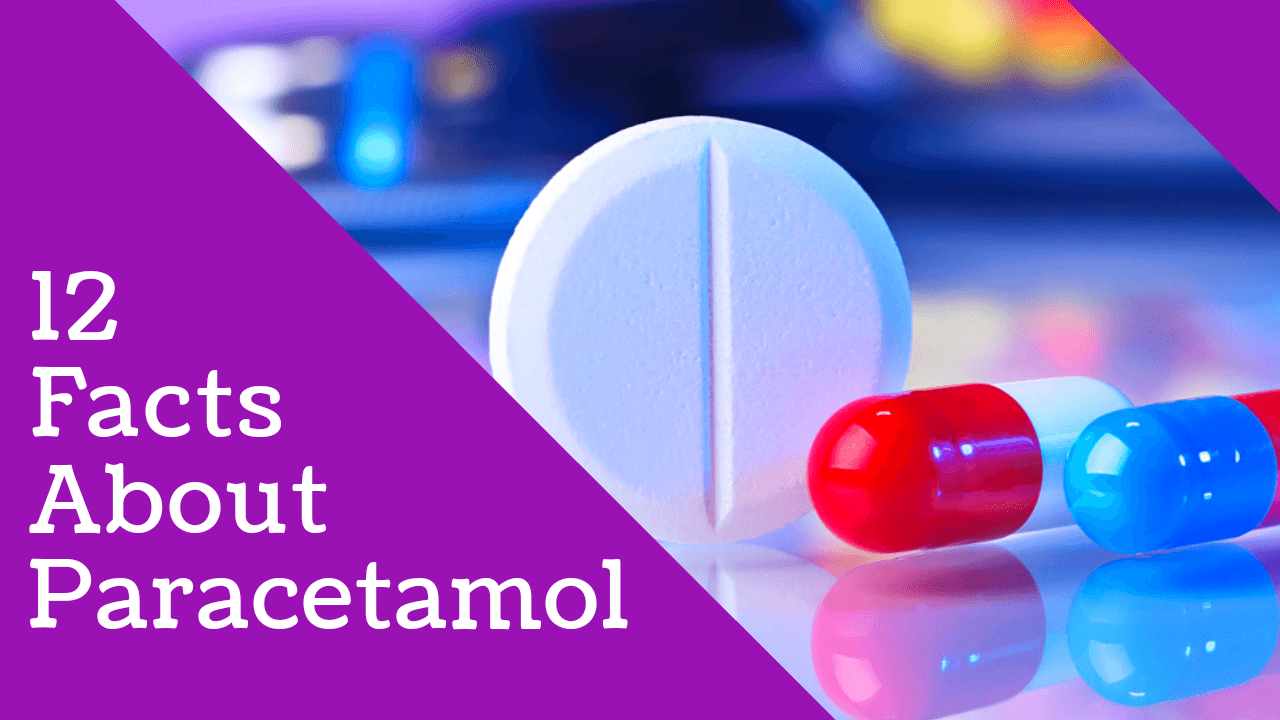
12 Facts about Paracetamol You Should Know

Fact 1: Paracetamol is a drug also known as “acetaminophen”, and its chemical name is “N-acetyl-p-aminophenol”. Fact 2: Acetaminophen is an analgesic and antipyretic, which means that it is used to relieve pain and reduce fever. Fact 3: it was first used in 1887 by the German physician Joseph von Mering in his patients, after it was invented ten years earlier by the American chemist Harmon Northrop Morse. Fact 4: Paracetamol usually comes in the form of 500 mg tablets or capsules, but it can also be in liquid form, and it is usually taken every four or eight hours to relieve pain or fever until the symptoms disappear. Fact 5: Paracetamol overdose may cause liver or kidney damage or stomach problems, and almost all drug overdoses in the English-speaking countries are acetaminophen. Fact 6: This drug  was discontinued 60 years after the first application in 1887 because another substance, phenacetin, was more prevalent. Fact 7: In 1947, paracetamol was fully tested and tested to determine its suitability for patients, and then its use was promoted when it was marketed by Sterling-Winthrop Co in the United States in 1953, although it was not became a widespread drug until the 1970s. Fact 8: it is safe for most people of all ages, although people with liver problems should talk to their doctor before taking it. Fact 9: Chronic paracetamol users may be at an increased risk of developing blood cancers. Fact 10: Some people may experience side effects of abdominal pain or rash after taking acetaminophen and others may be allergic to paracetamol, with symptoms of hives, swelling of the face and / or breathing difficulties. Fact 11: Originally, Acetaminophen needed a prescription for pharmacy sales, but nowadays recipes are rarely needed and it is commonly available in supermarkets in various brand packages. Fact 12: Nobody knows how paracetamol really works. The best theory is; Increases the pain threshold in the central nervous system (brain and spinal cord). Related Article: Strattera Vs Adderall

12 Facts about Paracetamol You Should Know Read More »

50 Things We Should Teach Every New Doctor

Here are 50 essential survival tips every new Doctor must know: Highly qualified skills such as thinking and empathy are now an important part of medical education. Always communicate clearly If your patient does not have medical training, try to explain his conditions in a simple and understandable way. If you are not familiar with the medicine you give, always take the time to consult it. The patient has the right to know about the medication he receives so that you should be armed with the right information and precautions. Always listen to what patients have to say. A good doctor should be open-minded, open, optimistic, objective, attentive. Be attentive Being attentive means focusing on the needs of your patients so that you can do what is best for them. Always caring, concerned, competent, compassionate, self-confident, creative, communicative, calm, comforter, conscientious, compliant, cooperative, cultivated Doctors should give patients the results of their tests on time. Successful doctors know that they must also take care of themselves to be great. It means having hobbies and taking the time to enjoy, take time off, travel and make physical activity a priority in their lives. Technology maximizes technology, which facilitates the delivery of high quality health care. Family practices that integrate electronic health records, videoconferencing and patient communication through new technologies are better positioned to succeed Always be clear when in doubt. Never hesitate to clarify a detail about your patient’s care if you are unsure. Know your own strengths (and weaknesses). Always join a professional organization. A stethoscope can last a lifetime and it will be your most important partner in performing exams.   Do not take anything that says a patient personally angry. Always think before answering. Whenever the patient, parent, or doctor asks you questions, consider the safest way to answer first. It’s better if you are unsure of your answer. Plan the worst and hope for the best. You can not always predict how peaceful or chaotic your quarter will be, so be always ready. Develop your colleagues if they need help. You’ll quickly realize how important it is to have caring employees. When talking to a pharmacist or nurse, write down everything you hear. Never be afraid to ask questions. There is always something to learn in the medical field. Always be on time. Being late is an addictive habit, and you have to break it early. No nurse wants to come home late – remember, if you get the nurse from the previous team. Sleep whenever possible. Inefficiency at work occurs when there is no sleep. You are also more prone to medical errors if you do not have enough peace. Nobody has the right to feel incompetent unless you allow it. Whether you are a new graduate or a veteran with 20 years of experience, there is no reason for anyone to neutralize you. Look beyond your books. You may need to study 24 hours a day, but if you never leave the library, you will miss a lot of what your medical school has to offer. Join the clubs, join the student government, sign up for a committee. Not only do they contribute to the culture of your medical school, but they also make it a rewarding place for other medical students. You never know what connections you will make. Earn that trust.   Training as Someone life depends on You. Never lie to your patient. Remember why you became a doctor The most effective doctors take a moment to think about why they decided to become a doctor. This humbling reminder of her purpose and passion is what drives her from one difficult case to the next. It inspires them to go beyond duty every day and make their patients healthy and happy. A successful physician needs excellent time management skills Successful physicians are organized, proactive and effective. Keep your medical expertise. Take training and certifications to improve your skills and knowledge. A career in the medical profession not only assumes a high level of skill and intelligence, but also requires a level of dedication that is difficult for most people to understand until they choose a medical program. Invest in continuing education as a nurse. This is useful for updating and improving your skills and knowledge. Stay calm all the time. Focus on things that should be a priority, especially in times of stress. Respect everyone Be it your employees, your colleagues or, more importantly, your patients, show respect to the person you are dealing with. Educate the patient and the relatives of the patient. Health education is an important part of patient care. Never forget why you became a doctor. Think about it every time you feel tired, depressed or exhausted. This will help you to go through difficult times as a doctor. Give yourself an exhausting change at the end. This gives you the energy and motivation to continue the next day. Set goals Where would you like to be in 5 years? When you set your career goals, you can maximize your profession as a doctor. They should create a space for growth. Find a mentor at your workplace. A senior support physician will help you master the hard times. Get in the habit of learning about the medications you are going to give. Look in drug manuals and look for drug interactions. Over time, you will notice the medications commonly used in your unit. If you are not sure, ask three people. For example, if you are not sure that the ordered dose is correct, ask your elder’s advice. Maintain your integrity Never do anything fishy. If you have prescribed the wrong medication, report it. If your patient has fallen out of bed, report it immediately to your supervisor. If you prescribe a medicine, check everything. Remember the 5 rights – the right drugs, the right patients, the right time, the right dose and the right path.   Successful doctors know their patient base. Physicians are looking for

50 Things We Should Teach Every New Doctor Read More »

Rosuvastatin: Uses, Side Effects, Dosage

Rosuvastatin belongs to a group of medicines known as “statins.” It is used to reduce bad cholesterol and increase good cholesterol (HDL), reduce triglycerides, slow the progression of heart disease, prevent heart attacks and prevent strokes. Use of rosuvastatin Treat high cholesterol Prevent Strokes Slow progression of heart disease Prevent heart attack Used to treat abnormal lipids Precautions Tell your doctor or pharmacist if you are allergic to it before taking rosuvastatin; or if you have any other allergies This product may contain inactive ingredients that may cause allergic reactions or other problems. Talk to your pharmacist for more details. Mechanism of action Rosuvastatin (Crestor) competitively inhibits HMG coenzyme A reductase, a limiting step in the synthesis of cholesterol. The reduction in cholesterol synthesis results in a compensatory increase in plasma cholesterol absorption mediated by the increase in the number of LDL receptors. Therefore, the level of LDL in the plasma decreases. Side effects: The most common side effects that you can experience with rosuvastatin are: Abdominal pain (abdominal area) Headaches Weakness Muscle pain Nausea Serious side effects include: Heavy muscular problems Liver problems Rosuvastatin in pregnancy and lactation Pregnant women should not use statins because of the high risk of fetal harm.There is no information on whether rosuvastatin is excreted in breast milk.   Dosage for rosuvastatin The initial dose for most adults is 5 mg once a day. The maximum dose is 40 mg daily and this dose should be reserved for patients who do not respond adequately at a dose of 20 mg. The initial dose for hyperlipidemia in adults is 10 mg to 20 mg orally once a day and then a maintenance dose of 5 mg to 40 mg orally once a day. The initial dose for type III hyperlipoproteinemia (high beta-VLDL + IDL) in adults is 10 mg to 20 mg orally once a day and then a maintenance dose of 5 mg to 40 mg orally once a day. day The initial dose for hypertriglyceridemia is 10 mg to 20 mg orally once a day and a maintenance dose of 5 mg to 40 mg orally once a day. The initial dose for atherosclerosis in adults is 10 mg to 20 mg orally once a day and maintenance dose of 5 mg to 40 mg orally once a day. The initial dose for the prevention of cardiovascular diseases is 10 mg to 20 mg once a day and a maintenance dose of 5 mg to 40 mg once a day  

Rosuvastatin: Uses, Side Effects, Dosage Read More »

Nifedipine: Uses, Side Effects, Dosage

Uses of nifedipine Nifedipine belongs to a group of medicines called calcium channel blockers. It treats high blood pressure and angina (chest pain). Mechanism of action Nifedipine reduces arterial smooth muscle contractility and subsequent vasoconstriction by inhibiting the influx of calcium ions through the L-type calcium channels. The calcium ions entering the cell through these channels bind to the calmodulin. Calcium-bound calmodulin binds and activates myosin light chain kinase (MLCK). Activated MLCK catalyzes the phosphorylation of the myosin light chain regulatory subunit, a critical step in muscle contraction. Signal enhancement is achieved by releasing calcium-induced by sarcoplasmic reticulum ryanodine receptors. Inhibition of initial calcium influx inhibits smooth muscle cell contractile processes, causes dilation of coronary and systemic arteries, increases myocardial tissue oxygenation, decreases overall peripheral resistance, lowers systemic blood pressure, and reduces afterload. The vasodilatory effects of nifedipine cause a general decrease in blood pressure.   Side effects The most common side effects that may occur are: Nausea A headache Dizziness Redness (redness of the skin) Muscle cramps Constipation A cough The decreased ability or sexual desire Edema (swelling in the legs or feet) Weakness Serious side effects include: Edema (fluid retention). Allergic reaction Low blood pressure or low heart rate Liver damage Chest pain (angina) that is worse or more common Nifedipine in pregnancy Nifedipine should not be used generally during pregnancy as its safety is not yet fully assured. It is sometimes used to control high blood pressure during pregnancy. In this case, the potential risks of nifedipine in the unborn child must be weighed against the potential risk of uncontrolled maternal hypertension. Your doctor, pharmacist, or midwife may give you more information and advice on the possible effects of nifedipine on your baby and the risks associated with the treatment of high blood pressure Nifedipine Dosage The usual dose for the treatment of angina is 10 to 20 mg three times a day. Up to 20 to 30 mg may be required every 6-8 hours daily. The dose should not exceed 180 mg daily. For prolonged-release tablets, the usual dose is 30 or 60 mg once daily. The maximum dose is 120 mg daily. Hypertension is treated with 30-60 mg daily using prolonged-release tablets. The maximum dose is 90 mg / day or 120 mg / day . Related Article: Carvedilol: Uses, Side Effects, Dosage

Nifedipine: Uses, Side Effects, Dosage Read More »

Whole Pharmacology Classification

Pharmacology is the study of how medicinal substances interact with living systems. Pharmacology is the study of drugs, their nature, their sources, and their properties, absorption, distribution, biotransformation, elimination, interactions, toxicology, and therapeutic applications. Pharmacology is the study of the body’s reaction to drugs or Pharmacology is the study of Pharmacokinetics and Pharmacodynamics of a drug. You can learn more Pharmacology ⇐here Here is a list of Pharmacology Classification of drugs which every pharmacist and medical student should know. We already have a shared pharmacology drug classification chart on our Facebook page many times. But here we will share some authentic classification from various Pharmacology books. The Following is a drug classification for nurses, doctors, and pharmacists. Pharmacology classification   1. Adrenergic Antagonists Further classified into a) Alpha Adrenergic Antagonists They can be classified into three groups; List of Drugs  Mainly Alpha 1 antagonists Prazosin Doxazosin Terazosin Tamsulosin Alfuzosin Indoramin Urapidil Mainly Alpha 2 Antagonists: Yohimbine Tolazoline Alpha 1 And Alpha 2 Antagonists: Phenoxybenzamine Phentolamine b) Beta-Adrenergic Antagonists Beta 1 And Beta 2 Antagonists Propranolol Pindolol Penbutolol Nadolol Carteolol Timolol Sotalol Mainly Beta 1 Antagonists Acebutolol Atenolol Alprenolol Betaxolol Celiprolol Metoprolol Esmolol Nebivolol 2. Adrenergic Agonists Direct action These drugs act directly on one or more adrenergic receptors. According to receptor selectivity, they are two types: Non-selective: drugs act on one or more receptors; these are: List of Drugs  Adrenaline (almost all adrenergic receptors). Noradrenaline (acts on α1, α2, β1). Isoprenaline (acts on β1, β2, β3). Dopamine (acts on α1, α2, β1, D1, D2). Selective: drugs which act on a single receptor only; these are further classified into List of Drugs α selective & β selective. α1 selective: Phenylephrine, Methoxamine, Midodrine, Oxymetazoline. α2 selective: α-Methyldopa, clonidine, brimonidine. β1 selective: Dobutamine. β2 selective: Salbutamol/Albuterol, Terbutaline, Salmeterol, Formoterol, Pirbuterol. [1] Indirect action List of Drugs  Amphetamines Cocaine Methylenedioxymethamphetamine (MDMA) Tyramine Nicotine Caffeine Methylphenidate Mixed action Ephedrine Pseudoephedrine Pharmacology Classification 3. Cholinergic  Agonists Direct and indirect-acting Agonists List of Drugs 1. Direct Acting Agonist Drugs: Are further divided into two groups a. Choline Esters Acetylcholine Methacholine Carbachol Bethanechol b. Cholinomimetic alkaloids Muscarine Nicotine Pilocarpine Lobeline 2. Indirect Acting Drugs: List of Drugs  a. Reversibly Acting: Neostigmine Physostigmine Demecarium Pyridostigmine Ambenonium b. Irreversible Acting: Echothiophate Parathion Malathion Tetraethyl Pyrophosphate 4. Pharmacology Classification of Cholinergic Antagonists List of Drugs  Antimuscarinic agents Atropine Benztropine Biperiden Chlorpheniramine Dicyclomine Dimenhydrinate Diphenhydramine Doxepin Doxylamine Glycopyrrolate Ipratropium Orphenadrine Oxitropium Oxybutynin Propantheline bromide Tolterodine Tiotropium Trihexyphenidyl Scopolamine Solifenacin Tropicamide Antinicotinic agents Bupropion Dextromethorphan Doxacurium Hexamethonium Mecamylamine Tubocurarine Also, Read Pain & Inflammation Supplements Relief Factor Review: Does it Works Or a Scam? Arthrozene Review: Does This Joint Supplement Works? Heal n Soothe Review: Does it Work? 5. Pharmacology Classification of Antianginal Drugs List of Drugs  a) Organic Nitrates Nitroglycerin Isosorbide Dinitrate Isosorbide Mononitrate Amyl nitrite b) Calcium Channel Blockers List of Drugs  Further Divided Into 1. Dihydropyridine Nifedipine Nicardipine Amlodipine Nisoldipine Nitrendipine Nimodipine 2. Miscellaneous Drugs Verapamil Diltiazem Bepridil c) Beta-Blockers Further Divided Into 1. ß 1 + ß 2 Antagonists Propranolol Penbutolol Sotalol Pindolol Timolol 2. ß 1 Selective Antagonist Metoprolol Atenolol Esmolol Acebutolol Betaxolol 6. Drugs used in Congestive cardiac failure Drugs Used For Congestive Cardiac Failure are, 1) Drugs used to decrease preload: Diuretics Organic nitrate 2) Drugs which decrease afterload Hydralazine Minoxidil 3) Drugs which decrease both preload and afterload: Captopril Enalapril Lisinopril Fosinopril Quinapril 4) Positive inotropic drugs: They can be further divided into three groups; A. Cardiac glycosides: Digoxin Digitoxin Ouabain Lanatoside. 2) Phosphodiesterase inhibitors: Inamrinonone (Amrinone) Milrinone 3.Sympathomimetics: Dopamine Dobutamine Depoxamine Xamoterol 7. Pharmacology Classification  of Antiplatelet Drugs Antiplatelet List of drugs include: Anagrelide Aspirin clopidogrel prasugrel ticagrelor tirofiban vorapaxar dipyridamole 8.  Anticoagulant Drugs List of drugs in this class include: warfarin dabigatran edoxaban rivaroxaban apixaban Pharmacology drugs classification 9. Diuretics Thiazides diuretics List of Drugs  Chlorothiazide Chlorthalidone Indapamide Hydrochlorothiazide Methyclothiazide Metolazone Loop diuretics List of Drugs  Bumetanide Furosemide Ethacrynate Torsemide Potassium-sparing diuretics Amiloride hydrochloride spironolactone triamterene Related Article  Best Folding Mobility Scooters 20 Best Stethoscopes For Nurses And Doctors Capillus Laser Cap Review Nutrafol Review: Is it worth it? Zyrexin Review: Does it work and Is it Worth It? 10. Pharmacology Classification of Statins Statins that are approved for use in the U.S. include: List of Drugs  Atorvastatin Fluvastatin Lovastatin Pravastatin Rosuvastatin Simvastatin Pitavastatin 11.Thrombolytic Drug Thrombolytic List of Drugs  — include: Anistreplase Reteplase Streptokinase, kabikinase t-PA (class of drugs that includes Activase) TNKase (tenecteplase) Abbokinase, Kinlytic (rokinase) 12. Pharmacology Classification of Sedative Hypnotic 1. Sedative Anxiolytic Drugs  Benzodiazepines List of Drugs  Alprazolam Bromazepam Chlordiazepoxide Clonazepam Clorazepate Diazepam Flurazepam Lorazepam Oxazepam Temazepam Triazolam Barbiturates barbiturates include: Phenobarbital Mephobarbital Amobarbital sodium Butabarbital sodium Secobarbital sodium 2. Non Sedative  Buspirone Gepirone Ipsapirone Tandospirone 13. Antidepressants List of Drugs 1. Tricyclic Antidepressant Amitriptyline Amoxapine Desipramine Doxepin Imipramine Nortriptyline Protriptyline Trimipramine 2. Selective serotonin reuptake inhibitors (SSRIs) Citalopram Escitalopram Paroxetine Fluoxetine Fluvoxamine Sertraline 3. Serotonin–norepinephrine reuptake inhibitors (SNRIs) Desvenlafaxine Duloxetine Levomilnacipran Milnacipran Venlafaxine 4. Serotonin modulators and stimulators (SMS) Vilazodone Vortioxetine 5. Norepinephrine reuptake inhibitors (NRIs) Reboxetine Teniloxazine Viloxazine 6. Monoamine Oxidase Inhibitors Isocarboxazid Phenelzine Selegiline Tranylcypromine 14. Antipsychotic Drugs Aripiprazole Asenapine Cariprazine Clozapine Lurasidone Olanzapine Quetiapine Risperidone Ziprasidone 15. Anti epileptic Drugs Absence seizures (including typical and atypical absences): List of Drugs Acetazolamide Clonazepam Ethosuximide Lamotrigine Sodium valproate Atonic seizures: Phenobarbital Phenytoin Primidone Sodium valproate Catamenial seizures (menstrual-related): Acetazolamide Clobazam Cluster seizures: Clobazam Episodic disorders: Acetazolamide Dravet syndrome (severe myoclonic epilepsy in infancy or SMEI): Stiripentol Focal (partial) seizures: Acetazolamide Carbamazepine Clobazam Clonazepam Eslicarbazepine acetate Gabapentin Lacosamide Lamotrigine Levetiracetam Oxcarbazepine Perampanel Phenobarbital Phenytoin Pregabalin Primidone Retigabine Sodium valproate Tiagabine Topiramate Vigabatrin Zonisamide Focal (partial) seizures with secondary generalisation: Gabapentin Lacosamide Levetiracetam Perampanel Phenobarbital Phenytoin Pregabalin Primidone Retigabine Sodium valproate Tiagabine Topiramate Vigabatrin Zonisamide Focal seizures with secondary generalised tonic clonic seizures: Carbamazepine Eslicarbazepine acetate Lamotrigine Oxcarbazepine Infantile spasms: Nitrazepam Sodium valproate Vigabatrin Juvenile Myoclonic Epilepsy (seizures related to): Levetiracetam Lennox-Gastaut syndrome (seizures related to): Lamotrigine Rufinamide Topiramate Myoclonic seizures: Clonazepam Ethosuximide Phenobarbital Phenytoin Primidone Piracetam Sodium valproate Tonic seizures: Phenobarbital Phenytoin Primidone Sodium valproate Tonic clonic seizures: Acetazolamide Carbamazepine Clobazam Clonazepam Eslicarbazepine acetate Lamotrigine Phenobarbital Phenytoin Primidone Sodium valproate Topiramate West Syndrome with Tuberous Sclerosis: Vigabatrin 16. Pharmacology drugs classification Anesthetic Drugs List of Drugs 

Whole Pharmacology Classification Read More »

Acebutolol: Uses, Side Effects, Dosage etc

Uses Acebutolol belongs to a class of medications called beta-blockers. Relaxes blood vessels and slows heart rate It treats high blood pressure and irregular heartbeat (arrhythmia). Lowering high blood pressure helps prevent strokes, heart attacks, and kidney problems. Treating an irregular heartbeat helps the heart function better and with less effort. The irregular heartbeat can be severe and sometimes even cause a heart attack. This prescribed medication is sometimes also used to treat chest pain associated with coronary heart disease. The United States Food and Drug Administration (FDA) approved acebutolol in 1984. Mechanism of action Acebutolol is a selective β1 receptor antagonist. Activating the β1 receptors by adrenaline increases the heart rate and blood pressure, and the heart consumes more oxygen. It blocks these receptors and reduces heart rate and blood pressure. This medicine has the reverse effect of adrenaline. Beta-blockers also prevent the release of renin, a hormone produced by the kidneys that cause the constriction of blood vessels. Acebutolol Side effects The most common side effects are: A heart rate slower than normal Dizziness Fatigue Headaches Constipation Diarrhea Upset stomach (indigestion) Muscle pain or pain While serious side effects include the following: Very low blood pressure. Very slow heartbeat. Weak circulation Erectile dysfunction. Pain when urinating Liver damage The systemic lupus erythematosus (SLE), a condition in which your immune system attacks parts of your body. Pregnancy and Acebutolol Acebutolol should only be used during pregnancy if necessary. This medicine passes into breast milk. Do not breastfeed a baby while taking this medicine. Tell your doctor if you are pregnant or plan to become pregnant. You should discuss the risks and benefits of taking this medication during pregnancy. Dosage Acebutolol can be taken with or without food, usually once or twice a day. The dose should be reduced in patients with renal insufficiency since renal or hepatic disease reduces the elimination of acebutolol. Initial Adult Dose for Hypertension is 400 mg orally per day in 1 to 2 divided doses while the maintenance dose is 400 to 800 mg orally per day Initial Adult Dose for Ventricular Arrhythmia is 200 mg orally twice daily and the maintenance dose is 600 to 1200 mg orally daily. Read More Drugs & Medicine

Acebutolol: Uses, Side Effects, Dosage etc Read More »

Zaleplon: Uses, Side Effects, Dosage

Indications Zaleplon is used for a short time to treat people who have difficulty falling asleep. If you have other sleep problems, such as being unable to sleep at night, these medications may not be right for you. It is known as a hypnotic. It works on certain brain centers to help you relax and help you fall asleep faster. Mechanism of action of Zaleplon Zaleplon exerts its effect by modulating the chloride channel macromolecular complex of the GABA-BZ subunit receptor. it binds selectively to the presence of the omega-1 receptor omega-1 receptor on the GABA-A ion channel alpha subunit/complex chloride and potentiates t-butyl-bicyclophosphorothionate (TBPS) binding. Side effects: The common side effects are: Drowsiness, Dizziness; Problems with memory or concentration, Short-term memory loss, Numbness or tingling, Difficulties of coordination (especially in the first 2 hours after taking the drug), Feeling of “hangover”, Depression, Anxiety Problems with vision, Nervous feeling, Abdominal pain, A headache Nausea, Loss of appetite, Dry mouth, Constipation, Increased menstrual cramps, Joint or muscle pain, Back pain, or Slight rash. While the serious side effects including: Mental / mood changes (agitation, confusion, hearing or visual that are not there, rare suicidal thoughts), or Unusual behavior Zaleplon during pregnancy and lactation Tell your doctor if you are pregnant or plan to become pregnant. It is not known if zaleplon will harm your unborn baby.Zaleplon is excreted in human breast milk will harm. It is recommended that breastfeeding mothers do not take this drug. Dosage: The recommended dose is 5 to 20 mg at bedtime to help you fall asleep. Because of its short duration of action, it is ineffective for people who wake up at night. It should be taken immediately before bedtime or after bedtime. Taking Zaleplon with a high-fat meal slows down and may slow the onset of the effect. Related Article: Information About Rosuvastatin

Zaleplon: Uses, Side Effects, Dosage Read More »

Chlorphenamine (Piriton): Uses, Side Effects, Dosage

Chlorpheniramine (Piriton) belongs to a group of drugs known as sedating antihistamine that reduces the effects of the natural chemical histamine in the body. Histamine can cause symptoms such as sneezing, itching, watery eyes, and runny nose. Chlorpheniramine (Piriton) Uses: Chlorpheniramine (Piriton) is used for the symptomatic relief of allergies such as Hay fever, Urticaria, Food Allergy, Drug Reactions, A runny nose, Sneezing, itching, Watery eyes caused by allergies, Colds or flu, Emergency Treatment Of Anaphylactic Reactions. Chlorpheniramine (Piriton) Mechanism Of Action Piriton products contain the active ingredient chlorphenamine maleate, a type of medicine called the calming antihistamine. It works by avoiding the effects of histamine, a substance that is produced by the body when it reacts to a foreign substance such as pollen or the coat of pets (an allergen). Histamine causes a chain reaction that causes allergic symptoms. In allergies such as hay fever and pet allergies, histamine causes inflammation of the nose, eyes, or respiratory tract, resulting in itchy eyes, watery nose, stuffy nose, and sneezing. In allergic skin reactions, histamine causes dermatitis, rashes, and itching. Chlorphenamine blocks the histamine receptors and therefore stops the chain reaction that causes the symptoms of the allergy. It usually begins to relieve symptoms within half an hour to an hour after taking a dose. Chlorphenamine is referred to as a sedative antihistamine because it enters the brain in significant amounts and causes drowsiness. The antihistamine action and the fact that it causes drowsiness makes chlorpheniramine also useful in relieving the itching caused by chickenpox. It can be especially useful for itching, which gets worse at night. This is often the case in children who notice less itching during the day when they are active, but it bothers them at night when they are quiet and have nothing left to concentrate on. Piriton Side effects Chlorphenamine (Piriton) Can cause Some Side effects along with their useful effects which are: Drowsiness, Dizziness, A headache, Constipation, Upset stomach, Blurred vision, Decreased coordination or dry mouth/nose/throat may occur. These effects may decrease as your body adapts to the medication. If any of these effects persist or worsen, contact your doctor or pharmacist immediately. Piriton In Pregnancy: Most manufacturers advise avoiding the use of Piriiton In Pregnancy, However, There is no evidence of teratogenicity. But Using Piriton in the Third Trimester of Pregnancy may cause adverse effects in neonates such as irritability, tremor, and paradoxical excitability. Dosage: Adults and children over 12 years: 1 tablet for 4 to 6 hours. Maximum daily dose: 6 tablets (24 mg) in 24 hours Elderly: Older people have more frequent neurological anticholinergic effects. The use of a lower daily dose (eg maximum of 12 mg in 24 hours) should be considered. Children from 6 to 12 years: ½ tablet from 4 to 6 hours. Maximum daily dose: 3 tablets (12 mg) in 24 hours Not recommended for children under 6 years. Related Article: Terbutaline: Uses, Side Effects, Dosage

Chlorphenamine (Piriton): Uses, Side Effects, Dosage Read More »