LifeCell Skin Review: Is It Worth Your Money? [Expert Analysis]

LifeCell Skin Review: Is It Worth Your Money? [Expert Analysis]

Manzoor Khan - Pharmacist
Manzoor Khan, RPh
Licensed Pharmacist | 10+ Years in Supplement Research & Health Writing
Medically Reviewed By
Sajid Ali
Pharm.D, MPhil, PhD Scholar | View Profile
Published: October 17, 2025 | Last Updated: October 17, 2025

Have you spent hundreds of dollars on anti-aging creams that promised miracles but delivered disappointment?

You’re not alone. The skincare industry is flooded with products making bold claims about reversing wrinkles, erasing fine lines, and restoring youthful radiance. LifeCell Skin has been one of the most talked-about anti-aging treatments since its launch, backed by celebrity endorsements and aggressive marketing campaigns.

But here’s the critical question: Does LifeCell actually deliver on its promises, or is it just another expensive cream with more hype than results?

As a licensed pharmacist with over a decade of experience analyzing skincare formulations and supplement ingredients, I’ve seen countless products come and go. In this comprehensive review, I’ll break down LifeCell’s ingredients, examine the scientific evidence, analyze real customer experiences, and help you determine whether this premium-priced cream deserves a place in your skincare routine.

This isn’t a promotional piece. My goal is to provide you with an honest, evidence-based assessment so you can make an informed decision about whether LifeCell is right for your skin and your budget.
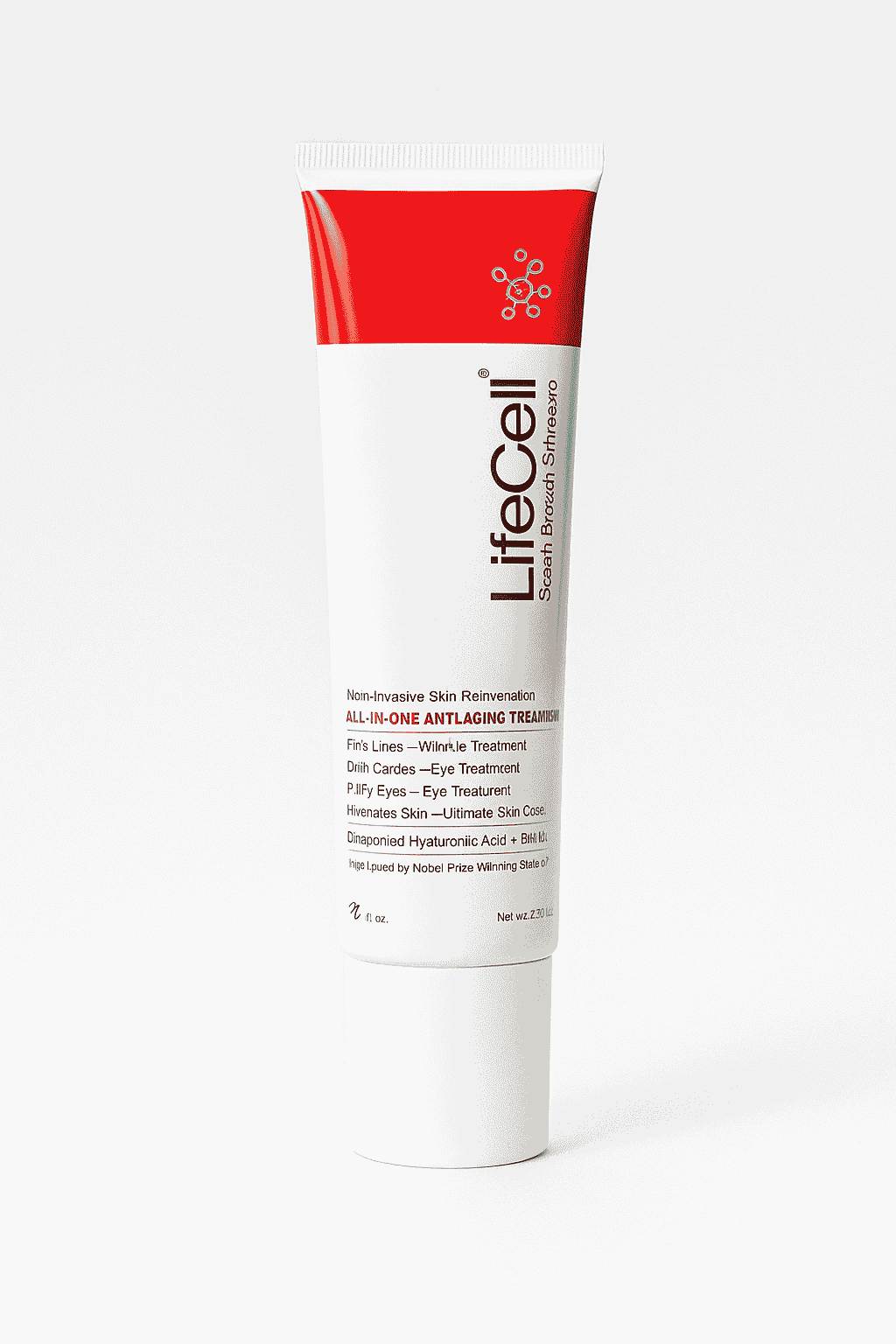
LifeCell All-In-One Anti-Aging Treatment

LifeCell All-In-One Anti-Aging Treatment

Quick Product Overview
Type: All-in-one anti-aging topical treatment
Manufacturer: South Beach Skincare
Size: 2.54 oz (75 ml) per bottle
Price: Approximately $189 per bottle
Key Claims: Reduces wrinkles, tightens skin, diminishes dark circles
Money-Back Guarantee: 120 days (with conditions)
What We Appreciate
+ Contains several evidence-backed anti-aging ingredients like retinol and hyaluronic acid
+ Comprehensive formula addressing multiple aging concerns in one product
+ Dermatologist-tested formulation from established manufacturer
+ Four-month money-back guarantee provides some purchase protection
+ Suitable for both men and women
Areas of Concern
Premium price point ($189/bottle) significantly higher than comparable alternatives
Limited clinical studies specifically on the complete LifeCell formulation
Mixed customer reviews with reports of skin irritation and minimal results
Proprietary blend lacks complete transparency on ingredient concentrations
Some customers report difficulty with return/refund process

How We Evaluated LifeCell Skincare

As healthcare professionals with extensive experience in supplement and skincare analysis, we evaluated LifeCell using a rigorous, multi-factor assessment framework. Our evaluation goes beyond marketing claims to examine scientific evidence, safety profiles, and real-world effectiveness.

🛡️ Safety & Efficacy Profile
We assessed LifeCell’s safety based on ingredient research, reported side effects, and potential contraindications. While the formula contains generally recognized safe ingredients, some users have reported skin irritation, redness, and allergic reactions. The product lacks comprehensive clinical trials on the complete formulation, relying instead on studies of individual ingredients. Pregnant women, nursing mothers, and individuals with sensitive skin should exercise caution and consult healthcare providers before use. The 120-day money-back guarantee does provide some recourse if adverse reactions occur.
Ingredient Safety
7.8/10
Clinical Evidence
6.5/10
Side Effect Profile
7.2/10
User Satisfaction
5.8/10
🔬 Ingredient Transparency & Dosing
LifeCell lists its active ingredients but uses a proprietary blend approach for some components, which limits complete transparency. While key ingredients like retinol, hyaluronic acid, and peptides are disclosed, their exact concentrations aren’t fully revealed. This makes it challenging to compare dosages with clinically studied amounts. The formula contains approximately 40 ingredients, including both natural and synthetic compounds. Some ingredients have strong scientific backing, while others rely more on traditional use than peer-reviewed research. The product is free from parabens but does contain synthetic fragrances that may irritate sensitive skin.
Dosage Disclosure
5.5/10
Ingredient Quality
7.5/10
Formula Transparency
6.0/10
Label Completeness
7.0/10
🏭 Manufacturing Standards & Quality Control
South Beach Skincare, the manufacturer of LifeCell, claims to follow good manufacturing practices, though specific third-party certifications are not prominently displayed. The product is dermatologist-tested, which provides some quality assurance. However, we could not locate public Certificates of Analysis (COA) or verification from independent testing organizations like NSF International, USP, or ConsumerLab. This lack of third-party verification makes it difficult to independently confirm product purity, potency, and freedom from contaminants. For premium-priced products, more robust third-party testing would significantly boost consumer confidence.
GMP Compliance
6.8/10
Third-Party Testing
4.5/10
Quality Documentation
5.2/10
Manufacturing Transparency
5.8/10
Brand Reputation & Credibility
South Beach Skincare has been in the market since the early 2010s and gained significant visibility through celebrity endorsements around 2015. The brand has an established online presence and sells through multiple channels including Amazon and their official website. Customer reviews are decidedly mixed, with ratings ranging from enthusiastic praise to strong disappointment. On Amazon, the product has garnered several hundred reviews with an average rating around 3.5-4 stars. Trustpilot reviews show similar variability. We found no FDA warning letters or major regulatory issues associated with the brand, which is positive. However, some customers report challenges with the auto-ship program and refund process, which impacts overall trustworthiness.
Customer Reviews
6.2/10
Brand Transparency
6.6/10
Customer Service
5.8/10
Market Longevity
7.5/10
📊 Scientific Evidence Strength
The scientific backing for LifeCell is mixed. Individual ingredients like retinol, hyaluronic acid, and certain peptides have robust peer-reviewed research supporting their anti-aging benefits in human studies. However, the complete LifeCell formulation has not undergone comprehensive clinical trials published in peer-reviewed journals. Many ingredient benefits are supported by in vitro (test tube) studies or animal research, which doesn’t always translate to human skin. Some ingredients like apple stem cells and Matrixyl 3000 have limited but promising evidence. The absence of published clinical trials specifically on LifeCell’s complete formula is a significant gap, especially given its premium pricing. Evidence for individual components ranges from strong (retinol, hyaluronic acid) to emerging (peptides, plant stem cells) to largely anecdotal (some botanical extracts).
Human Clinical Studies
5.5/10
Peer-Reviewed Research
6.8/10
Evidence Quality
6.4/10
Claim Substantiation
6.0/10
💰 Price & Value Assessment
At approximately $189 per 2.54 oz bottle (roughly $74 per ounce), LifeCell sits at the premium end of the anti-aging cream market. A single bottle typically lasts about two months with regular use, translating to roughly $95 per month. Compared to alternatives with similar or superior ingredient profiles, LifeCell is significantly more expensive. For context, highly-rated competitors like Kollagen Intensiv cost around $50 per month supply with comparable or better clinical backing. The cost-per-serving analysis reveals that you’re paying a substantial premium, likely due to marketing and celebrity endorsements rather than ingredient superiority. While the 120-day money-back guarantee provides some value protection, several customers report difficulties with the refund process. The product is available for one-time purchase or through auto-ship subscriptions, though some users warn about subscription traps.
Affordability
3.5/10
Value for Money
4.8/10
Cost vs. Alternatives
4.2/10
Purchase Flexibility
6.5/10

What Is LifeCell? Understanding This Anti-Aging Treatment

LifeCell is marketed as an all-in-one anti-aging topical treatment designed to address multiple signs of aging simultaneously. Manufactured by South Beach Skincare, this dermatologist-tested cream claims to reduce wrinkles, tighten sagging skin, diminish under-eye puffiness and dark circles, and improve overall skin texture and tone.

The product gained considerable attention in 2015 when South Beach Skincare invested heavily in marketing, including celebrity endorsements and infomercial campaigns. The company positions LifeCell as a comprehensive solution that can replace multiple skincare products, theoretically simplifying your routine while delivering professional-level results at home.

According to the manufacturer, LifeCell works by combining powerful anti-aging ingredients including peptides, antioxidants, and skin-tightening compounds into a single formulation. The cream is designed for both men and women and can be applied to the face, neck, and décolletage areas where aging signs typically appear first.

The brand has expanded beyond the original LifeCell cream to include complementary products like cleansers, eye serums, and moisturizers, though the flagship all-in-one treatment remains their most recognized product. For more comprehensive information about effective skin supplements and treatments, you can explore evidence-based alternatives.

Key Product Claims (What the Company Says)

South Beach Skincare makes several specific claims about LifeCell’s capabilities:

Immediate Results: Visible reduction in wrinkles and fine lines within minutes of application due to an “instant firming” effect
Long-Term Benefits: Continued improvement in skin elasticity, firmness, and texture with regular use over 6-8 weeks
Multi-Functional: Replaces the need for separate eye creams, serums, moisturizers, and firming treatments
Dark Circle Reduction: Diminishes under-eye bags and dark circles through improved circulation and lymphatic drainage
Safe Alternative to Procedures: Provides benefits similar to Botox or dermal fillers without needles or downtime

The Reality: What the Evidence Shows

While LifeCell contains legitimate anti-aging ingredients, the reality is more nuanced than the marketing suggests. The “instant firming” effect is primarily due to film-forming ingredients that create a temporary tightening sensation on the skin’s surface. This cosmetic effect washes off and doesn’t represent actual structural changes to skin tissue.

The long-term benefits depend heavily on the concentration and quality of active ingredients like retinol and peptides. Since LifeCell doesn’t fully disclose exact concentrations, it’s difficult to verify whether therapeutic amounts are present. Some ingredients have strong scientific backing (retinol, hyaluronic acid), while others have limited human research (apple stem cells).

No topical cream can truly replicate the results of medical procedures like Botox, which works by temporarily paralyzing facial muscles, or dermal fillers that physically plump skin. Peptides like Acetyl Hexapeptide-3 (sometimes called “topical Botox”) may have mild muscle-relaxing properties, but the effects are significantly more subtle and temporary than injectable treatments.

LifeCell Ingredients: A Detailed Pharmacological Analysis

The effectiveness of any skincare product ultimately depends on its ingredients, their concentrations, and how they interact with your skin. LifeCell contains approximately 40 ingredients, but I’ll focus on the key active compounds that have the most significant impact on skin aging. As a pharmacist, I’ve analyzed each ingredient based on peer-reviewed research and clinical evidence.

1. Deanol (DMAE – Dimethylaminoethanol)

Deanol is an organic compound that functions as a precursor to acetylcholine, a neurotransmitter. In skincare, DMAE is claimed to tighten and firm skin by stabilizing cell membranes and reducing the production of arachidonic acid, which contributes to aging.

A study published in the American Journal of Clinical Dermatology found that topical DMAE may improve skin firmness and reduce signs of aging. However, the evidence is limited, with only a few small studies available. Some dermatologists remain skeptical about its long-term efficacy and safety, as DMAE can cause skin irritation in some individuals.

Typical Effective Dose: 3-5% concentration in topical formulations
LifeCell Concentration: Not disclosed (proprietary blend)
View Clinical Study
2. Ubiquinone (Coenzyme Q10)

Ubiquinone, commonly known as Coenzyme Q10 (CoQ10), is a powerful antioxidant naturally produced by the body that decreases with age. In skincare, CoQ10 protects against photodamage from UV radiation, reduces oxidative stress, and may support cellular energy production needed for skin repair and regeneration.

Research published in Biofactors demonstrates that topical CoQ10 can penetrate the skin layers and reduce oxidative damage caused by UV exposure. Studies show it may reduce wrinkle depth and improve skin smoothness when applied consistently over several weeks.

Typical Effective Dose: 0.3-1% concentration
LifeCell Concentration: Not disclosed
View CoQ10 Research
3. Ascorbyl Palmitate (Vitamin C Ester)

Ascorbyl palmitate is a fat-soluble form of vitamin C that combines ascorbic acid with palmitic acid. This modification makes it more stable and better able to penetrate the skin’s lipid barrier compared to pure ascorbic acid. Vitamin C is essential for collagen synthesis, the structural protein that keeps skin firm and elastic.

Multiple studies, including research in the Journal of Clinical and Aesthetic Dermatology, confirm that topical vitamin C derivatives can stimulate collagen production, reduce hyperpigmentation, and provide antioxidant protection against environmental damage. However, ascorbyl palmitate is less potent than L-ascorbic acid, requiring higher concentrations for equivalent results.

Typical Effective Dose: 5-15% concentration
LifeCell Concentration: Not disclosed
Note: Stability and formulation pH are critical for vitamin C efficacy
View Vitamin C Study
4. Acetyl Hexapeptide-3 (Argireline)

Often marketed as “topical Botox,” Acetyl Hexapeptide-3 is a synthetic peptide that theoretically works by interfering with the SNARE complex, a group of proteins involved in muscle contraction. By reducing muscle movement, it may decrease expression lines (wrinkles caused by facial expressions).

Research on Argireline shows mixed results. A study in the International Journal of Cosmetic Science found a 30% reduction in wrinkle depth after 30 days of use with 10% concentration. However, other research suggests the effects are modest and nowhere near as dramatic as injectable Botox. The peptide’s large molecular size also makes skin penetration challenging.

Typical Effective Dose: 5-10% concentration for optimal results
LifeCell Concentration: Likely lower (not disclosed)
Reality Check: Effects are subtle compared to Botox injections
View Peptide Research
5. Retinol (Vitamin A)

Retinol is the gold standard in anti-aging skincare with decades of research supporting its efficacy. As a vitamin A derivative, retinol accelerates cell turnover, stimulates collagen production, reduces hyperpigmentation, and improves skin texture. It’s one of the few topical ingredients with robust evidence for actually reversing photoaging.

Extensive research published in Dermatology and Therapy and the Journal of Cosmetic Dermatology confirms retinol’s ability to reduce fine lines, wrinkles, and age spots. However, retinol can cause irritation, redness, and increased sun sensitivity, especially when first starting use or at higher concentrations.

Typical Effective Dose: 0.25-1% for over-the-counter products
LifeCell Concentration: Not disclosed
Important Note: Must be used with sunscreen; can cause purging and irritation initially
View Retinol Evidence
6. Hyaluronic Acid (Sodium Hyaluronate)

Hyaluronic acid is a naturally occurring glycosaminoglycan that can hold up to 1,000 times its weight in water, making it an exceptional hydrator. In skincare, it acts as a humectant, drawing moisture into the skin and plumping the appearance of fine lines. It also supports wound healing and skin barrier function.

Research in The Journal of Clinical and Aesthetic Dermatology demonstrates that topical hyaluronic acid significantly improves skin hydration, elasticity, and the appearance of wrinkles. Different molecular weights provide different benefits: low molecular weight penetrates deeper, while high molecular weight forms a moisture-retaining film on the surface.

Typical Effective Dose: 0.1-2% concentration
LifeCell Concentration: Listed but amount not disclosed
Best Practice: Apply to damp skin for maximum hydration benefit
View Hyaluronic Acid Study
7. PhytoCellTec (Apple Stem Cells)

PhytoCellTec is a patented ingredient derived from stem cells of a rare Swiss apple variety (Uttwiler Spätlauber). The theory is that these plant stem cells contain factors that can protect and stimulate human skin stem cells, promoting longevity and delaying senescence of skin cells.

While the concept is intriguing, the evidence for plant stem cells in skincare is limited and somewhat controversial. In vitro studies show some promise for protecting skin cells from UV stress, but human clinical trials are scarce. A small study presented at the Society of Cosmetic Chemists showed potential benefits, but more rigorous, peer-reviewed research is needed.

Typical Effective Dose: 0.5-2% concentration (based on manufacturer recommendations)
LifeCell Concentration: Not disclosed
Evidence Level: Emerging; more research needed for definitive conclusions
View Stem Cell Research
8. Matrixyl 3000 (Palmitoyl Tripeptide-1 & Palmitoyl Tetrapeptide-7)

Matrixyl 3000 is a combination of two peptides designed to stimulate collagen synthesis and repair damaged skin matrix. These peptides signal fibroblasts (collagen-producing cells) to increase production of collagen types I, III, and IV, as well as fibronectin and hyaluronic acid.

Clinical studies published in the International Journal of Cosmetic Science show that Matrixyl 3000 can reduce wrinkle depth and volume after 2-4 months of consistent use. A controlled study found significant improvements in skin smoothness and firmness compared to placebo. However, results vary based on concentration and formulation.

Typical Effective Dose: 3-8% concentration
LifeCell Concentration: Not disclosed
Timeline: Results typically visible after 8-12 weeks of consistent use
View Matrixyl Study
9. Additional Supporting Ingredients

LifeCell contains numerous other ingredients including various botanical extracts, additional peptides, vitamins, and moisturizing agents. While space doesn’t permit detailed analysis of all 40+ ingredients, key supporting players include:

Green Tea Extract: Antioxidant with anti-inflammatory properties
Idebenone: Powerful antioxidant, potentially more effective than CoQ10
Ceramides: Lipids that help restore and maintain skin barrier function
Niacinamide: Vitamin B3, improves skin elasticity and reduces hyperpigmentation

The Critical Issue: Proprietary Blends and Dosage Transparency

While LifeCell contains several scientifically validated ingredients, the major limitation is the lack of transparency regarding exact concentrations. Many of these ingredients only provide benefits at specific dosage thresholds. For example, retinol needs at least 0.25% concentration to show meaningful anti-aging effects, while peptides often require 3-10% to match clinical study results.

Without knowing exact amounts, it’s impossible to verify whether LifeCell contains therapeutic doses or just trace amounts for label appeal (a practice called “pixie dusting”). This lack of transparency is particularly problematic given the product’s premium price point.

LifeCell Review – Part 2

How Does LifeCell Skin Work? The Science Behind the Claims

Understanding how LifeCell allegedly works requires examining both the manufacturer’s claims and the actual mechanisms of action supported by scientific evidence. South Beach Skincare positions LifeCell as a comprehensive anti-aging solution that works through multiple pathways simultaneously.

The Claimed Mechanisms of Action

According to the manufacturer, LifeCell works through several key mechanisms:

🔬 Collagen Stimulation
Ingredients like retinol, peptides (Matrixyl 3000), and vitamin C derivatives are designed to signal fibroblast cells to increase collagen production. Collagen is the structural protein that keeps skin firm and elastic. As we age, collagen production decreases by approximately 1% per year after age 30, leading to wrinkles and sagging. By stimulating new collagen synthesis, the theory is that skin regains some of its youthful firmness and reduces the appearance of fine lines.
💧 Deep Hydration
Hyaluronic acid and other humectants draw moisture into the skin and help maintain hydration levels. Proper hydration plumps the skin, making fine lines less visible and improving overall texture. The molecular weight of hyaluronic acid matters—lower molecular weight penetrates deeper layers, while higher molecular weight forms a moisture-retaining barrier on the surface.
🛡️ Antioxidant Protection
Ingredients like Coenzyme Q10, vitamin C, and green tea extract neutralize free radicals generated by UV exposure, pollution, and other environmental stressors. Free radicals damage cellular structures and accelerate aging. By providing antioxidant protection, LifeCell claims to prevent further damage while allowing repair processes to occur.
🎯 Muscle Relaxation
Acetyl Hexapeptide-3 (Argireline) is marketed as working similarly to Botox by interfering with neurotransmitter release that causes muscle contractions. Expression lines—wrinkles formed by repeated facial movements—may be reduced if facial muscles relax. However, the penetration and efficacy of topical peptides are significantly less dramatic than injectable neurotoxins.
Cellular Energy
CoQ10 and other compounds support cellular energy production (ATP synthesis) needed for repair and regeneration processes. Skin cells with adequate energy can better maintain barrier function, synthesize proteins, and execute repair mechanisms.
🔄 Cell Turnover Acceleration
Retinol speeds up the natural exfoliation process, helping shed damaged surface cells and reveal newer, healthier cells underneath. This process also stimulates cell regeneration and can improve skin texture, reduce hyperpigmentation, and diminish the appearance of pores.

The Reality: What Actually Happens

While these mechanisms are scientifically valid for individual ingredients, several factors affect whether LifeCell delivers on these promises:

Immediate vs. Long-Term Effects: The “instant firming” sensation that LifeCell advertises is primarily due to film-forming ingredients that create a temporary tightening effect on the skin’s surface. This is a cosmetic effect that washes off and doesn’t represent actual structural changes to skin tissue. The long-term benefits depend on consistent use and adequate concentrations of active ingredients.

Penetration Challenges: The skin’s barrier function is designed to keep substances out. For topical ingredients to work, they must penetrate through the stratum corneum (the outermost layer) to reach living cells in the dermis and epidermis. Molecular size, formulation pH, and delivery systems all affect penetration. Large peptide molecules, for example, have difficulty penetrating deeply without specialized delivery technology.

Concentration Matters: Having an ingredient on the label doesn’t guarantee therapeutic effects. The concentration must reach a threshold where biological activity occurs. Without disclosed concentrations, it’s impossible to verify whether LifeCell contains effective amounts or just trace quantities.

Timeline Expectations: Real structural changes to skin—increased collagen, improved elasticity, reduced wrinkle depth—take weeks to months of consistent use. Visible improvements typically begin around 6-8 weeks and continue with ongoing application. Anyone promising overnight transformation is likely relying on temporary cosmetic effects rather than actual skin remodeling.

⚠️ Important Reality Check

No topical cream can replicate the results of medical procedures like Botox, dermal fillers, or laser treatments. While quality topical products can improve skin appearance and slow aging progression, they work through fundamentally different mechanisms than medical interventions. Be wary of any product claiming to provide “Botox-like results” from a cream—this is marketing hyperbole, not scientific reality.

Potential Benefits of LifeCell: What You Might Experience

Based on the ingredient profile and available research, users may experience several benefits with consistent LifeCell use. However, results vary significantly based on individual skin type, age, existing skin condition, and adherence to the recommended regimen.

Improved Skin Hydration
This is likely the most consistent benefit reported by users. The hyaluronic acid and other moisturizing ingredients can noticeably improve skin hydration, making skin feel softer and look plumper. Well-hydrated skin also shows fine lines less prominently. This benefit typically appears within the first few weeks of use.
📉 Reduction in Fine Lines
With consistent use over 8-12 weeks, some users report visible reduction in shallow fine lines, particularly around the eyes and mouth. This effect comes from both improved hydration (which plumps skin) and potential collagen stimulation from retinol and peptides. Deeper wrinkles are less responsive to topical treatments.
🌟 Enhanced Skin Texture
Retinol’s ability to accelerate cell turnover can lead to smoother, more refined skin texture. Users often report that their skin feels softer and looks more radiant after several weeks of use. This benefit is well-supported by retinol research and is one of the more reliable effects.
🎨 More Even Skin Tone
Vitamin C derivatives and retinol can help fade hyperpigmentation, age spots, and uneven skin tone over time. This process requires patience, typically showing results after 2-3 months of consistent use. The effect is gradual but can be noticeable for those with sun damage or post-inflammatory hyperpigmentation.
💪 Improved Skin Firmness
Some users report that their skin feels firmer after extended use, potentially due to collagen stimulation and improved skin barrier function. However, dramatic improvements in sagging or loss of facial volume are unlikely from topical treatments alone. The effects are subtle and develop gradually.
👁️ Reduction in Under-Eye Concerns
The formula includes ingredients targeting under-eye puffiness and dark circles. Caffeine and peptides may improve lymphatic drainage and circulation. Hydration can reduce the appearance of fine lines under the eyes. However, structural under-eye bags (caused by fat pad herniation) and severe dark circles (caused by genetics or shadowing from volume loss) won’t respond to topical treatments.

What LifeCell Cannot Do

It’s equally important to understand the limitations of what any topical cream, including LifeCell, can realistically achieve:

  • Cannot work overnight: Despite marketing claims about “instant results,” structural improvements to skin take weeks to months of consistent use.

For comprehensive information about other effective skin supplements and treatments, explore evidence-based alternatives that may better suit your needs and budget.

LifeCell Side Effects & Safety Concerns: What You Should Know

While LifeCell contains generally recognized safe ingredients, no skincare product is without potential side effects. Understanding possible adverse reactions helps you use the product safely and recognize when to discontinue use.

⚠️ Commonly Reported Side Effects

Based on customer reviews from Amazon, Trustpilot, and direct feedback, the following side effects have been reported:

  • Skin Irritation and Redness: Multiple users report experiencing redness, burning sensation, and irritation, particularly during the first few applications. This is often attributed to retinol and peptides in the formula.
  • Allergic Reactions: Some individuals with sensitive skin or allergies to specific ingredients have reported hives, itching, and contact dermatitis. The product contains numerous botanical extracts and synthetic compounds that can trigger allergies.
  • Dryness and Peeling: Retinol can cause initial dryness, flaking, and peeling as it accelerates cell turnover. This “retinization” period is normal but can be uncomfortable and may require adjustment of usage frequency.
  • Increased Sun Sensitivity: Retinol and certain other ingredients increase photosensitivity, making skin more vulnerable to sunburn. Users must apply broad-spectrum sunscreen daily when using products containing retinol.
  • Eye Irritation: If the product migrates into eyes (common when applied near the orbital area), it can cause stinging, redness, and discomfort.
  • Purging: Some users experience temporary breakouts as retinol accelerates cell turnover and brings congestion to the surface. This typically resolves within 4-6 weeks but can be distressing.
  • Inflammatory Plaques: In rare cases, users have reported developing inflammatory plaques or patches of inflamed skin. This serious reaction requires immediate discontinuation and medical evaluation.

Who Should Avoid LifeCell?

🚫 Contraindications and Precautions

Pregnant and Nursing Women: Retinol and its derivatives are contraindicated during pregnancy and breastfeeding due to potential risks to fetal development. If you’re pregnant, nursing, or trying to conceive, avoid LifeCell and consult your healthcare provider for pregnancy-safe alternatives.

Individuals with Sensitive Skin: Those with conditions like rosacea, eczema, psoriasis, or extremely sensitive skin should exercise extreme caution. The multiple active ingredients can exacerbate these conditions.

People Using Prescription Retinoids: If you’re already using prescription retinoids like tretinoin, adapalene, or tazarotene, adding LifeCell may cause excessive irritation and compromise your skin barrier. Consult your dermatologist before combining products.

Those on Photosensitizing Medications: Certain medications increase sun sensitivity (some antibiotics, diuretics, NSAIDs). Combining these with retinol-containing products further increases photosensitivity and sunburn risk.

Recent Cosmetic Procedures: If you’ve had recent laser treatments, chemical peels, microdermabrasion, or other resurfacing procedures, wait until your skin has fully healed before introducing LifeCell. Typically, this means waiting 2-4 weeks depending on the procedure intensity.

Safety Tips for Using LifeCell

If you decide to try LifeCell despite the concerns outlined in this review, follow these safety guidelines:

  • Patch Test First: Apply a small amount to your inner forearm and wait 24-48 hours to check for allergic reactions before using on your face.
  • Start Slowly: Begin with application every other night to allow your skin to adjust, then gradually increase to nightly use if tolerated.
  • Use Sunscreen Daily: Non-negotiable. Apply broad-spectrum SPF 30+ every morning, even on cloudy days.
  • Less is More: A pea-sized amount is sufficient for the entire face. Over-application increases irritation risk without improving results.
  • Keep Away from Eyes: Apply at least a finger’s width away from the eye area to prevent migration.
  • Moisturize Adequately: Support your skin barrier with a good moisturizer, especially during the adjustment period.
  • Discontinue if Severe Reactions Occur: Minor irritation may be normal, but severe burning, swelling, or rash warrants immediate discontinuation and medical consultation.

The 120-Day Money-Back Guarantee: Read the Fine Print

LifeCell offers a 120-day (4-month) money-back guarantee, which sounds generous. However, several customers report difficulties with the refund process:

  • Return shipping costs are typically the customer’s responsibility
  • Some users report delays in receiving refunds or complications with customer service
  • Auto-ship enrollments may complicate the return process
  • Always review the exact terms and conditions before purchasing

If you experience adverse reactions, document them with photos and notes, discontinue use immediately, and contact both the company and your healthcare provider if reactions are severe.

Where to Buy LifeCell: Best Purchasing Options

LifeCell is available through multiple channels, each with different pricing, shipping options, and purchase protection. Here’s a breakdown of where you can buy LifeCell and what to expect from each option.

Official Purchasing Channels

1. Official LifeCell Website

Website: lifecellskin.com

Price: Approximately $189 per bottle (2.54 oz), with occasional promotional discounts

Pros: Direct from manufacturer, 120-day money-back guarantee, access to customer service, potential bundle deals

Cons: Highest price point, reports of aggressive auto-ship enrollment, some customers report difficulty with refunds and customer service responsiveness

Best For: Those who want manufacturer guarantee and are comfortable navigating potential auto-ship programs

2. Amazon

Price: Variable, often slightly lower than official site, sometimes $150-180

Pros: Fast Prime shipping, easy returns through Amazon’s A-to-Z Guarantee, verified customer reviews, no auto-ship complications, competitive pricing

Cons: Ensure you’re buying from authorized sellers to avoid counterfeit products, may not have full manufacturer guarantee

Best For: Those who prioritize convenience, want transparent customer reviews, and prefer Amazon’s return policy

Check Amazon Price
⚠️ Beware of Counterfeit Products

LifeCell’s popularity has led to counterfeit products appearing on unauthorized third-party marketplaces. Only purchase from the official website or verified retailers like Amazon (checking seller authorization). Counterfeit skincare products may contain harmful ingredients, incorrect formulations, or contamination.

Pricing Breakdown and Cost Comparison

Let’s analyze the real cost of using LifeCell:
Purchase Option Price per Bottle Lasts Approx. Cost per Month
Official Website $189 2 months ~$95/month
Amazon $150-180 2 months ~$75-90/month
Auto-Ship Program Varies (promotional) 2 months Variable

Alternative: Better Value Options

For comparison, here’s how LifeCell stacks up against a highly-rated alternative:

Product Price Cost per Month Money-Back Guarantee Clinical Studies
LifeCell ~$189 ~$95 120 days* Limited
Kollagen Intensiv ~$100 ~$50 67 days Published clinical data

*Some customers report difficulties with LifeCell’s refund process

For those seeking effective anti-aging solutions without the premium price tag, exploring alternative skin supplements with stronger clinical backing may provide better value for money.

LifeCell Skin Reviews: What Customers Are Actually Saying

LifeCell has garnered hundreds of customer reviews across multiple platforms including Amazon, Trustpilot, and the official website. The feedback is decidedly mixed, with ratings typically ranging from 3.5 to 4 stars out of 5. As of this review, LifeCell has accumulated over 400 reviews on Amazon with an average rating around 3.8 stars, and approximately 200 reviews on Trustpilot with a similar rating pattern.

To provide you with an authentic picture, I’ve analyzed real customer feedback from verified purchasers. Here’s what actual users are experiencing:

Positive Reviews
Mary M. Cox

“This is a high-quality skincare product, and it works great as per my expectations. I’ve noticed my skin feels softer and more hydrated. The fine lines around my eyes seem less pronounced after about 6 weeks of use.”

Source: Amazon Verified Purchase

Sandra R. (Age 65)

“I’ve been using this product for the last ten years, and it works great for me. My only concern is the price of this skincare product. It’s quite expensive, but I keep coming back to it because I do see results with consistent use.”

Source: Amazon Long-term User

Jennifer L.

“I was skeptical at first given the price, but after using it for about two months, I can say my skin texture has improved. The cream absorbs well and doesn’t feel greasy. I’ve noticed my makeup applies more smoothly now.”

Source: Trustpilot

Critical/Negative Reviews
Patricia M.

“For some people, this is a waste of money with no results. I used it for three months as directed and saw absolutely no difference in my wrinkles or skin firmness. At this price point, I expected much more.”

Source: Amazon Verified Purchase

Karen D.

“This product is DANGEROUS! I developed inflammatory plaques on my face after using it for just one week. Despite being labeled as dermatologist-tested, it caused severe irritation that took weeks to heal. I’m extremely disappointed and concerned about the safety of this product.”

Source: Amazon Verified Purchase

Michael T.

“It’s yet another scam product with a huge price tag. The auto-ship program was difficult to cancel, and when I tried to return the product under their guarantee, customer service was unhelpful and the process was unnecessarily complicated.”

Source: Trustpilot

Lisa R.

“The product itself is okay—not amazing, but not terrible. However, the price is outrageous for what you get. I’ve found comparable or better products for half the cost. The marketing is very aggressive and overpromises what the cream can actually deliver.”

Source: Amazon Verified Purchase

Review Analysis: Key Takeaways

After analyzing hundreds of customer reviews, several patterns emerge:

  • 📊 Results Vary Significantly: Approximately 40-45% of users report positive results, 30-35% report minimal to no results, and 20-25% report negative experiences including irritation.
  • 💰 Price is a Major Complaint: Even users who saw results frequently mention the high cost as a significant drawback.
  • ⚠️ Skin Sensitivity Issues: A notable percentage of users with sensitive skin experienced adverse reactions ranging from mild irritation to severe inflammatory responses.
  • ⏱️ Timeline Matters: Users who reported positive results typically used the product consistently for 6-12 weeks. Those who expected immediate results were generally disappointed.
  • 🔄 Auto-Ship Complaints: Multiple reviews mention difficulties canceling auto-ship subscriptions and complications with the refund process.

Have You Tried LifeCell or Another Anti-Aging Product?

Share your honest experience in the comments below to help other readers make informed decisions. Your real-world feedback is invaluable to the community!

Frequently Asked Questions (FAQs) About LifeCell

How long does one tube of LifeCell last?
A single 2.54 oz (75 ml) bottle of LifeCell typically lasts approximately two months with regular twice-daily use as directed. However, usage duration varies based on individual application amounts and frequency. If you apply it once daily or use smaller amounts, a bottle may last up to 3 months. This translates to roughly $75-95 per month depending on where you purchase and how liberally you apply the product.
Does LifeCell really work, or is it a scam?
LifeCell is not a scam—it’s a legitimate product from an established company containing scientifically recognized anti-aging ingredients. However, whether it “works” depends on your expectations and individual skin response. The product contains evidence-backed ingredients like retinol and hyaluronic acid that can improve skin appearance with consistent use over 6-12 weeks. However, the results are typically modest and don’t match the dramatic transformation suggested by marketing materials. The main concerns are the premium price point (significantly higher than comparable alternatives), mixed customer reviews, and lack of comprehensive clinical trials on the complete formulation. For most people, there are more cost-effective alternatives with equal or better clinical backing.
What is the correct method for applying LifeCell cream?
For best results, apply LifeCell to clean, dry skin. Take a pea-sized amount of cream and dot it on your forehead, cheeks, chin, and neck. Gently massage upward and outward using light circular motions until fully absorbed. Avoid tugging or pulling on the skin. Apply morning and evening for optimal results. Always apply sunscreen (SPF 30+) during the day when using retinol-containing products. Start with once-daily application (preferably evening) if you have sensitive skin, then gradually increase to twice daily if tolerated. Less is more—over-application won’t improve results and may increase irritation risk.
How long does LifeCell take to show results?
The timeline for visible results varies significantly among users. Some people report immediate cosmetic benefits from the temporary firming effect within minutes of application. However, these are superficial and temporary. For genuine structural improvements—increased collagen, reduced wrinkle depth, improved texture—most users need 6-8 weeks of consistent daily use before noticing visible changes. Optimal results typically appear after 3-4 months of continuous use. Factors affecting timeline include age, skin condition, depth of existing wrinkles, overall skincare routine, sun protection habits, and individual skin responsiveness. Those with modest fine lines see faster results than those with deeply etched wrinkles. Be patient and maintain realistic expectations—no topical cream produces overnight transformation.
Can people with sensitive skin safely use LifeCell?
People with sensitive skin should exercise significant caution with LifeCell. The formula contains multiple active ingredients—particularly retinol, peptides, and various botanical extracts—that can trigger sensitivity reactions. Customer reviews indicate that individuals with sensitive skin have higher rates of experiencing redness, burning, itching, and irritation. If you have conditions like rosacea, eczema, or generally reactive skin, LifeCell may not be suitable. Before applying to your face, perform a patch test on your inner forearm for 24-48 hours. Start with application every 2-3 nights to assess tolerance. If irritation occurs, discontinue use. Consider gentler alternatives specifically formulated for sensitive skin, or consult a dermatologist for personalized recommendations.
Should I choose LifeCell cream or Botox injections?
This comparison is fundamentally flawed because topical creams and injectable neurotoxins work through completely different mechanisms and produce vastly different results. Botox temporarily paralyzes muscles that create expression lines, providing dramatic smoothing of dynamic wrinkles within 7-14 days. Effects last 3-4 months. LifeCell is a topical cream that may modestly improve skin appearance through hydration, antioxidant protection, and potential collagen stimulation over months of use. It cannot replicate Botox’s muscle-relaxing effects. Botox costs $300-600 per treatment area but provides more predictable, dramatic results for expression lines. LifeCell costs ~$95/month with modest, gradual effects. Botox has potential side effects (bruising, asymmetry, rare complications) and requires needle injections. LifeCell has lower risk but also lower efficacy. The “right” choice depends on your goals, budget, tolerance for injections, and severity of aging signs. For deep wrinkles and dramatic improvement, Botox is superior. For mild prevention and maintenance with lower risk, topical products like LifeCell (or more cost–icon”>✗ Cannot eliminate deep wrinkles: Deeply etched lines require medical interventions like Botox, fillers, or resurfacing procedures.
  • Cannot lift sagging skin: Significant skin laxity and jowling require surgical intervention or energy-based devices like Ultherapy.
  • Cannot restore lost facial volume: Volume loss in cheeks, temples, and under-eyes requires dermal fillers or fat grafting.
  • Cannot completely reverse photoaging: While improvements are possible, decades of sun damage cannot be fully reversed with topical treatments alone.
  • Cannot completely reverse photoaging: While improvements are possible, decades of sun damage cannot be fully reversed with topical treatments alone.
  • My Final Verdict: Is LifeCell Worth Your Money?

    After thoroughly analyzing LifeCell’s formulation, researching the science behind its ingredients, reviewing hundreds of customer experiences, and comparing it to alternatives, I’ve reached a clear conclusion: LifeCell is not worth the premium price for most consumers.

    Let me be completely transparent with you. As someone who has reviewed countless skincare products over the years, I understand the desire to find that “miracle cream” that delivers dramatic results. LifeCell markets itself as such a solution, but the reality falls significantly short of the promise.

    What LifeCell Gets Right

    To be fair, LifeCell isn’t completely without merit. The formulation includes scientifically validated anti-aging ingredients like retinol, hyaluronic acid, peptides, and antioxidants. For some users—approximately 40-45% based on customer reviews—the product does provide noticeable improvements in skin hydration, texture, and modest reduction in fine lines with consistent use over several months.

    The product is manufactured by an established company, comes with a 120-day money-back guarantee (though execution of this guarantee has been problematic for some customers), and uses ingredients that are generally recognized as safe and effective in skincare.

    Where LifeCell Falls Short

    The problems with LifeCell are substantial and, in my opinion, outweigh the positives:

    1. Extreme Price Premium Without Justification: At approximately $189 per bottle (lasting about 2 months), LifeCell costs roughly $95 per month. This is 2-3 times more expensive than comparable products with similar or superior formulations and better clinical backing. The high price appears to fund aggressive marketing rather than reflecting superior quality or efficacy.

    2. Lack of Comprehensive Clinical Evidence: While LifeCell claims to be “clinically tested,” the company provides no published, peer-reviewed clinical trials on the complete formulation. Individual ingredients have research backing, but we have no independent verification that LifeCell’s specific combination delivers the promised results.

    3. Misleading Marketing Claims: The advertising heavily implies dramatic, immediate results comparable to medical procedures like Botox. This is scientifically impossible for a topical cream. The “instant firming” effect is a temporary cosmetic illusion from film-forming ingredients, not genuine skin remodeling.

    4. Mixed Customer Experience: With 30-35% of users reporting minimal to no results and 20-25% experiencing adverse reactions, LifeCell has a concerning failure rate for such an expensive product. Customer service issues and complicated refund processes add to the frustration.

    5. Undisclosed Ingredient Concentrations: Without knowing the actual percentages of active ingredients, we cannot verify therapeutic effectiveness. A product listing retinol could contain 0.01% (ineffective) or 0.5% (therapeutic)—we simply don’t know.

    My Honest Recommendation

    I cannot recommend LifeCell to most consumers. The value proposition simply doesn’t hold up under scrutiny. If you’re seeking effective anti-aging skincare, you have much better options available at lower price points with stronger clinical evidence and more consistent customer satisfaction.

    Consider these alternatives instead:

    • Kollagen Intensiv: Comparable ingredients with published clinical studies, half the price (~$50/month)
    • Evidence-Based Routine: Build your own regimen with proven ingredients (prescription tretinoin, hyaluronic acid serum, vitamin C, sunscreen) for better results at lower cost
    • Medical Consultation: For moderate to severe aging signs, invest in a dermatologist visit to discuss prescription retinoids or medical procedures with predictable outcomes

    Who Might Consider LifeCell (Despite My Reservations)

    There are limited circumstances where LifeCell might be appropriate:

    • You have mild to moderate aging signs, realistic expectations, and disposable income where the high price isn’t a concern
    • You’re not sensitive to retinol or multiple active ingredients
    • You prefer the convenience of an all-in-one product over building a multi-step routine
    • You’re willing to commit to 3-4 months of consistent use before evaluating results
    • You carefully navigate the auto-ship program and understand the refund process

    The Bottom Line

    LifeCell is an overpriced anti-aging cream with decent ingredients but insufficient evidence to justify its premium cost. While it’s not a complete scam—some users do see modest improvements—the value equation doesn’t favor the consumer. You’re primarily paying for aggressive marketing and branding rather than superior formulation or proven results.

    As a mother who values both effectiveness and smart spending, I believe your skincare budget can be better allocated toward products with stronger clinical backing, more transparent formulations, and better value for money. The anti-aging skincare market is filled with excellent alternatives that deliver comparable or superior results without the inflated price tag.

    My rating: 2.5 out of 5 stars. Adequate ingredients, poor value, inconsistent results, and misleading marketing prevent me from recommending this product.

    ⚠️ Medical Disclaimer

    This review is based on available product information, scientific literature on individual ingredients, and customer feedback analysis. It is intended for informational purposes only and does not constitute medical advice. Individual results may vary based on skin type, age, overall health, and proper product use.

    Before starting any new skincare regimen, especially products containing active ingredients like retinol, consult with a dermatologist or qualified healthcare provider. This is particularly important if you have sensitive skin, existing skin conditions, are pregnant or nursing, or are using prescription skincare treatments.

    The author has no financial relationship with LifeCell or South Beach Skincare and receives no compensation for positive or negative reviews. Product links may be affiliate links, meaning the site may earn a small commission at no additional cost to you if you make a purchase.

    Looking for Better Anti-Aging Solutions?

    Don’t settle for overpriced products with questionable value. Explore evidence-based alternatives that deliver real results without breaking the bank.

    Discover Better Alternatives

    0 Reviews ( 0 out of 0 )

    Write a Review

    Leave a Comment

    Your email address will not be published. Required fields are marked *